
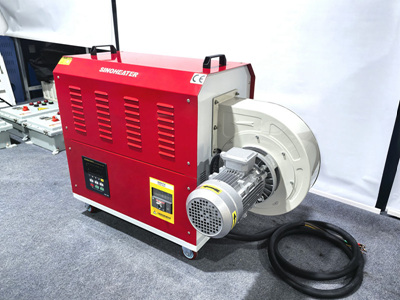
Techniques for Using Hot Air Blowers in Wood Surface Heating and Bending
Wood bending is a crucial process in woodworking, allowing the creation of curved shapes that add aesthetic appeal and functionality to furniture, musical instruments, and various wooden structures. When it comes to heating wood surfaces for bending, hot air blowers offer a practical and effective solution. Here are some essential techniques to master this process.
Understanding Wood Properties for Bending
Before diving into the heating process, it’s vital to understand the properties of different wood types. Not all woods are suitable for bending, and their behavior under heat varies significantly.
Selecting the Right Wood Species
Hardwoods like oak, beech, and maple generally have better bending properties compared to softwoods. Hardwoods possess a combination of strength and flexibility that makes them ideal for bending applications. For instance, oak is known for its durability and is commonly used in wooden building structures where bending is required. Beech, on the other hand, is widely used in furniture manufacturing due to its excellent bending characteristics and smooth surface finish. Maple is favored in musical instrument making for its decorative qualities and ability to hold complex curves.
Considering Wood Grain and Moisture Content
The grain direction of the wood plays a crucial role in bending. Straight-grained wood is easier to bend than wood with irregular grain patterns. Irregular grain can lead to cracking or breaking during the bending process. Additionally, the moisture content of the wood is a critical factor. Wood with a moisture content between 20% and 30% is generally considered optimal for bending. If the moisture content is too low, the wood may become brittle and crack when heated and bent. Conversely, if it’s too high, the wood may not hold its shape well after bending and is prone to warping during the drying process.
Preparing the Wood for Heating and Bending
Proper preparation of the wood before heating and bending is essential to ensure a successful outcome.
Cutting and Shaping the Wood
Before heating, the wood should be cut into the desired shape and size. This helps in reducing waste and ensures that the bending process is more efficient. For example, if you’re making a curved chair back, cut the wood into a rough shape that approximates the final curve. This allows for more precise bending and reduces the risk of over-bending or under-bending certain areas.
Creating a Bending Jig or Mold
A bending jig or mold is a crucial tool that helps in achieving consistent and accurate bends. The jig or mold should be designed according to the desired shape of the final product. It provides support and guidance to the wood during the bending process, preventing it from deforming in unwanted ways. For instance, if you’re bending a wooden strip into a circular shape, a cylindrical jig can be used to ensure that the wood conforms to the correct curvature.
Heating Techniques with Hot Air Blowers
The heating process is where the hot air blower comes into play. Proper heating is essential to soften the wood and make it pliable enough for bending.
Controlling the Temperature
Different wood species require different heating temperatures to achieve the right level of softness. As a general rule, softwoods can be heated at lower temperatures compared to hardwoods. Softwoods may require temperatures in the range of 50 – 70°C, while hardwoods may need temperatures between 80 – 100°C. It’s important to use a temperature – measuring device, such as an infrared thermometer, to accurately monitor the surface temperature of the wood during heating. This helps in preventing overheating, which can lead to wood discoloration, cracking, or even combustion.
Adjusting the Airflow
The airflow rate of the hot air blower also affects the heating process. A higher airflow rate can distribute the heat more quickly, but it may also cause the wood to dry out too fast, leading to uneven heating. A moderate airflow rate is often a good starting point. You can adjust the airflow based on the size and thickness of the wood. For thinner pieces of wood, a lower airflow rate may be sufficient, while thicker pieces may require a slightly higher airflow to ensure that the heat penetrates evenly throughout the wood.
Heating Patterns
When heating the wood, it’s important to use a consistent and even heating pattern. Move the hot air blower in a back – and – forth or circular motion over the surface of the wood. Avoid focusing the heat on one spot for too long, as this can cause localized overheating. For example, when heating a long wooden strip for bending, start from one end and gradually move towards the other end, ensuring that the entire length of the wood receives equal heat.
Bending and Post – Bending Processes
Once the wood is heated to the right temperature, it’s time to bend it into the desired shape and then set it in place.
Applying the Bending Force
After heating, quickly apply the bending force to the wood. This can be done manually or using mechanical devices such as clamps or bending machines. When applying the force, make sure to do it gradually and evenly to avoid creating stress points that could lead to cracking. For example, when bending a wooden chair leg, use clamps to gently guide the wood into the desired curve while it’s still warm and pliable.
Holding the Shape and Drying
Once the wood is bent into the desired shape, it needs to be held in place until it cools and dries. This can be done by leaving it in the bending jig or mold until it reaches room temperature. The drying process is crucial as it helps the wood to retain its new shape. Depending on the wood species and thickness, the drying time can vary from a few hours to several days. During this time, it’s important to keep the wood in a stable environment with controlled humidity to prevent warping or cracking.


