Installation Stability Inspection for Heat Blowers After Use in Environments with Overhead Bridges
Unique Challenges Posed by Overhead Bridge Structures
Overhead bridges, whether for pedestrians, vehicles, or railways, introduce dynamic loads and environmental factors that can compromise the stability of heat blowers installed nearby. These structures often generate vibrations from traffic, wind-induced sway, or thermal expansion, which propagate through the ground or air. For example, a heat blower installed beneath a busy vehicular bridge experienced frequent shutdowns due to loose mounting bolts, traced to vibrations from heavy trucks passing overhead. The bridge’s design, including its height, span, and material composition, also influences vibration transmission—steel bridges tend to amplify high-frequency vibrations, while concrete bridges dampen low-frequency oscillations.
Environmental conditions near bridges, such as exposure to moisture from road runoff or salt spray in coastal areas, accelerate corrosion of metal components, weakening structural integrity. A manufacturing plant near a tidal bridge reported rusted heater mounts within six months of installation, leading to unstable operation. Additionally, wind loads from bridge-induced air turbulence can create uneven pressure on heater enclosures, causing misalignment or fatigue in mounting systems. Understanding these challenges is critical for designing effective stability checks.
Critical Areas Requiring Stability Assessment
Mounting Foundations and Anchoring Systems
Heat blowers rely on stable foundations to resist dynamic forces from bridge-related vibrations and environmental loads. Inspect the foundation material (e.g., concrete, steel) for cracks, spalling, or settling, which may indicate inadequate load-bearing capacity. For instance, a heater beneath a railway bridge shifted 3 cm over two years due to soil compaction under the foundation, resolved by underpinning with micro-piles. Check anchor bolts for proper torque and signs of elongation or shear, which suggest excessive stress. A logistics center found that vibrations from bridge traffic had loosened anchor bolts on a heater, causing it to tilt 5 degrees, corrected by replacing bolts with high-strength alternatives and adding lock nuts.
Verify that mounting brackets are compatible with the heater’s weight and vibration profile. Steel brackets with gusseted reinforcements perform better in high-vibration environments than thin-gauge alternatives. In a food processing facility, upgrading to reinforced brackets reduced heater movement by 70% despite nearby bridge vibrations. Ensure brackets are aligned vertically and horizontally to distribute loads evenly, preventing stress concentrations that lead to premature failure.
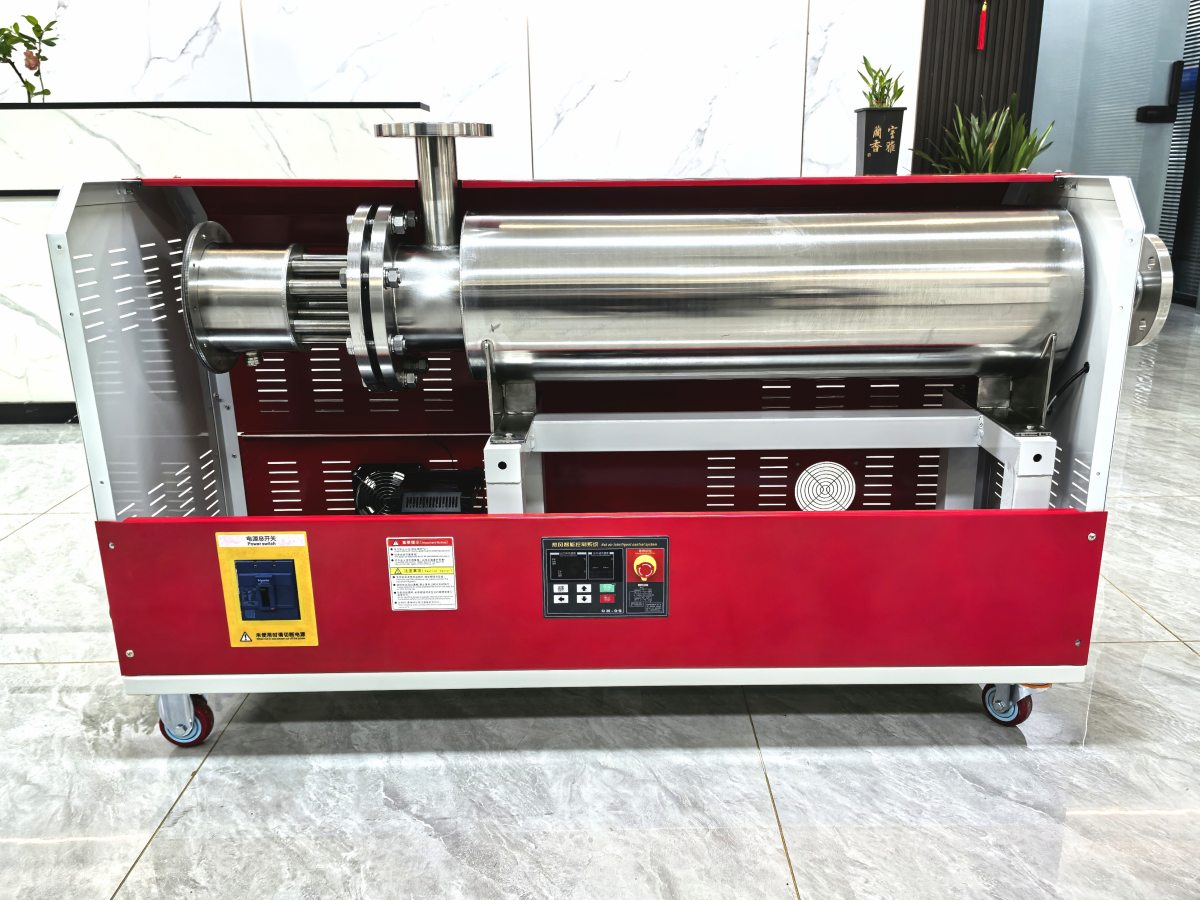
Structural Integrity of Heater Enclosures
The heater’s enclosure must withstand dynamic loads without deforming or compromising internal components. Inspect for dents, cracks, or warping, which may occur from wind-induced impacts or vibration-induced fatigue. A chemical plant near a pedestrian bridge observed enclosure deformation after repeated exposure to strong winds, leading to misaligned air vents and reduced efficiency. Use a straightedge or laser level to check for flatness, focusing on areas near mounting points where stress is highest.
Check seals and gaskets around doors, access panels, and cable entries for wear or gaps, which can allow moisture or debris ingress, accelerating corrosion. A power plant resolved intermittent heater faults by replacing degraded seals on a unit installed beneath a bridge, preventing water infiltration during rainstorms. Ensure ventilation grilles are free of obstructions, as reduced airflow can cause overheating and thermal stress on the enclosure.
Dynamic Load Resistance of Rotating Components
Motors, fans, and impellers in heat blowers generate their own vibrations, which can interact with bridge-induced oscillations, leading to resonance or amplified wear. Inspect rotating components for balance and alignment, as misalignment increases vibration levels and stress on bearings. A textile mill near a vehicular bridge reported a 40% increase in motor bearing failures due to combined vibrations from the heater and bridge traffic, resolved by dynamic balancing the rotor and adding vibration dampers.
Check bearings for signs of pitting, scoring, or excessive play, which indicate vibration-induced damage. Use a stethoscope or vibration analyzer to detect unusual noises or high-frequency vibrations, which may precede catastrophic failure. In a mining operation, a heater’s fan bearing failed catastrophically after months of exposure to bridge vibrations, causing downtime and costly repairs. Implement a preventive maintenance schedule to lubricate bearings regularly and replace them based on vibration analysis trends.
Step-by-Step Stability Inspection Procedures
Visual and Tactile Examination of Foundations and Mounts
Begin by visually inspecting the heater’s foundation for visible damage, such as cracks or uneven settling. Use a flashlight to examine hard-to-reach areas, like the underside of concrete pads or steel frames. For example, a warehouse near a bridge found that vibrations had caused hairline cracks in its concrete foundation, repaired by epoxy injection and carbon fiber reinforcement. Check anchor bolts for rust, elongation, or stripped threads, which may compromise holding strength. Use a torque wrench to verify bolts are tightened to manufacturer specifications, adding thread-locking compound if necessary.
Next, assess the condition of mounting brackets by checking for bends, corrosion, or loose welds. A manufacturing plant discovered that vibrations from a nearby bridge had cracked a welded joint on a heater’s bracket, requiring immediate welding repairs and reinforcement. Ensure brackets are level and plumb using a spirit level, as misalignment can transfer uneven loads to the foundation.
Vibration and Load Testing Under Simulated Conditions
Simulate bridge-induced vibrations using a shaker table or hydraulic actuator to test the heater’s stability under controlled conditions. Start with low-amplitude vibrations (e.g., 2–5 mm/s) and gradually increase to match observed bridge vibration levels, monitoring the heater’s response for excessive movement or component stress. For instance, a heater beneath a railway bridge was tested at 8 mm/s vibrations, revealing loose cable ties that were securing internal wiring, tightened to prevent future issues.
Apply dynamic loads to the foundation and mounts to mimic wind or traffic-induced forces. Use hydraulic jacks or weights to exert lateral and vertical pressure, checking for foundation movement or bracket deformation. A construction site near a bridge used this method to identify inadequate foundation depth, resolved by extending the pads to deeper, more stable soil layers. Record all test data to establish baseline stability metrics for future comparisons.
Component-Specific Checks for Long-Term Reliability
Inspect rotating components for balance and alignment by manually rotating motors and fans while observing for wobble or resistance. Use a dial indicator to measure runout on shafts, aiming for tolerances below 0.1 mm. A food processing facility reduced vibration-related failures by realigning a heater’s fan shaft to within 0.05 mm runout. Check belt drives for proper tension and alignment, as loose or misaligned belts can introduce additional vibrations.
Verify electrical connections for tightness and corrosion, as vibrations can loosen terminals or abrade insulation. Use a multimeter to check for voltage drops across connections, which may indicate high resistance from loose wires. A power plant resolved intermittent heater faults by retightening all electrical terminals and adding dielectric grease to prevent corrosion. Inspect cable routing to ensure wires are secured away from vibrating surfaces, using cable clamps or conduits to prevent chafing.
By following these procedures, heat blowers can maintain installation stability in environments with overhead bridges, ensuring safe and efficient operation in challenging industrial settings.