
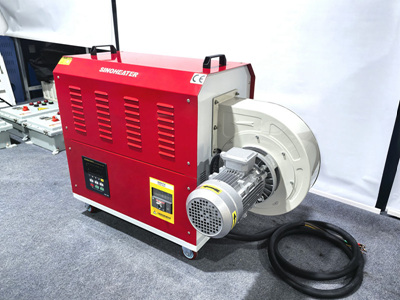
Waterproof and Rust-Proof Maintenance for Heat Blowers After Seawater Immersion
Immediate Actions After Seawater Exposure
Rinsing Off Seawater Residue
When a heat blower has been immersed in seawater, the first step is to rinse it thoroughly with fresh water. Seawater contains high concentrations of salt, which can quickly start corroding metal components if left unaddressed. For example, a fishing vessel’s onboard heat blower was accidentally submerged in seawater during a storm. The crew immediately used a high-pressure freshwater hose to rinse the entire unit, focusing on areas where seawater might have accumulated, such as vents, fan blades, and electrical connections. This initial rinse helps remove the bulk of the salt, reducing the immediate risk of corrosion.
Disconnecting Power and Draining Water
After rinsing, it’s crucial to disconnect the heat blower from its power source to prevent electrical shorts or damage. Seawater can seep into electrical components, creating conductive paths that may lead to malfunctions or even fires. Once disconnected, tilt the unit to drain any remaining water from internal cavities. A marine research team found that their heat blower, used for drying equipment after seawater immersion, had water trapped in its motor housing. By carefully tilting the unit and allowing it to drain for several hours, they prevented potential motor damage caused by water ingress.
Inspecting for Visible Damage
With the unit rinsed and drained, conduct a detailed visual inspection for any signs of damage. Look for cracks in the casing, bent fan blades, or loose electrical connections. Seawater immersion can weaken structural components, making them more susceptible to further damage during operation. A coastal construction crew noticed that their heat blower’s casing had developed small cracks after being submerged in seawater during a high-tide event. By identifying these cracks early, they were able to reinforce the casing before using the unit again, avoiding potential safety hazards.
Long-Term Rust Prevention Strategies
Applying Protective Coatings to Metal Parts
To prevent rust from developing on metal components, apply a protective coating specifically designed for marine environments. These coatings create a barrier that shields the metal from moisture and salt, slowing down the corrosion process. For instance, a shipyard applied a two-part epoxy coating to the metal frames of their heat blowers after noticing rust formation following seawater exposure. The coating provided long-lasting protection, extending the lifespan of the units by several years.
Before applying any coating, ensure that the metal surface is clean and free of rust or debris. Use a wire brush or sandpaper to remove existing rust, then wipe the surface with a clean cloth to remove dust. Apply the coating evenly, following the manufacturer’s instructions for thickness and drying time. A diving equipment maintenance facility found that by properly preparing the metal surfaces of their heat blowers before coating, they achieved better adhesion and more effective rust prevention.
Using Anti-Corrosion Sprays for Hard-to-Reach Areas
Some parts of a heat blower, such as internal electrical components or intricate fan assemblies, may be difficult to coat manually. In these cases, anti-corrosion sprays offer a convenient solution. These sprays form a thin, protective film that repels moisture and salt, preventing corrosion in tight spaces. A marine salvage team used a silicone-based anti-corrosion spray on the electrical connectors of their heat blowers after seawater immersion. The spray created a waterproof barrier, protecting the connectors from further damage and ensuring reliable operation.
When using anti-corrosion sprays, choose a product that is compatible with the materials in your heat blower. Avoid over-spraying, as excess residue can attract dust or interfere with moving parts. A coastal power plant technician applied anti-corrosion spray to the fan blades of their heat blowers every six months, maintaining optimal performance even in high-salt environments.
Installing Sacrificial Anodes for Electrochemical Protection
Sacrificial anodes are a cost-effective way to protect metal components from corrosion in seawater environments. These anodes, typically made of zinc or magnesium, corrode preferentially, sacrificing themselves to protect the main structure. A fishing boat operator installed zinc anodes on the metal casing of their heat blower after it showed signs of rust following seawater immersion. Over time, the anodes corroded significantly, while the casing remained intact, demonstrating the effectiveness of this protection method.
Regularly inspect and replace sacrificial anodes as they degrade. The rate of corrosion depends on factors such as seawater salinity and temperature, so monitor the anodes closely in harsh environments. A marine research vessel checked its heat blower’s anodes monthly and replaced them every three months to ensure continuous protection. Ensure that anodes are properly connected to the metal surface to ensure electrical continuity and optimal performance.
Maintaining Electrical Components for Waterproof Reliability
Cleaning and Drying Electrical Connections
Seawater can leave behind salt deposits on electrical connections, creating resistance and leading to overheating or short circuits. After seawater immersion, carefully clean all electrical connectors, terminals, and wiring harnesses using a dry cloth or brush. A coastal warehouse manager noticed that their heat blower’s electrical connections were covered in salt residue after a flood caused by high tides. By cleaning the connections thoroughly, they restored reliable operation and prevented potential electrical failures.
After cleaning, allow the electrical components to dry completely before reconnecting the power. Use a hairdryer on a low setting or place the unit in a well-ventilated area to speed up the drying process. Avoid using high heat, as it can damage sensitive electrical parts. A marine equipment repair shop dried the electrical connections of their heat blower overnight before testing it, ensuring that no moisture remained that could cause issues.
Inspecting Insulation for Water Damage
Seawater can erode the insulation on electrical cables over time, exposing the wires and increasing the risk of electrical shocks or short circuits. Inspect the insulation on all cables and wiring harnesses for cracks, wear, or discoloration. A fishing trawler’s heat blower developed insulation damage after repeated seawater exposure, leading to a short circuit that damaged the unit’s control panel. By regularly inspecting the insulation, such issues can be detected early and addressed before they cause serious problems.
If insulation damage is found, replace the affected cables or apply electrical tape as a temporary fix until proper replacement can be arranged. Choose insulation materials that are resistant to salt and moisture to ensure long-term reliability. A marine engineering firm used marine-grade insulation tape to repair damaged cables on their heat blowers, providing a durable solution that withstood harsh seawater conditions.
Testing Electrical Components for Functionality
After cleaning, drying, and inspecting the electrical components, perform a functionality test to ensure that the heat blower operates correctly. Connect the unit to a power source and check that all functions, such as fan speed and heating output, are working as expected. A coastal resort staff tested their heat blower after seawater immersion and found that the fan was running at a lower speed than normal. Further inspection revealed that salt deposits had affected the motor’s performance, which was resolved by cleaning and lubricating the motor.
If any electrical issues are detected during testing, troubleshoot the problem systematically. Check for loose connections, damaged components, or signs of corrosion. A marine electronics technician used a multimeter to test the electrical continuity of their heat blower’s wiring after seawater exposure, identifying a faulty connector that was causing intermittent operation. By addressing the issue promptly, they restored the unit’s reliability.
By following these immediate actions, long-term rust prevention strategies, and electrical component maintenance tips, heat blowers can recover from seawater immersion and continue to operate reliably in marine environments.


