
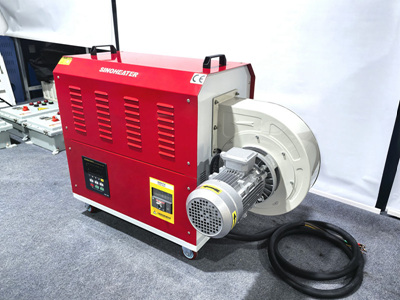
Addressing Fading on Hot Air Blower Housings After Prolonged Sun Exposure
Hot air blowers used in outdoor or well-lit indoor environments often face challenges related to prolonged sunlight exposure, which can lead to premature fading of their exterior surfaces. This issue not only affects the device’s appearance but may also indicate underlying material degradation. Below are practical solutions for restoring and protecting the housing from further discoloration.
Understanding the Causes of Fading
Sunlight contains ultraviolet (UV) rays, which interact with the pigments and polymers in the blower’s housing material over time. This interaction breaks down chemical bonds, causing colors to fade and surfaces to become brittle. Factors such as the intensity of sunlight, duration of exposure, and the quality of the original paint or coating play significant roles in determining how quickly fading occurs. For instance, environments with high altitude or reflective surfaces nearby may accelerate the process due to increased UV intensity.
The type of material used in the housing also influences fading resistance. Some plastics and metals are treated with UV stabilizers during manufacturing, but these additives can deplete over time. Additionally, environmental pollutants like dust, moisture, and chemicals may exacerbate fading by weakening the surface layer, making it more susceptible to UV damage. Recognizing these factors helps in selecting appropriate restoration methods and preventive measures.
Restoring Faded Surfaces with Gentle Cleaning and Polishing
Before attempting any restoration, assess the extent of the fading. If the surface appears dull but intact, a thorough cleaning followed by polishing may revive its original luster. Start by rinsing the housing with lukewarm water to remove loose dirt and debris. Avoid using high-pressure washers, as they can etch the surface or force water into seams, leading to internal damage.
Next, prepare a mild cleaning solution by mixing a few drops of dish soap with water. Dip a soft, non-abrasive cloth into the solution and gently scrub the faded areas in circular motions. Pay attention to crevices and edges where grime tends to accumulate. For stubborn stains, use a plastic-safe cleaning paste or a mixture of baking soda and water, applying it sparingly to avoid scratching the surface.
After cleaning, dry the housing completely with a clean microfiber towel to prevent water spots. Once dry, apply a high-quality automotive or plastic polish designed for UV protection. Using a clean cloth, work the polish into the surface in thin, even layers, allowing it to dry according to the manufacturer’s instructions. Buff the area with a separate cloth to achieve a smooth, glossy finish. This step not only enhances appearance but also adds a protective layer that shields against future UV damage.
Protecting the Housing from Future Fading
Preventing further discoloration requires proactive measures that reduce UV exposure and reinforce the surface’s resistance to environmental stressors. One effective approach is to relocate the hot air blower to a shaded area whenever possible, such as under a canopy or near natural barriers like trees. If relocation isn’t feasible, consider installing a UV-resistant cover or shield specifically designed for the device’s dimensions. These covers block direct sunlight while allowing adequate airflow to prevent overheating.
Another preventive strategy involves applying a UV-resistant coating or sealant to the housing. These products form a transparent barrier that reflects or absorbs UV rays, slowing down the fading process. Choose a coating compatible with the housing material—whether plastic, metal, or composite—and follow the application guidelines carefully. Some coatings require multiple layers or curing times, so plan the process during periods of low humidity and moderate temperatures for optimal results.
Regular maintenance also plays a crucial role in long-term protection. Schedule monthly inspections to check for signs of fading, cracks, or peeling. Clean the housing regularly to remove dust and pollutants that may accelerate degradation. If the device is used in coastal or industrial areas with high salt or chemical exposure, rinse it more frequently to neutralize corrosive substances. By combining these practices, users can significantly extend the lifespan of their hot air blower’s housing while maintaining its aesthetic appeal.


