
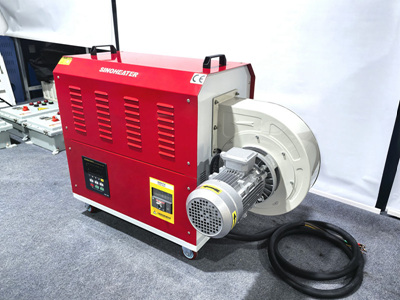
How Variable Frequency Hot Air Blowers Cut Energy Costs Through Smart Speed Control
For industries relying on hot air blowers for heating, drying, or climate control, reducing energy consumption is a top priority. Traditional fixed-speed models operate at full power whenever running, leading to wasted energy during periods of lower demand. Variable frequency hot air blowers address this issue by adjusting motor speed dynamically, matching heat output to actual needs. Below, we explore how this technology works, its energy-saving benefits, and practical considerations for implementation.
The Mechanics of Variable Frequency Control
At the heart of variable frequency hot air blowers lies a system that modulates electrical power to the motor, enabling precise speed adjustments. This approach differs fundamentally from basic on/off or multi-speed designs.
Frequency Conversion Technology
Variable frequency drives (VFDs) convert incoming AC power into DC, then back into AC at a variable frequency and voltage. By altering the frequency supplied to the motor, the VFD controls its rotational speed. For example, reducing the frequency from 60 Hz to 30 Hz cuts the motor’s RPM in half, lowering both airflow and heating output proportionally. This seamless adjustment eliminates the need for abrupt starts and stops, reducing mechanical stress and energy spikes.
Motor Efficiency at Partial Loads
Fixed-speed motors operate most efficiently at full load but waste energy when running at lower capacities. In contrast, variable frequency motors maintain high efficiency across a wide speed range. When demand drops, the motor slows down, consuming less power while still delivering the necessary heat. This is particularly valuable in applications with fluctuating heating needs, such as greenhouse temperature regulation or industrial drying cycles.
Soft Start and Reduced Inrush Current
Traditional motors draw a surge of current during startup, which can strain electrical systems and increase energy costs. Variable frequency drives enable “soft starts,” gradually ramping up motor speed to avoid inrush current. This not only saves energy but also extends the lifespan of the motor and associated components by minimizing thermal and mechanical stress.
Energy-Saving Benefits Across Industries
The ability to adjust motor speed translates into measurable energy savings in diverse settings. Here are three key areas where variable frequency hot air blowers excel.
Industrial Process Optimization
In manufacturing, heating requirements often vary throughout the day. For instance, a paint-drying oven might need full heat during peak production but only partial heat during slower periods. A variable frequency blower can scale back airflow and temperature automatically, reducing energy use by up to 30% compared to fixed-speed alternatives. This flexibility also prevents overheating, which can damage products or require costly rework.
Greenhouse Climate Control
Greenhouses demand precise temperature and humidity management to optimize plant growth. Fixed-speed blowers cycle on and off to maintain setpoints, causing temperature swings that stress plants and waste energy. Variable frequency models adjust airflow continuously, maintaining stable conditions with minimal energy input. During sunny days, when less supplemental heat is needed, the blower slows down, cutting power consumption while keeping the environment ideal for crops.
Commercial Building Heating
Large commercial spaces like warehouses or shopping malls often have uneven heating demands. Zones near entrances may require more heat in winter, while interior areas stay warmer naturally. Variable frequency hot air blowers can integrate with building management systems to adjust airflow based on occupancy or time of day. For example, reducing speed during off-hours or in unoccupied zones lowers energy use without sacrificing comfort.
Practical Considerations for Maximizing Savings
To fully leverage the energy-saving potential of variable frequency hot air blowers, users should address several operational factors.
Proper Sizing and Load Matching
Oversized blowers consume excess energy even at reduced speeds. Selecting a unit sized for the average load—rather than peak demand—ensures optimal efficiency. For example, a blower designed for 80% of maximum heating needs will operate more efficiently at partial loads than one sized for 100% capacity.
Regular Maintenance and Calibration
Dirt buildup on fans or heating elements can disrupt airflow and temperature control, forcing the system to work harder. Routine cleaning and filter replacement maintain efficiency. Additionally, calibrating sensors and VFD settings periodically ensures accurate speed control and prevents energy waste from misaligned setpoints.
Integration with Smart Controls
Pairing variable frequency blowers with programmable thermostats or IoT-enabled systems enhances savings. These tools can automate speed adjustments based on schedules, occupancy, or external weather data. For instance, a blower might slow down during mild weather or speed up ahead of a cold front, optimizing energy use without manual intervention.
Advanced Features for Further Efficiency Gains
Modern variable frequency hot air blowers offer optional features to refine energy management and adapt to specific needs.
Regenerative Braking
In applications requiring frequent speed changes, regenerative braking captures kinetic energy from the decelerating motor and feeds it back into the electrical system. This reduces overall power consumption, particularly in processes with rapid start-stop cycles like material handling or packaging lines.
Multi-Motor Coordination
For large-scale operations with multiple blowers, coordinating motor speeds across units prevents energy waste from overlapping airflow or heating. Centralized control systems can synchronize blowers to match demand precisely, avoiding overprovisioning in any single zone.
Energy Monitoring and Reporting
Built-in energy meters or integration with building analytics platforms provide real-time data on power usage. Users can track savings, identify inefficiencies, and adjust settings to optimize performance. For example, spotting a sudden spike in energy use might reveal a clogged filter or malfunctioning sensor needing attention.
Variable frequency hot air blowers represent a smart investment for any industry seeking to reduce heating-related energy costs. By aligning motor speed with actual demand, these systems eliminate the inefficiencies of fixed-speed operation while improving process control and equipment longevity. Whether optimizing a manufacturing line, nurturing crops, or heating a commercial space, the ability to adjust power output dynamically delivers lasting savings and a smaller carbon footprint.


