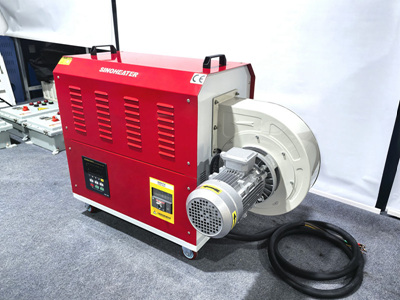
Dual-Zone Hot Air Blowers: Precision Heating Through Independent Temperature Control
For industries requiring simultaneous heating of multiple areas with distinct temperature needs, dual-zone hot air blowers offer a tailored solution. Unlike single-zone systems that apply uniform heat across a space, these advanced units feature independent control mechanisms for each zone, ensuring optimal conditions without energy waste. Below, we explore how dual-zone technology works, its applications across sectors, and key considerations for effective implementation.
How Dual-Zone Control Works
At the core of dual-zone hot air blowers lies a system that isolates heating elements, airflow paths, and temperature sensors for each zone. This design allows precise adjustments without interference between areas.
Separate Heating Chambers and Airflow Management
Dual-zone blowers divide the heating unit into two distinct chambers, each equipped with its own heating element and fan. These chambers operate independently, enabling users to set different temperatures for each zone. For example, one chamber might maintain 120°F for drying delicate materials, while the other runs at 180°F for curing industrial coatings. Adjustable dampers or variable-speed fans further refine airflow distribution, ensuring heat reaches each zone evenly.
Independent Temperature Sensors and Controllers
Each zone relies on dedicated thermistors or RTDs to monitor air temperature in real time. These sensors feed data to separate PID controllers, which adjust heating power and fan speed dynamically. If Zone A requires a 10°F increase, its controller activates the corresponding heating element without affecting Zone B. This isolation prevents overheating in one area due to demands in another, a common issue in single-zone systems.
Customizable Control Interfaces
Operators can manage dual-zone blowers through intuitive interfaces like digital touchscreens or remote control panels. These tools allow simultaneous or independent setting of temperatures, fan speeds, and operating schedules for each zone. Some systems even support preset profiles for common tasks, such as switching between “drying” and “curing” modes with predefined parameters for each zone.
Applications Benefiting from Dual-Zone Heating
The ability to maintain different temperatures in adjacent areas makes dual-zone hot air blowers ideal for processes with varying thermal requirements. Here are three key sectors leveraging this technology.
Industrial Manufacturing
In facilities producing multiple products or components, different stages of production often demand distinct heating conditions. For instance, a plastic molding operation might need 150°F to soften raw materials in Zone A while requiring 220°F to shape them in Zone B. Dual-zone blowers eliminate the need for separate heating systems, reducing equipment costs and floor space usage. They also prevent cross-contamination of temperature-sensitive materials by keeping zones fully isolated.
Automotive Paint and Coating
Automotive painting involves precise control over drying and curing temperatures to avoid defects like runs or orange peel. Dual-zone blowers can direct lower-temperature air (e.g., 100°F) to freshly painted surfaces in Zone A to prevent solvent trapping, while applying higher heat (e.g., 160°F) in Zone B to accelerate curing. This staged approach improves finish quality and reduces rework rates, saving time and material costs.
Food Processing and Packaging
Food safety regulations often require different heating zones for cooking, drying, and sterilizing products. For example, a snack food manufacturer might use Zone A at 180°F to bake chips and Zone B at 250°F to sterilize packaging materials. Dual-zone blowers ensure each step meets regulatory standards without overheating or underprocessing any batch. The independent controls also allow quick adjustments for recipe changes or product line switches.
Key Considerations for Effective Dual-Zone Operation
To maximize the benefits of dual-zone hot air blowers, users should address several operational and design factors.
Proper Zoning Layout
The physical arrangement of zones impacts heating efficiency and uniformity. Zones should align with process requirements—for example, placing high-temperature zones near heat sources or separating zones with conflicting temperature needs by physical barriers. In open spaces, using directional nozzles or baffles can guide airflow to prevent mixing between zones.
Calibration and Sensor Accuracy
Even minor discrepancies between zone temperatures can disrupt processes. Regular calibration of sensors and controllers ensures each zone maintains its setpoint within tight tolerances (e.g., ±2°F). Some systems offer auto-calibration features that adjust sensors based on ambient conditions or reference temperatures, reducing maintenance demands.
Airflow Balance
Uneven airflow between zones can create hot or cold spots, undermining independent control. Variable-speed fans or adjustable dampers help balance airflow based on zone size or heating demand. For instance, a larger zone might require a higher fan speed to distribute heat evenly, while a smaller zone operates at lower speed to avoid overpressure.
Advanced Features Enhancing Dual-Zone Performance
Modern dual-zone hot air blowers incorporate optional technologies to further refine control and adapt to complex needs.
Real-Time Monitoring and Alerts
IoT-enabled systems track temperature trends in each zone via cloud-based dashboards or mobile apps. Alerts notify operators if a zone drifts outside its setpoint, enabling quick corrections before product quality is affected. Some systems also log data for compliance reporting or process optimization analysis.
Energy Optimization Modes
To reduce power consumption during low-demand periods, dual-zone blowers can activate “eco modes” that lower heating output or cycle zones on and off strategically. For example, a system might run Zone A at full power during peak production and switch Zone B to standby mode, resuming full heating only when needed.
Fail-Safe Mechanisms
Safety is critical in high-temperature applications. Dual-zone blowers often include features like over-temperature shutdown, which cuts power to a zone if its sensor detects unsafe heat levels. Redundant sensors or manual override controls provide additional layers of protection, ensuring operations can continue safely even if one zone malfunctions.
Dual-zone hot air blowers empower industries to tackle diverse heating challenges with precision and efficiency. By isolating control over temperature, airflow, and power for each zone, these systems eliminate the compromises of single-zone designs, delivering optimal conditions for every process step. Whether improving product quality in manufacturing, enhancing finish durability in automotive applications, or ensuring food safety in processing, independent zone control unlocks new levels of performance and cost savings.