Enhancing Indoor Airflow: The Role of Heat Blowers in Promoting Natural Convection
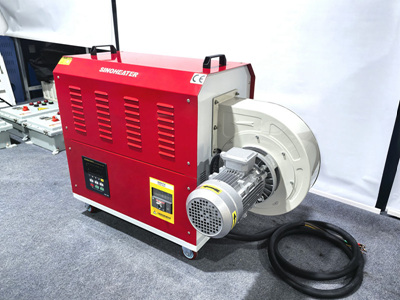
Maintaining proper air circulation indoors is essential for comfort, health, and energy efficiency. Stagnant air can lead to uneven temperatures, poor indoor air quality, and increased humidity, creating an uncomfortable and potentially unhealthy environment. One effective way to improve airflow is by using a heat blower—a device that combines heat generation with powerful air movement to stimulate natural convection. Let’s explore how heat blowers enhance indoor air circulation, their benefits, and practical ways to use them for optimal results.
Understanding Convection and Its Importance in Indoor Environments
The Science Behind Natural Convection
Convection is the process by which heat is transferred through a fluid (in this case, air) due to differences in temperature and density. Warm air, being less dense, rises, while cooler air sinks, creating a continuous cycle of air movement. This natural phenomenon is the foundation of indoor air circulation, helping to distribute heat evenly, reduce humidity, and prevent the buildup of stale air.
In many spaces, however, natural convection alone may not be sufficient to maintain consistent airflow. Factors like room layout, furniture placement, and insulation can disrupt the natural movement of air, leading to pockets of stagnant air. This is where heat blowers come into play—by introducing targeted warmth and forced air movement, they can enhance natural convection and ensure that air circulates effectively throughout the room.
Why Enhanced Air Circulation Matters
Proper air circulation offers numerous benefits for indoor environments. First, it helps regulate temperature by preventing hot or cold spots, ensuring that every area of the room remains comfortable. This is particularly important in large spaces or rooms with high ceilings, where heat can accumulate near the ceiling while the floor remains chilly.
Second, improved air circulation reduces humidity levels by promoting evaporation. Excess moisture in the air can lead to condensation on windows, walls, and other surfaces, creating an ideal environment for mold and mildew growth. By keeping the air moving, heat blowers help prevent moisture buildup, protecting both the structure of the building and the health of its occupants.
Finally, enhanced airflow contributes to better indoor air quality by preventing the accumulation of pollutants, allergens, and odors. Stagnant air allows these particles to settle and linger, but continuous circulation helps dilute and remove them, creating a fresher, healthier indoor environment.
Practical Ways to Use Heat Blowers for Improved Air Circulation
Optimizing Placement for Maximum Effectiveness
The placement of a heat blower plays a crucial role in its ability to promote air circulation. To maximize its impact, position the device in a central location where it can distribute warm air evenly throughout the room. Avoid placing it directly against walls or in corners, as this can restrict airflow and create dead zones.
For larger spaces, consider using multiple heat blowers strategically placed to create a cross-ventilation effect. For example, placing one heat blower near a window or doorway can draw in cooler outdoor air, while another positioned on the opposite side of the room can push warm air outward, creating a continuous flow of air. This setup is particularly effective in open-plan areas like living rooms, offices, or workshops.
Adjusting Settings to Suit Different Needs
Most heat blowers offer adjustable settings for temperature and airflow speed, allowing you to customize their performance based on the specific requirements of your space. For instance, in a small room or during milder weather, a lower temperature setting and moderate airflow may be sufficient to maintain comfortable air circulation without overheating the area.
In contrast, larger spaces or colder climates may require higher temperature settings and stronger airflow to achieve the desired results. Experiment with different combinations of heat and airflow to find the optimal balance for your environment. Keep in mind that excessive heat or airflow can be uncomfortable or even disruptive, so it’s important to strike a balance between effectiveness and comfort.
Combining Heat Blowers with Other Ventilation Strategies
While heat blowers are effective on their own, combining them with other ventilation strategies can further enhance indoor air circulation. For example, opening windows or doors periodically can introduce fresh outdoor air and help flush out stale indoor air, especially when paired with the forced air movement of a heat blower.
Ceiling fans or portable fans can also complement heat blowers by promoting additional air movement at different heights. Ceiling fans, in particular, are useful for circulating air in large rooms or spaces with high ceilings, where warm air tends to accumulate. By running a ceiling fan in conjunction with a heat blower, you can create a more comprehensive airflow pattern that ensures even temperature distribution throughout the room.
Addressing Common Challenges and Misconceptions About Heat Blowers and Air Circulation
Debunking the Myth of “Dry Heat” vs. “Humid Heat”
One common misconception about heat blowers is that they create “dry heat” that can be uncomfortable or damaging to indoor environments. While it’s true that heat blowers generate warm air, their impact on humidity depends largely on the existing conditions of the room and how they are used.
In fact, by promoting air circulation, heat blowers can help reduce humidity levels in damp or poorly ventilated spaces. The forced air movement encourages evaporation, preventing moisture from accumulating on surfaces or in the air. However, in already dry environments, excessive use of a heat blower without proper humidity control could potentially exacerbate dryness. To mitigate this, consider using a humidifier in conjunction with your heat blower during dry seasons or in arid climates.
Ensuring Energy Efficiency While Promoting Air Circulation
Another concern some people have about using heat blowers is their energy consumption. While it’s true that heat blowers require electricity to operate, their energy efficiency can be optimized through proper use and maintenance.
First, choose a heat blower with adjustable settings so you can tailor its performance to your needs, avoiding unnecessary energy use. Second, use the device only when needed and turn it off when the desired air circulation or temperature is achieved. Third, ensure that the heat blower is properly maintained, with clean filters and well-lubricated moving parts, to maximize its efficiency and lifespan.
Finally, consider combining heat blowers with other energy-efficient strategies, such as insulating your home, sealing drafts, and using programmable thermostats. These measures can help reduce the overall heating load, allowing your heat blower to operate more efficiently and effectively.
Avoiding Over-Reliance on Heat Blowers for Ventilation
While heat blowers are valuable tools for promoting air circulation, they should not be relied upon as the sole source of ventilation in a space. Proper ventilation requires a combination of strategies, including natural ventilation (opening windows and doors), mechanical ventilation (exhaust fans, HVAC systems), and supplemental air movement devices like heat blowers and fans.
Over-reliance on a heat blower for ventilation can lead to imbalanced airflow, increased energy consumption, and potential discomfort if the device is not used correctly. Instead, view heat blowers as one component of a comprehensive ventilation plan that addresses the unique needs of your indoor environment.
By understanding the principles of convection, optimizing the placement and settings of your heat blower, and combining it with other ventilation strategies, you can create a comfortable, healthy, and energy-efficient indoor environment that promotes natural air circulation year-round.