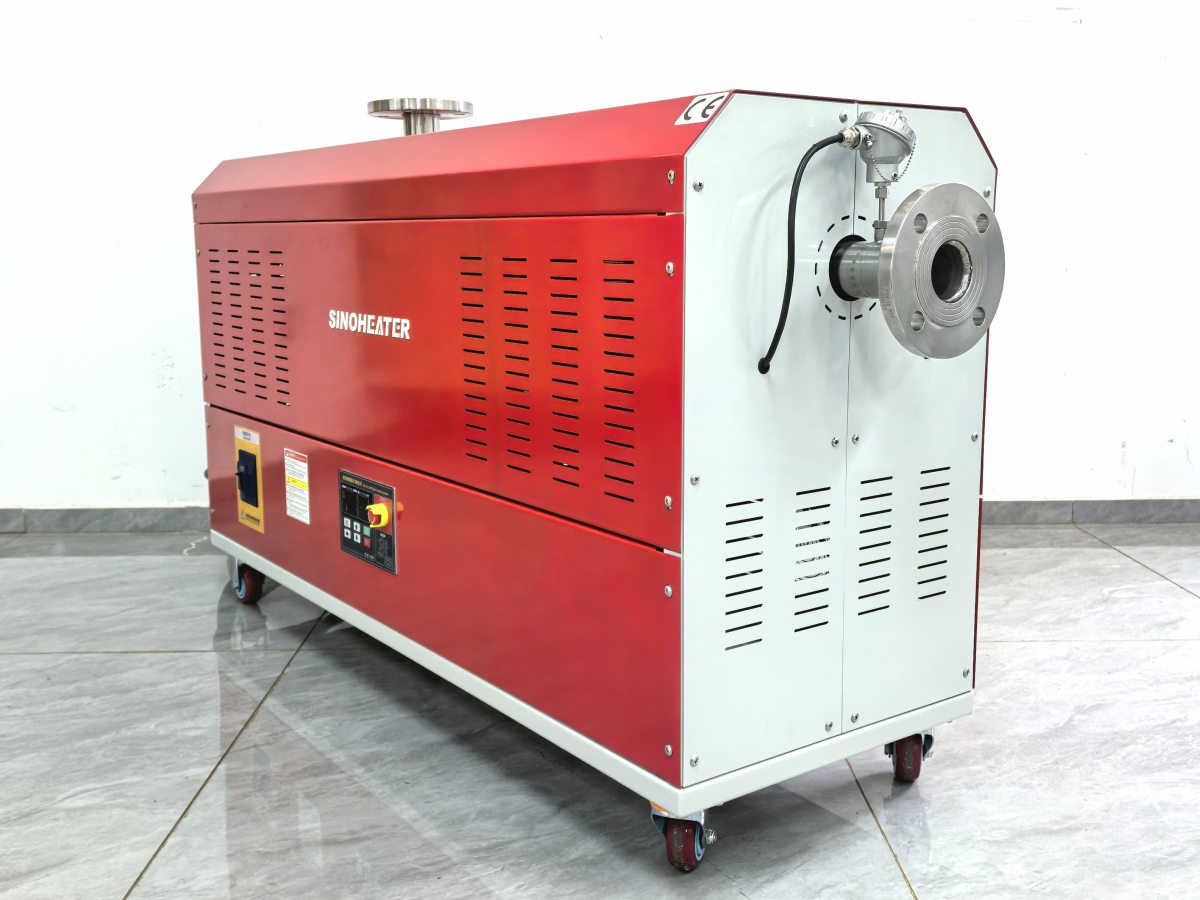
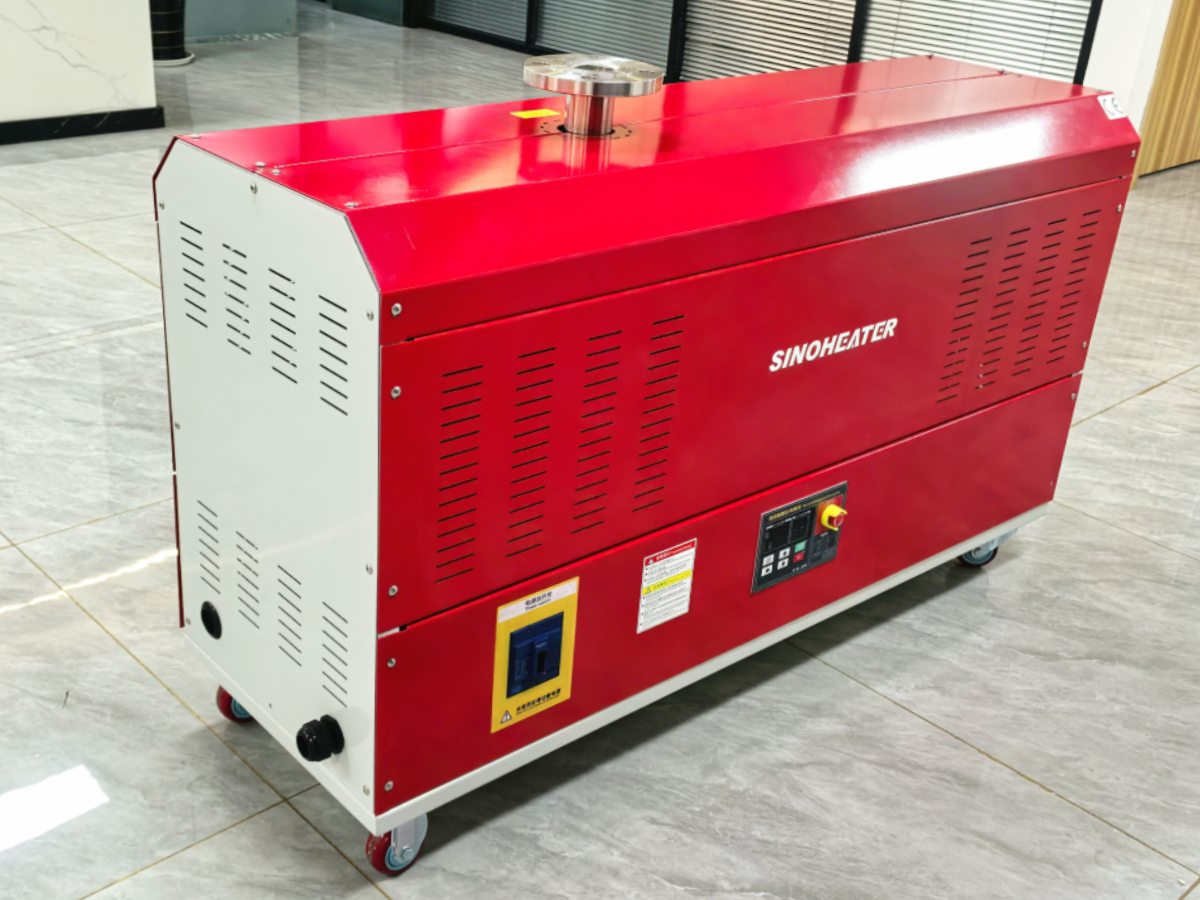
Temporary Heating Solutions for Construction Sites: Ensuring Safe and Efficient Work in Cold Conditions
Maintaining a workable environment on construction sites during cold weather is essential for worker safety, material integrity, and project timelines. Thermal air blowers provide a flexible and effective way to deliver temporary heating, keeping crews productive even when temperatures drop. This guide explores how to implement these systems safely and efficiently for winter construction projects.
Understanding Heating Needs on Construction Sites
Critical Temperature Thresholds for Different Tasks
Most construction activities require ambient temperatures above 40°F (4°C) to prevent freezing of concrete, adhesives, or joint compounds. For worker comfort, temperatures should ideally stay between 50–60°F (10–15°C) during active work hours. Tasks like masonry, painting, or drywall installation are particularly sensitive to cold, as materials may crack, cure improperly, or fail to adhere if exposed to freezing conditions.
The Risks of Inadequate Heating
Cold environments slow down chemical reactions in building materials, leading to extended curing times or weakened structures. Workers face higher risks of frostbite, hypothermia, or slips on icy surfaces when temperatures drop. Additionally, cold-induced stiffness reduces dexterity, increasing the likelihood of accidents or errors in precision tasks. Thermal blowers mitigate these risks by maintaining workable conditions, even in unheated structures or outdoor areas.
Ventilation and Air Quality Considerations
While heating is critical, proper ventilation remains essential to prevent carbon monoxide buildup from fuel-powered heaters or dust accumulation from construction activities. Position thermal blowers near fresh air intakes or use ducted systems to circulate heated air without compromising airflow. Regularly monitor air quality, especially in enclosed spaces, to ensure oxygen levels remain safe and contaminants are diluted.
Selecting Thermal Blowers for Construction Applications
Sizing Heating Systems for Site Dimensions
Calculate heating requirements based on the area’s square footage, ceiling height, and insulation (or lack thereof). Open-air sites or partially enclosed structures need higher-capacity units to counteract wind chill and heat loss. For indoor spaces, consider the volume of air to be warmed and the desired temperature rise—for example, raising a 10,000-square-foot warehouse from 30°F to 50°F requires significantly more output than maintaining 60°F in a smaller office trailer.
Fuel Type and Portability Options
Electric thermal blowers offer clean, quiet operation and are ideal for short-term projects or indoor use where ventilation is limited. Diesel or propane models provide higher heat output for larger sites or remote locations without grid access. Portable units with wheels or forklift slots allow easy repositioning as work zones shift, while stationary models work best for long-term heating of fixed areas like concrete curing chambers.
Safety Features for Hazardous Environments
Construction sites pose unique risks, including flammable materials, limited egress, and uneven terrain. Choose blowers with tip-over switches, overheat protection, and spark-resistant housings to minimize fire hazards. Ensure units comply with OSHA or local safety regulations for temporary heating equipment, and train workers on proper operation and emergency shutdown procedures.
Installation and Operational Best Practices
Strategic Placement for Maximum Efficiency
Position thermal blowers to direct heat toward worker-heavy areas or material storage zones. For outdoor sites, place units upwind of work zones to counteract wind chill. In enclosed spaces, avoid blocking exits or pathways with equipment, and use deflectors to distribute heat evenly without creating drafts. Elevate units on stable platforms to prevent water damage from melting snow or rain.
Integrating with Site Layout and Workflows
Coordinate heating setup with phase-specific needs. For example, prioritize warmth near concrete pours during initial curing, then shift focus to drywall areas as crews move inward. Use programmable timers or remote controls to activate heaters before shifts begin, ensuring workspaces are pre-warmed. During breaks or non-work hours, lower settings to conserve fuel while maintaining above-freezing temperatures.
Regular Maintenance for Reliable Performance
Construction environments expose heaters to dust, debris, and moisture, which can clog filters or damage components. Schedule daily visual checks to clear blockages and weekly deep cleaning of intake vents. Inspect fuel lines, electrical connections, and safety sensors monthly to prevent leaks or malfunctions. Store units in dry, covered areas when not in use to prolong their lifespan.
Adapting to Weather and Project Changes
Adjusting for Extreme Cold or Wind
Sudden temperature drops or high winds increase heating demands. Have backup units or fuel reserves on hand to maintain operations during severe weather. Use windbreaks like tarps or temporary walls to shield work zones and reduce heat loss. In blizzard conditions, prioritize heating pathways and emergency exits to ensure worker safety.
Managing Transitions Between Indoor and Outdoor Work
As construction progresses from foundation to enclosed framing, adjust heating strategies accordingly. Early-stage outdoor work may require multiple portable units, while later phases can transition to centralized systems ducted through walls or floors. Seal gaps around doors or windows to retain heat indoors, and use thermal curtains or plastic sheeting to partition unheated areas.
Long-Term Strategies for Seasonal Projects
For multi-month winter projects, consider investing in durable, weatherproofed heaters designed for extended use. Explore renewable energy options like solar-assisted heating to reduce fuel costs over time. Partner with local suppliers to secure reliable fuel deliveries, and train a dedicated team member to oversee heating operations and troubleshoot issues promptly.
By prioritizing safety, efficiency, and adaptability, thermal air blowers enable construction crews to maintain productivity through cold seasons. Proper sizing, strategic placement, and regular maintenance ensure these systems deliver reliable warmth, protecting both workers and project timelines from winter’s challenges.