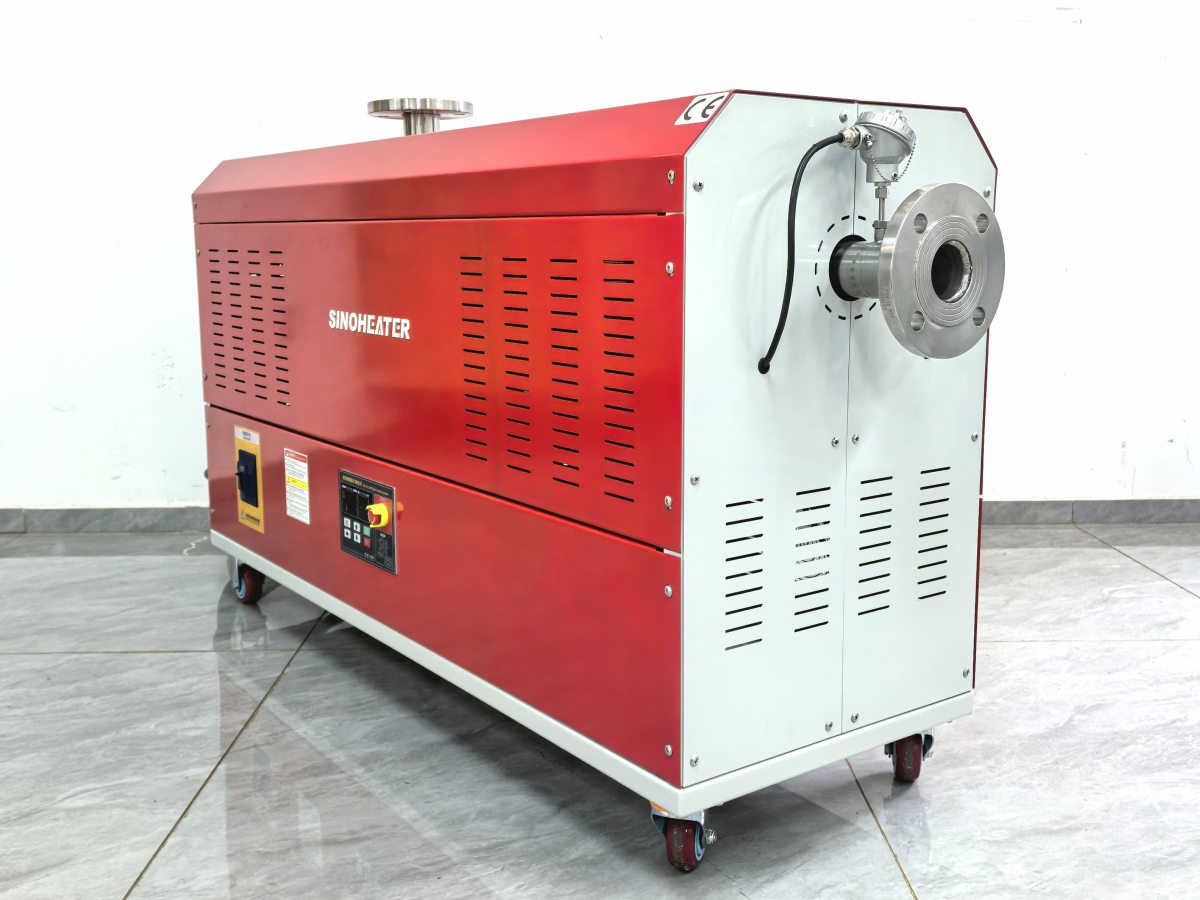
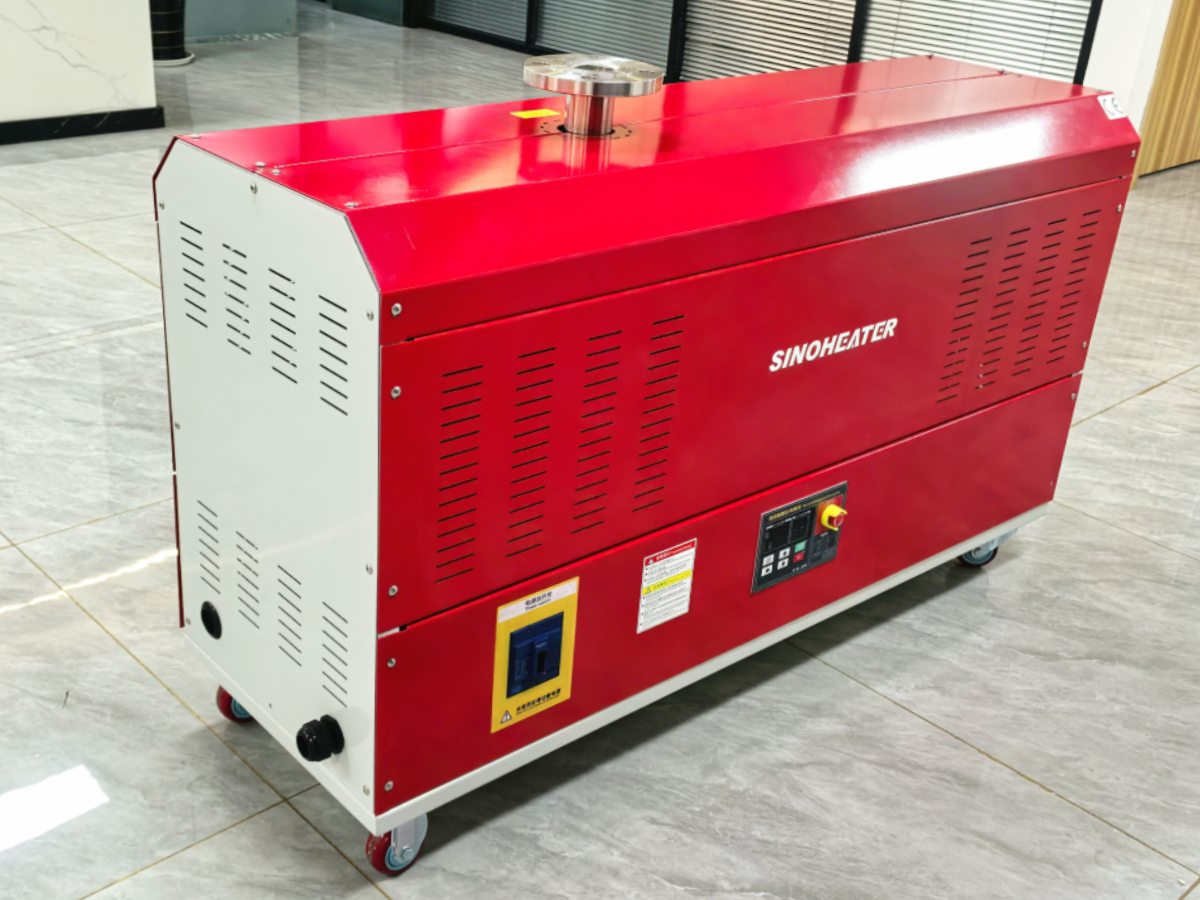
Heating Solutions for Auto Repair Shops: How Hot Air Blowers Enhance Vehicle Maintenance in Cold Conditions
Maintaining a comfortable and efficient workspace during winter months is critical for auto repair shops. Cold temperatures can slow down repair processes, affect worker productivity, and even damage sensitive vehicle components. One effective solution is integrating hot air blowers into the workshop environment. These devices provide targeted warmth, ensuring mechanics can work efficiently while protecting vehicles from cold-related issues.
Why Temperature Control Matters in Auto Repair
Cold weather impacts both mechanics and vehicles. For workers, prolonged exposure to low temperatures can lead to discomfort, reduced dexterity, and safety risks. For vehicles, cold environments can cause fluids like engine oil and transmission fluid to thicken, making repairs more challenging. Additionally, moisture from melting snow or ice can lead to rust or electrical issues if not managed properly.
Hot air blowers address these challenges by creating a controlled heating environment. Unlike general-purpose space heaters, they deliver focused warmth to specific areas, such as under-vehicle inspection pits or paint-drying zones. This targeted approach reduces energy waste and ensures optimal working conditions without overheating the entire shop.
Key Benefits of Hot Air Blowers for Vehicle Maintenance
1. Faster Repair Processes
When fluids are cold, tasks like oil changes or transmission work become time-consuming. Hot air blowers warm engine components and fluids, reducing viscosity and allowing for smoother operations. This efficiency translates to shorter turnaround times and increased customer satisfaction.
2. Improved Worker Comfort and Safety
Mechanics often work in awkward positions for extended periods. Cold temperatures exacerbate muscle stiffness and fatigue, increasing the risk of accidents. By maintaining a consistent temperature, hot air blowers help workers stay agile and focused, reducing the likelihood of errors or injuries.
3. Protection Against Cold-Related Vehicle Damage
Certain vehicle parts, such as batteries and rubber components, are vulnerable to cold. A hot air blower can prevent battery drain by keeping the engine bay warm and reduce the risk of cracked hoses or belts caused by thermal contraction. This proactive approach minimizes post-repair issues and extends vehicle lifespan.
Choosing the Right Hot Air Blower for Your Shop
Power and Airflow Considerations
The size of your workshop and the number of workstations determine the required power output. Larger spaces with high ceilings need blowers with higher CFM (cubic feet per minute) ratings to distribute heat effectively. For smaller bays, a compact unit with adjustable settings may suffice.
Safety Features
Look for models with overheat protection, tip-over switches, and cool-touch exteriors. These features prevent accidents and ensure compliance with workplace safety regulations. Additionally, choose blowers with durable, flame-resistant casings to reduce fire risks in environments with flammable materials.
Portability and Flexibility
Mobile hot air blowers allow you to direct heat where it’s needed most, whether under a vehicle or near a painting station. Opt for lightweight models with sturdy handles and wheels for easy repositioning. Some units also offer adjustable angles or oscillating functions to cover larger areas.
Installation and Maintenance Tips
Proper Placement for Maximum Efficiency
Position blowers near workstations but avoid directing heat at sensitive equipment or flammable materials. For under-vehicle heating, use adjustable stands to aim warm air upward. Ensure adequate ventilation to prevent moisture buildup, which can lead to mold or corrosion.
Regular Cleaning and Inspection
Dust and debris can clog air filters, reducing efficiency and posing fire hazards. Clean filters monthly and inspect electrical cords for damage. Store blowers in a dry area when not in use to prolong their lifespan.
Integrating Hot Air Blowers with Other Heating Systems
For larger shops, combining hot air blowers with central heating systems can create a balanced environment. Use blowers for spot heating in high-traffic areas while relying on radiant heaters or furnaces for general warmth. This hybrid approach optimizes energy use and maintains consistent temperatures throughout the facility.
By investing in hot air blowers, auto repair shops can enhance productivity, protect vehicles, and create a safer workspace during winter. With careful selection and proper maintenance, these devices become indispensable tools for year-round efficiency.