Utilizing Hot Air Blowers for Wood Drying in Wood Processing Factories
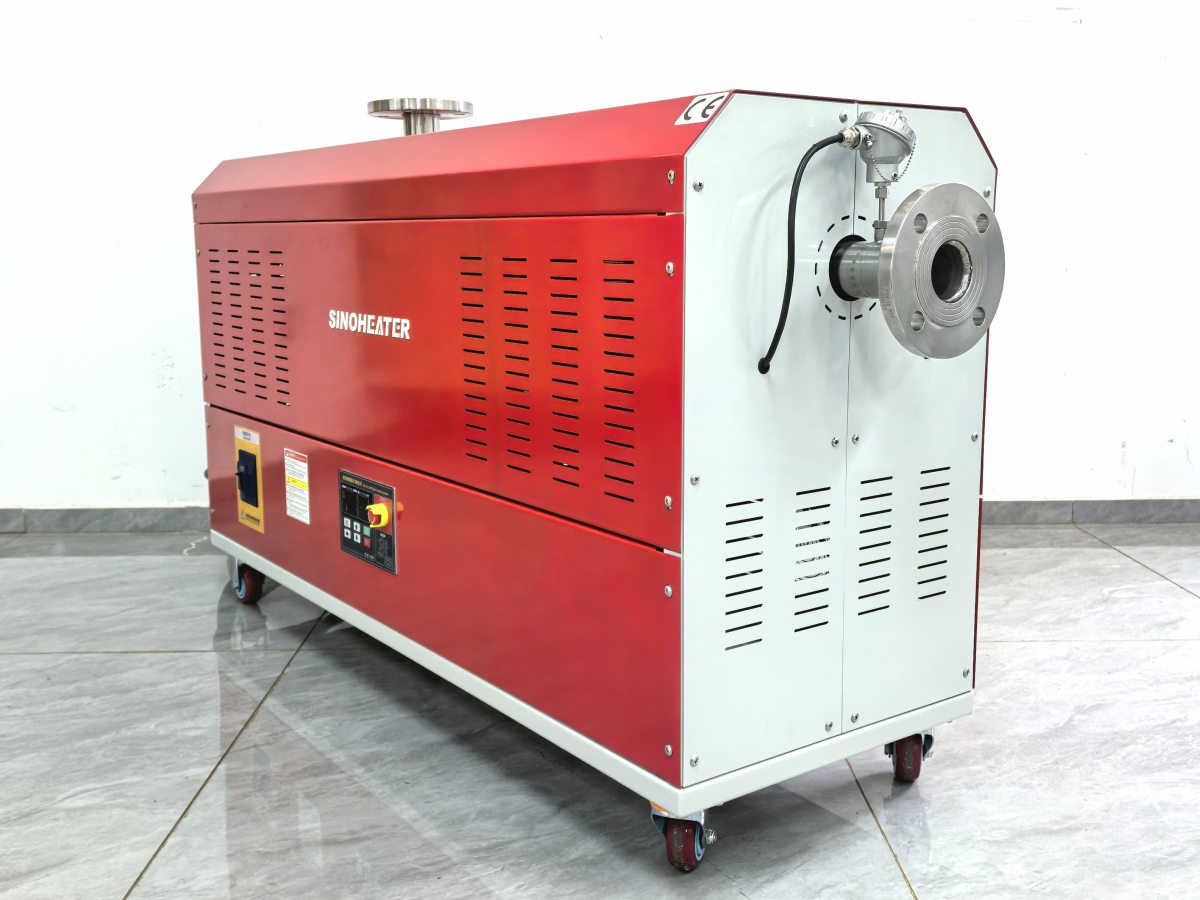
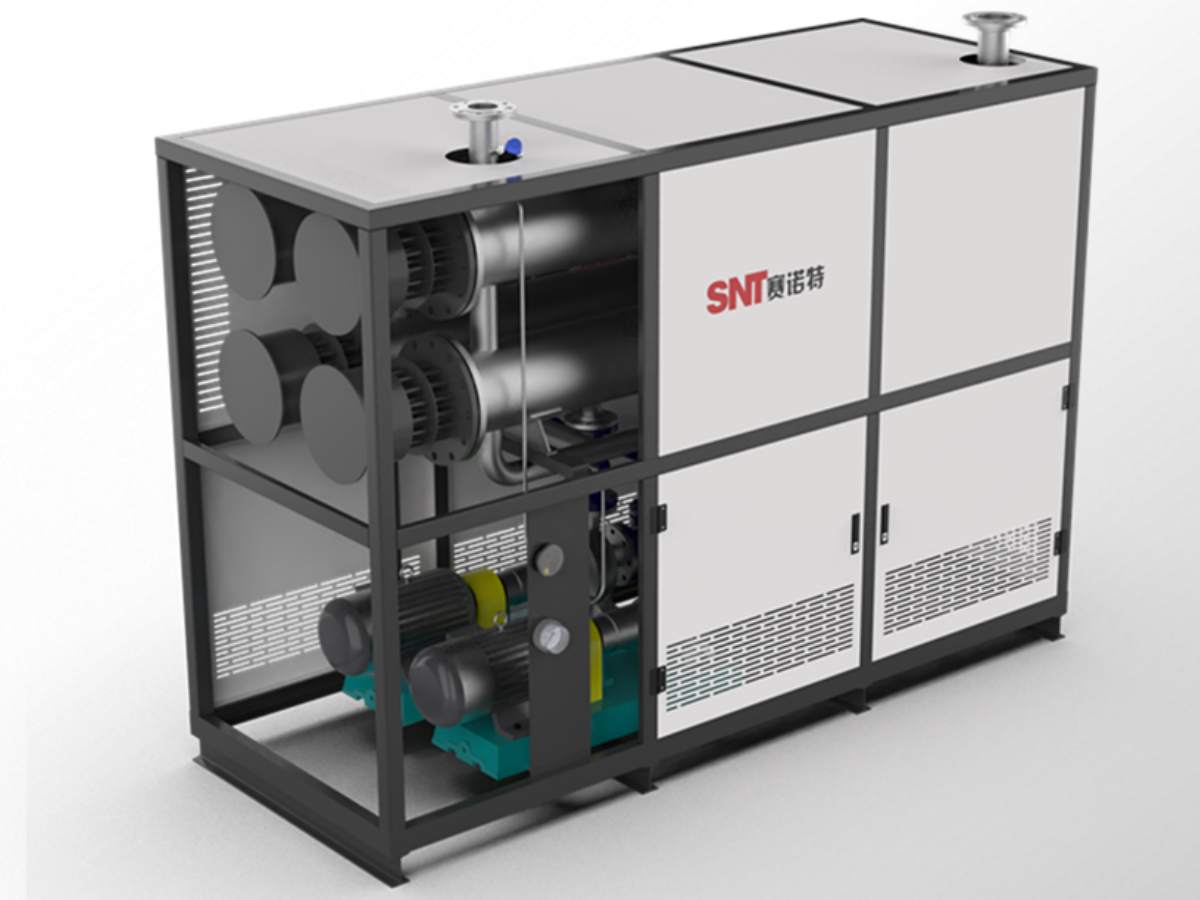
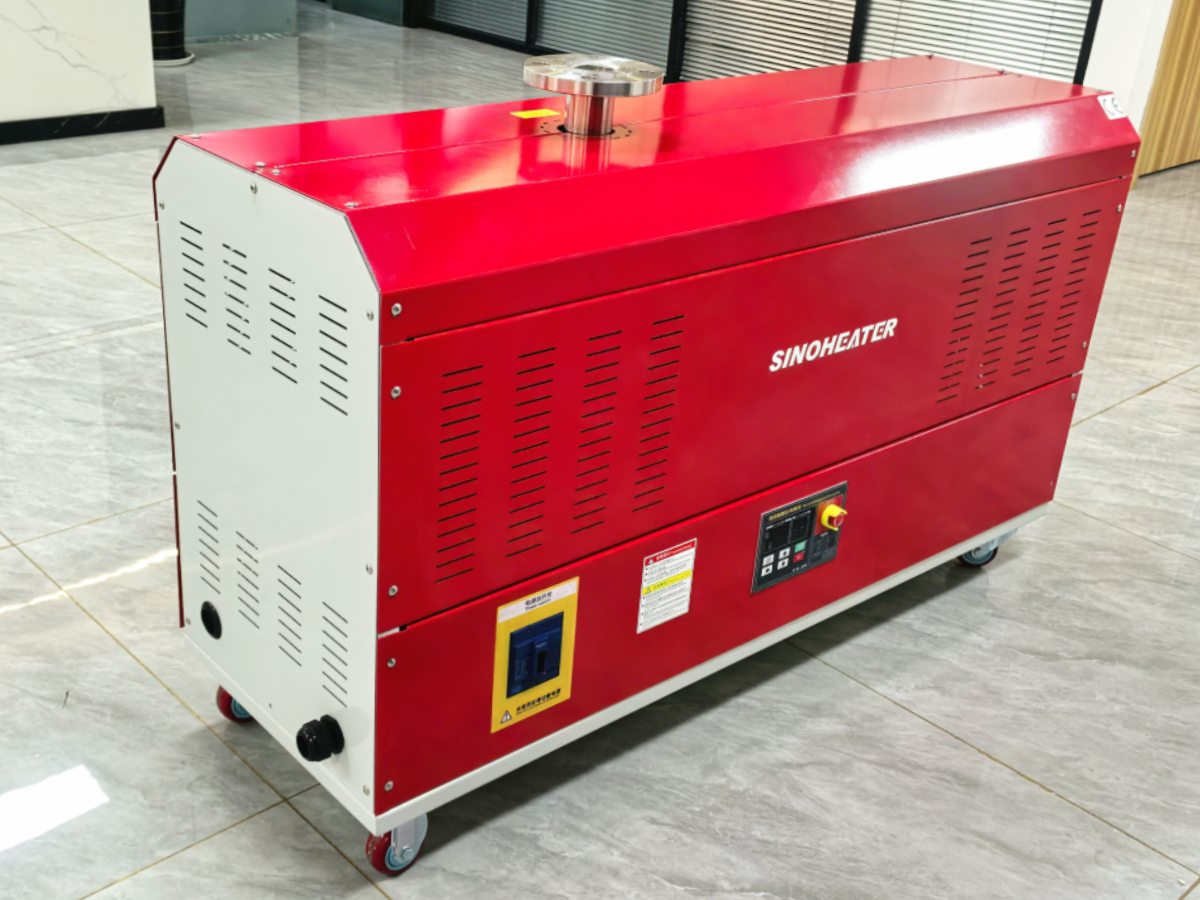
In the wood processing industry, effective wood drying is a crucial step that significantly impacts the quality and durability of the final products. Hot air blowers have emerged as a reliable and efficient solution for providing the necessary heat during the wood drying process.
The Significance of Proper Wood Drying
Wood, being a hygroscopic material, contains a certain amount of moisture when freshly harvested. This moisture content can vary depending on the tree species, growing conditions, and time of harvest. If wood is not properly dried before further processing, it can lead to a range of problems.
Preventing Dimensional Instability
One of the main issues with wet wood is dimensional instability. As the moisture in the wood evaporates over time, the wood can shrink, warp, or crack. This can make it difficult to achieve precise dimensions during cutting, shaping, and joining operations. For example, in furniture manufacturing, if the wood used for table legs or chair frames is not properly dried, the furniture may develop uneven surfaces or loose joints over time, affecting its functionality and aesthetics. By using hot air blowers to dry the wood evenly, the risk of dimensional changes is minimized, ensuring that the wood maintains its intended shape and size throughout the manufacturing process and during its service life.
Reducing the Risk of Fungal Growth
High moisture content in wood creates an ideal environment for the growth of fungi, such as mold and rot. These fungi can not only damage the appearance of the wood but also weaken its structural integrity. In outdoor applications, such as decking or fencing, fungal – infested wood is more likely to decay prematurely, reducing its lifespan. Hot air blowers help to lower the moisture content of the wood to a level where fungal growth is inhibited. By maintaining a relatively low and consistent temperature during the drying process, the conditions for fungal survival are disrupted, protecting the wood from potential damage.
Enhancing Wood Strength and Hardness
Properly dried wood generally has better mechanical properties compared to wet wood. As the moisture is removed, the wood fibers become more closely packed, resulting in increased strength and hardness. This is particularly important in applications where the wood needs to withstand heavy loads or resist wear and tear, such as in flooring or structural beams. By using hot air blowers to achieve the optimal moisture content, wood processing factories can produce high – quality wood products that meet the required performance standards.
How Hot Air Blowers Facilitate Wood Drying
Hot air blowers offer several advantages that make them well – suited for the wood drying process in processing factories. Their ability to generate and distribute heat effectively plays a key role in achieving efficient and uniform drying.
Efficient Heat Generation
Hot air blowers are designed to convert electrical or fuel energy into heat energy with high efficiency. They can quickly raise the temperature of the air, which is then circulated around the wood. This rapid heat generation is essential for speeding up the drying process, especially in large – scale wood processing operations where time is of the essence. Compared to traditional drying methods, such as air – drying, which can take several months, hot air blowers can significantly reduce the drying time, allowing factories to increase their production capacity.
Uniform Air Circulation
In addition to generating heat, hot air blowers also ensure uniform air circulation within the drying chamber or area. The forced – air movement helps to distribute the heat evenly, preventing hot and cold spots. This is crucial for achieving consistent drying across all pieces of wood. If some areas of the wood are exposed to higher temperatures than others, it can lead to uneven drying, causing stress within the wood and potentially leading to cracking or warping. By using hot air blowers, wood processing factories can create a stable and uniform drying environment, ensuring that each piece of wood is dried to the desired moisture content.
Precise Temperature Control
Hot air blowers can be equipped with advanced temperature control systems that allow for precise adjustment of the drying temperature. Different types of wood require different drying temperatures and times to achieve the optimal moisture content without causing damage. For example, softwoods may dry at a lower temperature compared to hardwoods. With precise temperature control, wood processing factories can tailor the drying process to the specific requirements of each wood species, ensuring high – quality results. This level of control also helps to prevent over – drying, which can make the wood brittle and reduce its workability.
Considerations for Using Hot Air Blowers in Wood Drying
To ensure the effective and safe use of hot air blowers in wood drying operations, wood processing factories need to take into account several important factors.
Drying Chamber Design
The design of the drying chamber has a significant impact on the performance of hot air blowers. The chamber should be well – insulated to minimize heat loss and ensure that the heat generated by the blowers is used efficiently for drying the wood. It should also have proper ventilation to allow for the removal of moisture – laden air and the introduction of fresh air. The placement of the hot air blowers within the chamber should be carefully planned to ensure optimal air circulation. For example, placing the blowers at strategic locations can help to direct the warm air towards the wood stacks, maximizing the drying efficiency.
Monitoring Moisture Content
Continuous monitoring of the moisture content of the wood during the drying process is essential. This can be done using moisture meters, which provide real – time information about the progress of drying. By regularly checking the moisture content, wood processing factories can adjust the drying parameters, such as temperature and air circulation, as needed. This helps to prevent under – drying or over – drying, ensuring that the wood reaches the desired moisture level for further processing.
Safety Measures
Safety is a top priority when using hot air blowers in wood drying operations. The high temperatures involved can pose a fire hazard, especially if the wood is not properly arranged or if there are any flammable materials in the vicinity. Wood processing factories should implement strict safety protocols, such as keeping the drying area clean and free of debris, installing fire detection and suppression systems, and providing training to employees on safe operating procedures. Regular maintenance of the hot air blowers is also crucial to prevent malfunctions that could lead to safety issues.
In conclusion, hot air blowers are a valuable asset for wood processing factories in their quest for efficient and high – quality wood drying. By understanding the importance of proper wood drying, leveraging the benefits of hot air blowers, and considering the key factors in their use, factories can produce wood products that meet the highest standards of quality and durability.