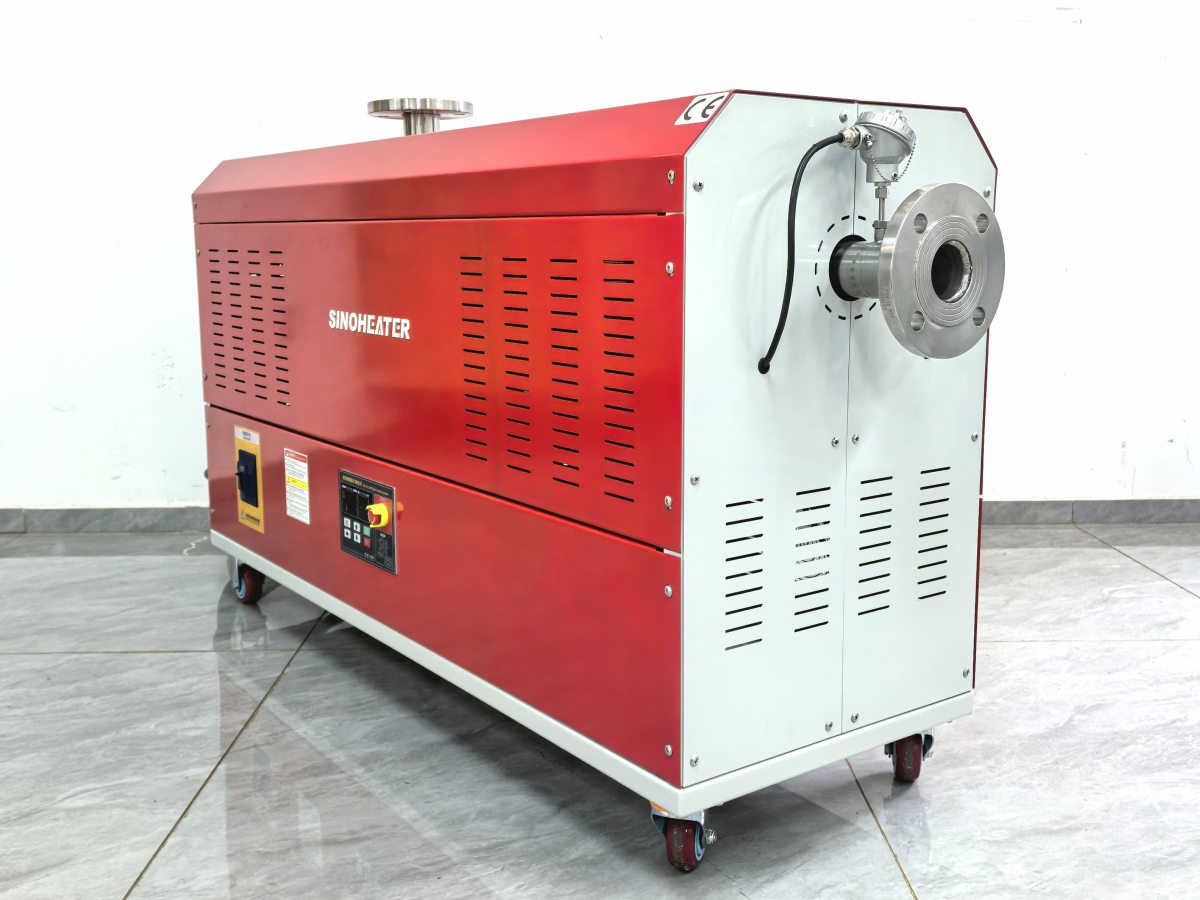
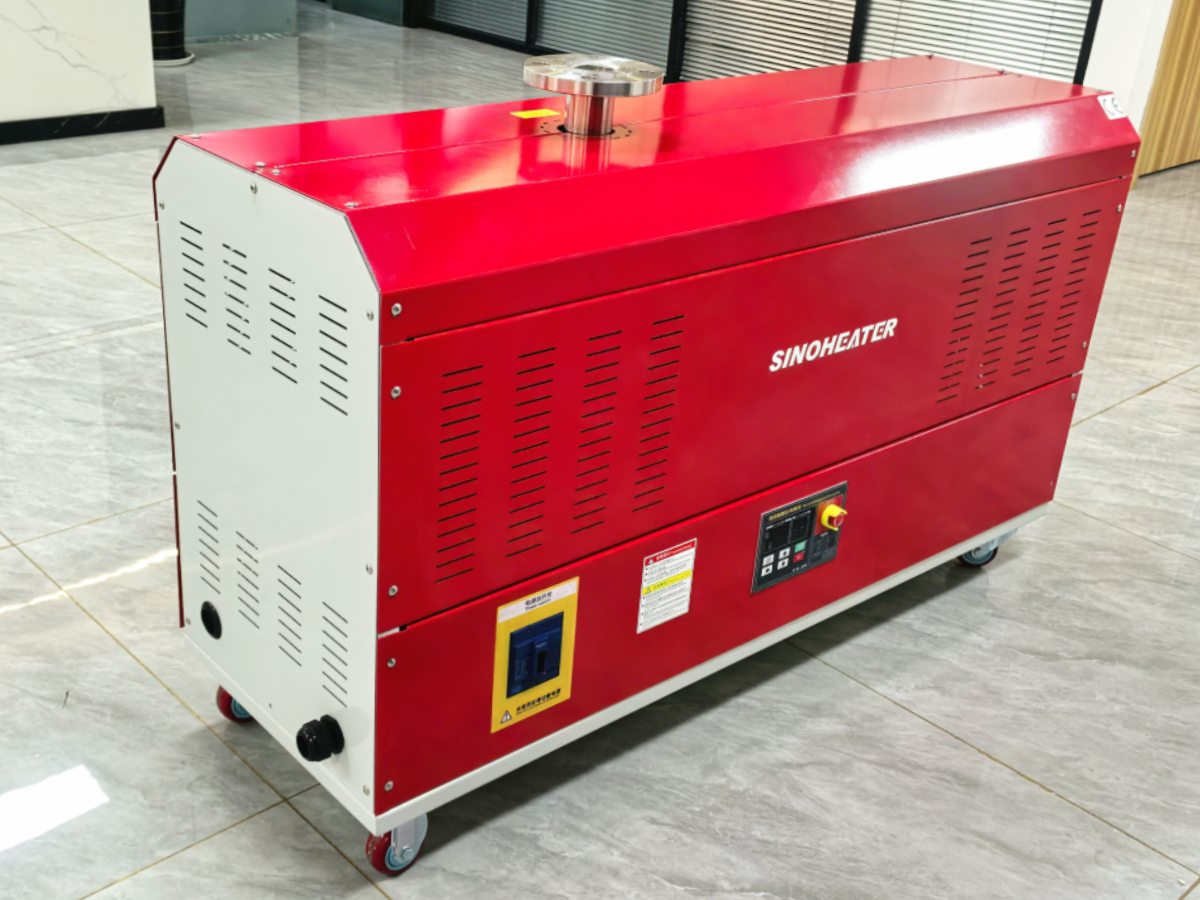
Hot Air Blowers for Coating Drying and Curing in Coating Factories
In the coating manufacturing industry, the drying and curing processes are pivotal steps that determine the final quality, performance, and durability of the coatings. Hot air blowers have emerged as a highly effective and widely – used solution for these crucial operations.
The Significance of Drying and Curing in Coating Production
Coatings are applied to various substrates to provide protection, enhance aesthetics, or improve functionality. Proper drying and curing are essential to ensure that the coatings perform as expected.
Ensuring Coating Adhesion
For a coating to adhere well to the substrate, it needs to form a strong bond. During the drying process, the solvents in the coating evaporate, allowing the coating to start solidifying. If the drying is not carried out correctly, the coating may not adhere properly to the surface, leading to issues such as peeling, flaking, or poor resistance to environmental factors. For example, in the case of automotive coatings, if the adhesion is weak, the paint may come off during normal use or when exposed to chemicals, affecting the appearance and protection of the vehicle. Hot air blowers help in achieving uniform drying, which promotes better adhesion by ensuring that the solvents are removed evenly from the entire coating surface.
Achieving Desired Physical Properties
The curing process is responsible for developing the final physical properties of the coating, such as hardness, flexibility, and chemical resistance. Different types of coatings require specific curing conditions to reach their optimal performance. For instance, some epoxy – based coatings need to be cured at a certain temperature for a specific period to achieve maximum hardness and chemical resistance. Hot air blowers can provide the necessary heat to initiate and complete the curing reactions, allowing the coating to develop the desired properties. If the curing is incomplete, the coating may be soft, easily scratched, or less resistant to corrosion, reducing its overall effectiveness.
Shortening Production Time
In a competitive coating manufacturing environment, reducing production time is crucial for increasing efficiency and meeting customer demands. Traditional drying and curing methods, such as air – drying at room temperature, can be time – consuming, especially for thick coatings or large – scale production. Hot air blowers accelerate the drying and curing processes by increasing the temperature and air circulation around the coated substrates. This significantly reduces the time required for the coatings to reach a usable state, enabling coating factories to increase their production output and improve turnaround times.
How Hot Air Blowers Function in Coating Drying and Curing
Hot air blowers are designed to generate and distribute warm air, which plays a key role in the drying and curing of coatings.
Heat Generation and Transfer
Hot air blowers convert energy into heat, typically through electrical heating elements or combustion processes. The generated heat is then transferred to the air, which is blown out of the blower at a controlled temperature and velocity. When this warm air comes into contact with the coated substrates, it transfers heat to the coating, increasing its temperature. This increase in temperature speeds up the evaporation of solvents in the coating during the drying phase and promotes the chemical reactions during the curing phase. The heat transfer is efficient because the warm air can surround the coated objects evenly, ensuring that all parts of the coating receive the necessary heat for proper processing.
Air Circulation and Uniformity
In addition to generating heat, hot air blowers also create air circulation in the drying or curing area. The circulating air helps to remove the evaporated solvents from the vicinity of the coated substrates, preventing them from re – condensing on the coating surface. This is especially important for volatile organic compounds (VOCs) in solvent – based coatings, as their re – absorption can affect the coating’s properties. Moreover, the air circulation ensures that the temperature is uniform throughout the drying or curing space. This uniformity is crucial because uneven heating can lead to inconsistent drying or curing, resulting in areas of the coating with different physical properties. For example, if one part of a coated panel is over – cured while another part is under – cured, it can cause warping or cracking of the panel.
Adjustable Parameters for Different Coatings
Different types of coatings have unique requirements for drying and curing, such as temperature, time, and airflow rate. Hot air blowers are often equipped with adjustable settings to meet these diverse needs. For example, water – based coatings may require lower drying temperatures compared to solvent – based coatings to prevent bubbling or blistering. By adjusting the temperature control on the hot air blower, the factory can optimize the drying process for each type of coating. Similarly, the airflow rate can be adjusted to ensure that the coatings are dried or cured at an appropriate pace, whether it’s a thin coating on a small part or a thick coating on a large structure.
Key Factors for Using Hot Air Blowers in Coating Factories
To maximize the benefits of hot air blowers in coating drying and curing, coating factories need to consider several important factors.
Proper Ventilation Design
Effective ventilation is essential when using hot air blowers in coating factories. During the drying and curing processes, volatile substances are released from the coatings. If these substances are not properly ventilated, they can accumulate in the workspace, posing health risks to workers and potentially affecting the quality of the coatings. The ventilation system should be designed to remove the contaminated air from the drying or curing area and replace it with fresh air. This can be achieved through exhaust fans, ductwork, and air intake systems. Additionally, the ventilation should be balanced to ensure that the air pressure in the workspace is maintained at an appropriate level, preventing the ingress of outside contaminants.
Temperature and Humidity Control
Maintaining the right temperature and humidity levels is crucial for the success of the drying and curing processes. While hot air blowers provide the necessary heat, other factors can influence the temperature and humidity in the workspace. For example, the ambient temperature and humidity outside the factory can affect the conditions inside. Coating factories should install temperature and humidity sensors in the drying or curing area to monitor these parameters continuously. Based on the sensor readings, adjustments can be made to the hot air blower settings or the ventilation system to maintain the optimal conditions for each type of coating. For instance, if the humidity is too high, it may slow down the drying process, and the factory may need to increase the ventilation or adjust the temperature to promote faster evaporation.
Safety Measures
Working with hot air blowers involves potential safety hazards, such as high temperatures, electrical components, and the release of flammable or toxic substances. Coating factories must implement strict safety measures to protect workers and prevent accidents. This includes providing personal protective equipment (PPE) such as heat – resistant gloves, safety goggles, and respiratory masks to workers operating in the drying or curing area. Fire – prevention equipment, such as fire extinguishers and smoke detectors, should be installed and regularly maintained. Electrical systems should be inspected and grounded properly to prevent electrical shocks or fires. Additionally, workers should receive comprehensive training on the safe operation of hot air blowers and the emergency procedures in case of an accident.
In conclusion, hot air blowers are an invaluable tool for coating factories in achieving efficient and high – quality coating drying and curing. By understanding the importance of these processes, how hot air blowers work, and the key factors for their use, coating manufacturers can produce coatings that meet the highest standards of performance and durability.