Post-Installation Safety Testing for Heat Blowers: What Every Inspector Needs to Know
Getting a heat blower up and running is only half the battle. The real question that separates a safe installation from a liability is whether the unit has been properly tested after mounting. Post-installation safety testing isn’t optional — it’s the checkpoint that keeps buildings, occupants, and insurance claims out of trouble.
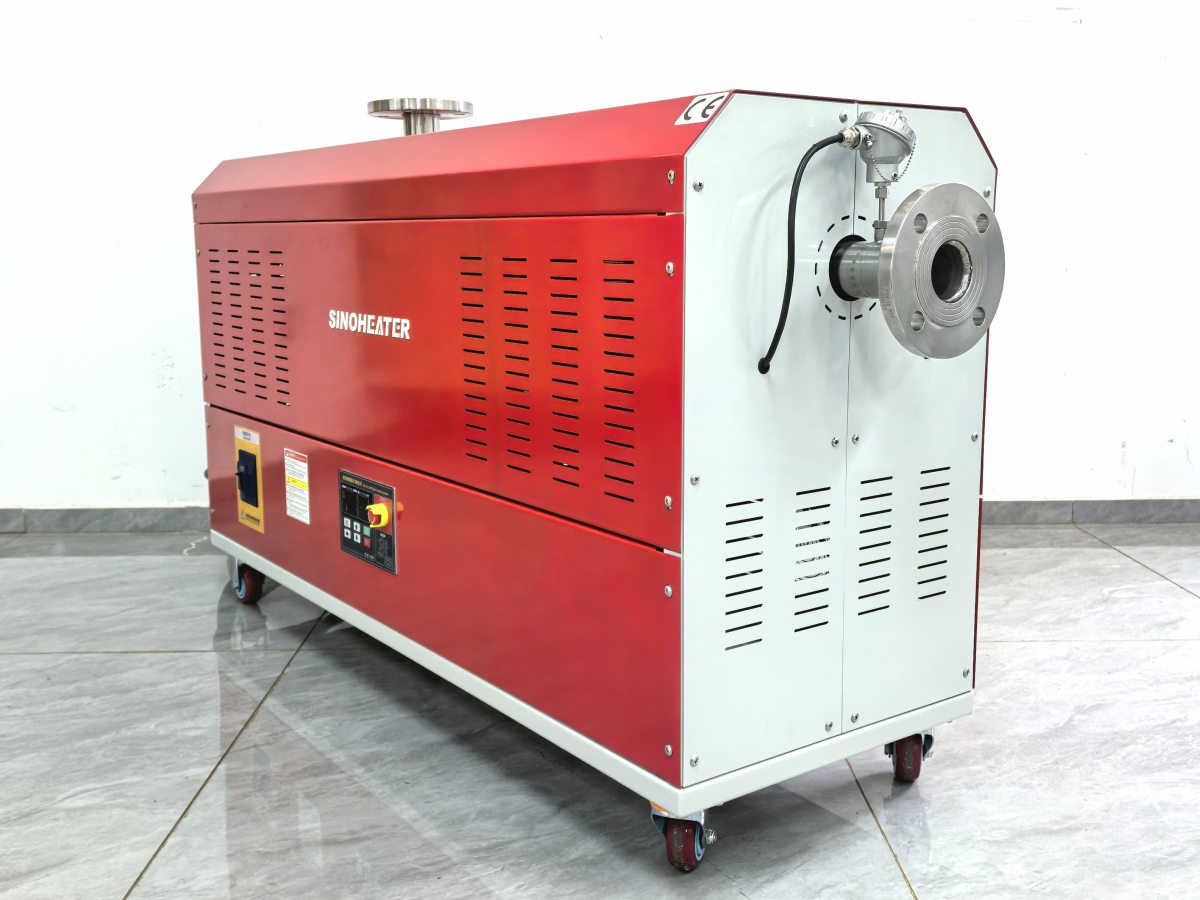
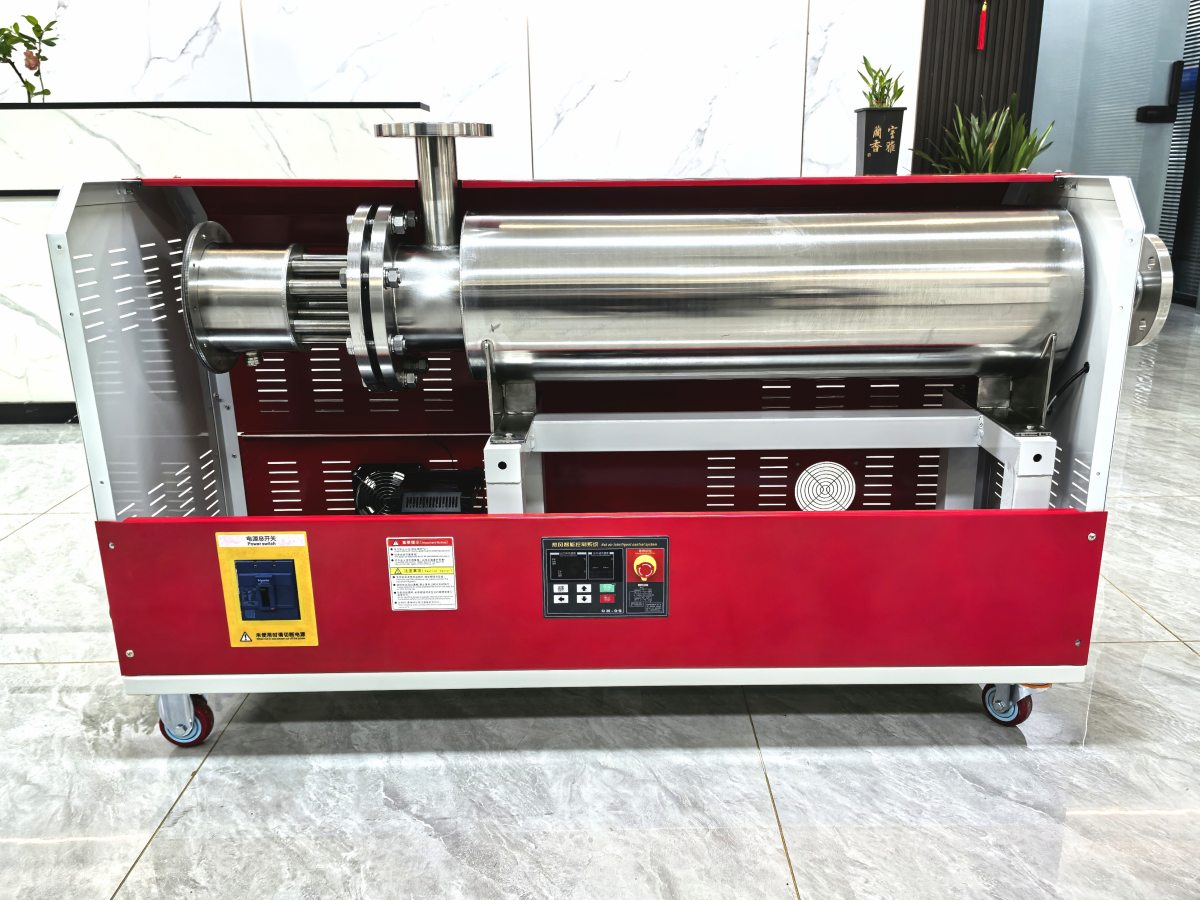
Whether you’re dealing with a low-temperature air source heat pump blower or a portable fan heater, the testing protocol shares common ground. Let’s break down exactly what needs to happen after that unit is bolted in place.
Electrical Safety Tests That Cannot Be Skipped
Electricity and heating elements are a dangerous combination when things go wrong. That’s why electrical safety testing sits at the very top of every post-installation checklist.
Dielectric Strength and Withstand Voltage
The most critical test you’ll run is the high-voltage withstand test. According to standard procedures, the test voltage is typically set at 1500V per second per milliampere for one minute. The high-voltage probe connects to the L and N terminals of the power plug while the ground clip attaches to the equipment’s earth wire. During that full minute, there must be zero breakdown or flashover. For units operating at 234V AC, the insulation withstand test uses 1800V with leakage current capped at 20mA for one second — again, no breakdown allowed.
This isn’t a suggestion. It’s a pass-or-fail gate.
Leakage Current and Grounding Resistance
Leakage current gets measured between the exposed metal parts and the power cord. The voltage is set at 1.06 times the rated voltage, and the reading must stay at or below 0.75mA. For earth continuity, the test current is cranked to 25A, and the ground resistance must read under 0.12 ohms. Any metal housing that fails this test is a serious shock hazard waiting to happen.
Mechanical Integrity and Physical Safety Checks
A heat blower that rattles, wobbles, or falls apart under its own vibration is not just annoying — it’s a code violation.
Vibration and Drop Testing
Every unit should undergo vibration testing to confirm that the pipework and internal components won’t fatigue and crack over time. Resonance is the silent killer here. If the mounting brackets aren’t solid or the damping isn’t right, vibration travels through the ductwork and creates noise problems that never go away.
Drop testing is equally important. The standard calls for a free-fall drop from 0.6 meters onto a wooden board — one corner, two edges, three faces. Packaging integrity matters because a damaged box often means a damaged unit. This test is run on at least two samples per batch.
Marking, Labels, and Instruction Compliance
Here’s where a surprising number of installations fail. Under IEC 60335-2-30, every heat blower must carry specific warnings. The “Do Not Cover” symbol (IEC 60417-5641) must be at least 15mm tall, or the text “WARNING: Do not cover” must appear in a minimum 3mm font. The instruction manual must also explain what that warning means.
Missing labels aren’t just a paperwork issue — they’re a safety failure. Inspectors should verify that the rated voltage, frequency, input power, manufacturer name, and model number are all legible. Try wiping the label with a damp cloth for 15 seconds. If it smears, it doesn’t pass.
Noise, Airflow, and Thermal Performance Verification
Safety isn’t only about preventing shocks and fires. It’s also about ensuring the unit performs within safe thermal boundaries.
Sound Power Level Measurement
Noise testing happens in a semi-anechoic chamber. Sound level meters are positioned at prescribed points around the unit running at maximum mode. The result is calculated as a sound power level and compared against standard limits. Excessive noise often points back to loose components, unbalanced fans, or inadequate vibration isolation — all of which are safety concerns in disguise.
Airflow and Temperature Rise
Airflow must be measured at the outlet using calibrated instruments. Compare the reading against the rated airflow. If the actual volume is significantly lower, you’re looking at clogged filters, a failing fan motor, or duct leakage. Low airflow means the heating element runs hotter than designed, which directly increases fire risk.
For heat pump blowers specifically, low-temperature performance matters enormously. At outdoor temperatures of minus 20 degrees Celsius or even minus 30, the heating capacity should still hold within a reasonable percentage of the rated value. Defrost cycle logic also needs verification — the unit should defrost intelligently without causing wild indoor temperature swings that could trigger secondary safety systems.
Compliance Frameworks and Certification Paths
In China, heat blowers fall under CCC (China Compulsory Certification) requirements. The core standards include GB 4706.1 for general safety and GB 4706.23-2007 for indoor heaters specifically. The test matrix covers marking and instructions, leakage current under normal conditions, insulation resistance, dielectric strength under constant humid heat, surge immunity, and electromagnetic compatibility across the 9kHz to 30MHz range for conducted emissions and 30 to 1750MHz for radiated emissions.
For low-environment-temperature air source heat pump blowers, additional standards like JB/T 13573-2018 apply. These demand full-parameter testing in a standard enthalpy laboratory capable of simulating temperatures down to minus 30 degrees Celsius, complete with frosting and icing simulation.
What Happens When a Test Fails
Any unit that fails a safety test gets tagged immediately. An “Non-Conforming Product” label goes on the unit, and a disposition notice gets filed. The unit either gets reworked and retested or gets scrapped. There’s no gray area here. Documentation of every test result — including ambient conditions, instrument calibration dates, and operator notes — becomes part of the compliance file.
Post-installation safety testing is not a formality. It’s the difference between a heat blower that warms a space and one that burns it down. Run every test, document everything, and never assume the unit is safe just because it turns on.