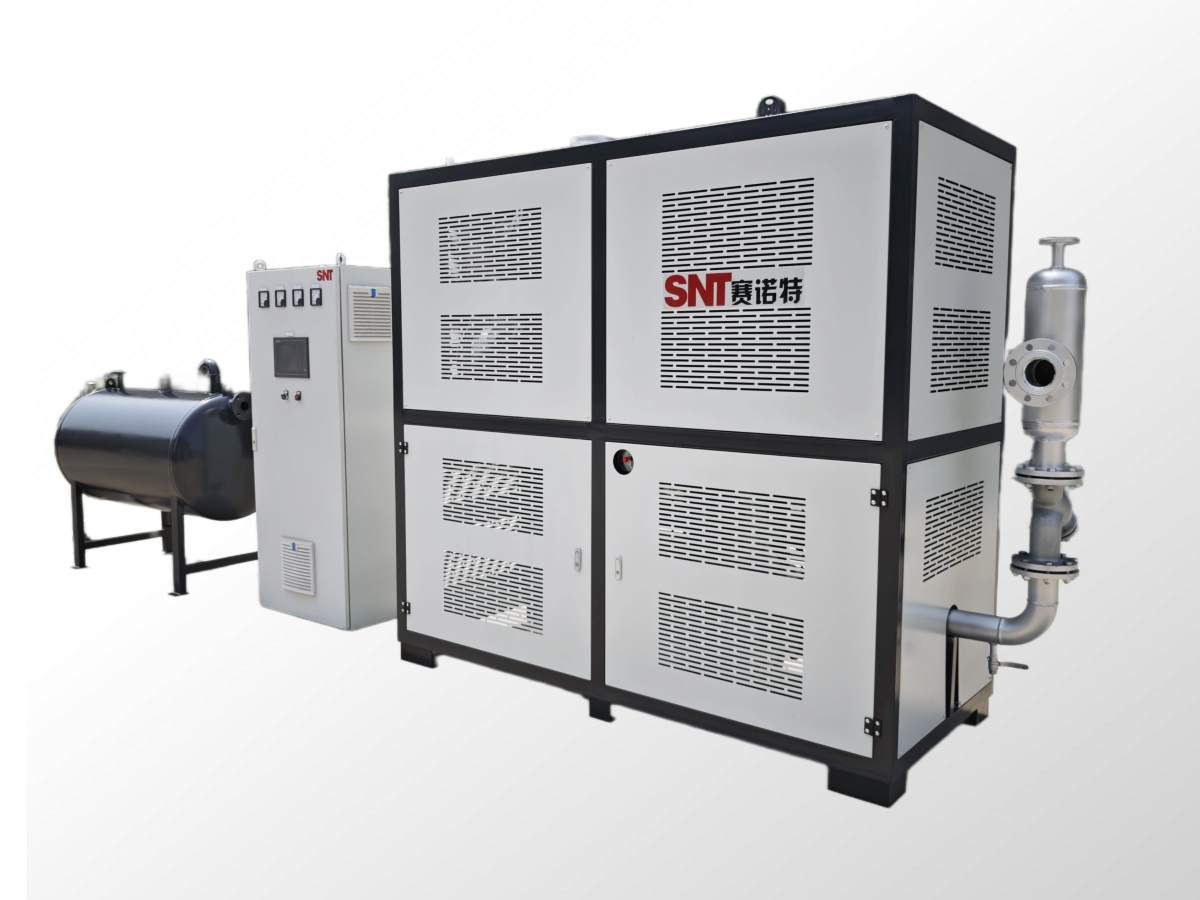
Working with hot air blower systems in wet workshop environments requires careful alignment between equipment design traits and the persistent presence of moisture, splashing water, and high ambient humidity. These conditions can quickly degrade standard unprotected units, leading to unexpected downtime, electrical hazards, or inconsistent thermal performance that disrupts daily drying, heating, and process support tasks. Understanding how waterproof construction interacts with real workshop conditions helps operators maintain steady, safe operation even when water exposure is unavoidable.
Ingress Protection Alignment for Wet Workshop Conditions
Every structural choice that blocks water from reaching internal electrical and heating components directly defines how reliably a unit performs in damp, splash-prone spaces. Sealed panel joints, cable entry points, and vent edges use continuous, compression-fit gaskets that maintain a tight barrier even after repeated temperature cycling and mechanical vibration. These barriers are engineered to withstand water sprayed from any direction, rather than only protecting against direct, one-directional water flow. This level of coverage matches the unpredictable splashes, accidental hose sprays, and high humidity levels that occur during regular workshop cleaning, material processing, and equipment washdown routines.
Thermal Performance Stability Under High Ambient Humidity
When surrounding air carries high moisture content, the blower’s ability to deliver consistent, predictable heat output becomes far more critical than in dry operating spaces. Internal heat exchange paths are optimized to prevent condensed water from pooling near heating elements or electrical connections, even when the unit pulls in air close to its dew point. The airflow path is shaped to move moisture-laden air through the system quickly, reducing the chance that water droplets settle on sensitive surfaces and create long-term corrosion risks. This design keeps heat output uniform across long continuous runs, so drying cycles finish on schedule and process temperatures stay within the required working range.
Electrical System Moisture Resistance Design
Every electrical circuit inside the waterproof blower is built to prevent moisture from creating short circuits, current leakage, or unexpected component failure. Wiring insulation uses materials that resist water absorption and chemical degradation from common workshop cleaning agents, so the protective layer stays intact even after years of exposure to damp conditions. Speed control interfaces, sensor signal lines, and temperature regulation components all sit inside fully sealed compartments that block water vapor from seeping in and interfering with signal accuracy. This level of protection ensures that real-time speed feedback, temperature readings, and automatic safety shutdown functions continue operating reliably, with no unexpected drift caused by humid or wet conditions.
Corrosion Resistant Housing and External Component Traits
Wet workshops often carry trace amounts of dissolved minerals, cleaning chemicals, or processing residues in water that can accelerate rust and surface degradation on unprotected metal parts. Waterproof blower housings and external fasteners use materials that resist oxidation and chemical attack, so the outer structure does not develop pitting or structural weakness after repeated contact with splashed water. Even exposed surfaces that operators regularly wipe down during cleaning maintain their smooth, sealed finish, preventing small pockets of moisture from getting trapped in crevices and slowly working their way past the primary ingress protection layers. This extended structural durability reduces the need for frequent part replacement and keeps the unit’s safety performance consistent through long-term daily use.
Practical Operational Habits for Extended Service Life
Even the most robust waterproof design performs better when operators follow simple, consistent habits tailored to wet workshop use. Intake vents are positioned away from direct water spray sources, so large volumes of liquid cannot be pulled directly into the airflow path during routine operation. After heavy washdown cycles, operators allow the unit to run on low airflow for a short period to clear any minor residual moisture that settled near external surfaces. Regular visual checks around seal edges, cable connections, and housing joints catch small signs of wear before they can develop into pathways that compromise the unit’s waterproof performance over time.