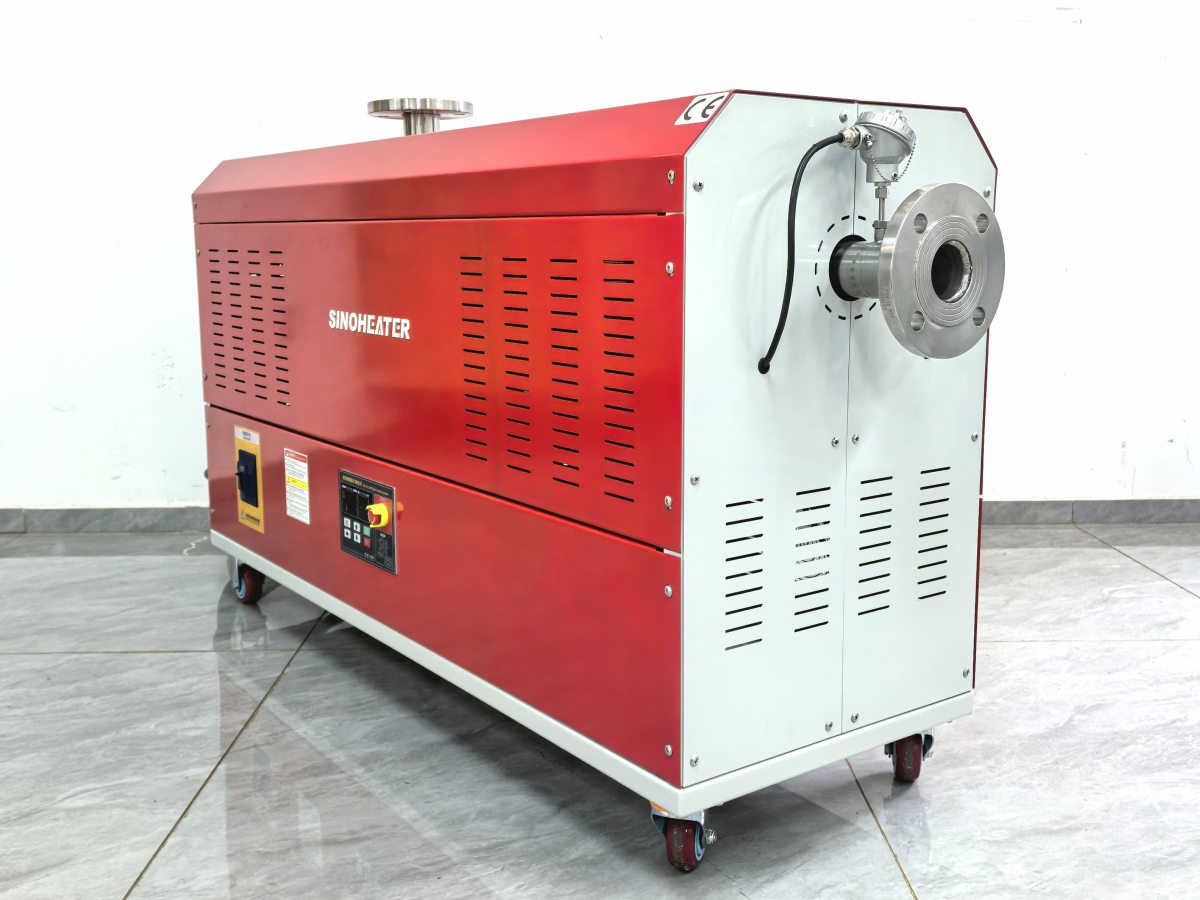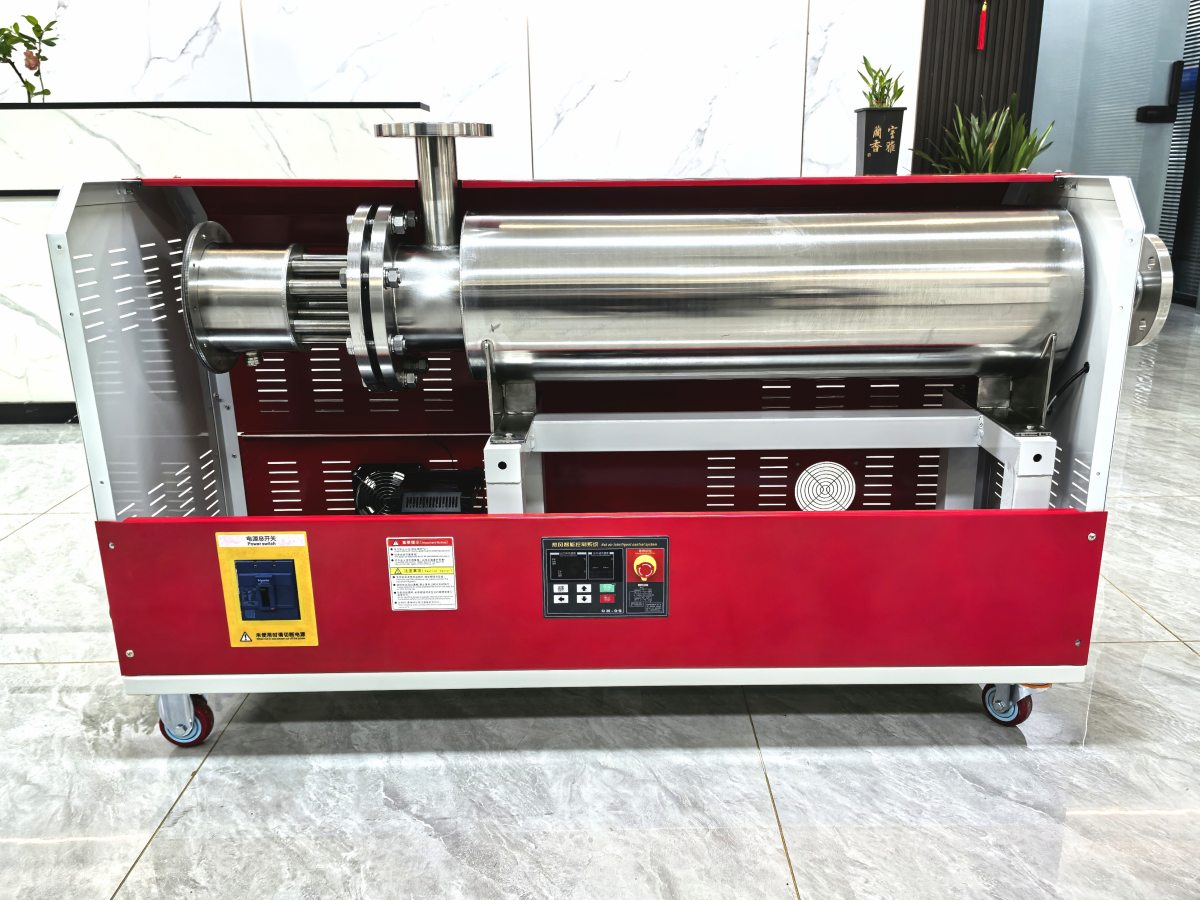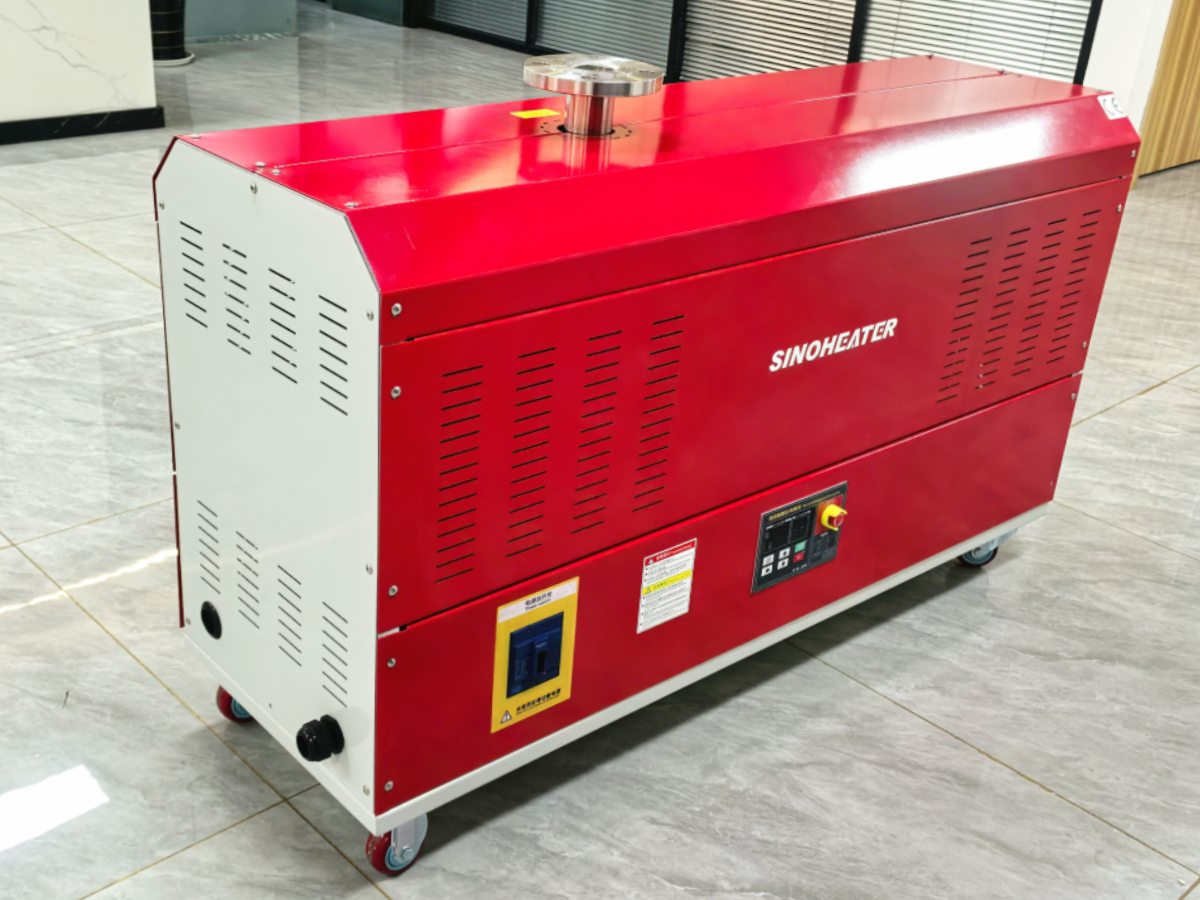
Horizontal air blowing flat operation hot air blower systems are engineered to deliver consistent, wide-spread heated airflow across flat, extended work surfaces, making them well suited for large area processing tasks that demand even temperature distribution. Their unique layout eliminates many of the uneven heating issues that come with concentrated directional airflow, creating stable working conditions for long continuous operation cycles.
Airflow path structural design traits
The internal airflow path is arranged to guide heated air through a wide, elongated outlet that runs parallel to the flat work surface. Internal flow deflectors are precision positioned to spread air velocity evenly across the full width of the outlet, eliminating high-speed dead zones or concentrated hot spots that could create uneven heating results. The entire air channel is sealed with high temperature resistant materials to prevent unplanned heat loss before the airflow reaches the target processing area.
Flat operation stability characteristics
When running in continuous flat operation mode, the system maintains a consistent horizontal air layer that flows evenly across the full surface of the workpiece below. The low, parallel air movement does not create strong turbulent eddies that could blow light workpieces out of position or stir up loose debris into the processing zone. Even after running for multiple consecutive hours, the unit maintains steady operating parameters without unexpected temperature spikes or airflow fluctuations that could disrupt ongoing processing work.
Work surface coverage and adaptability traits
This configuration delivers uniform heated air coverage across a much wider flat processing area than traditional focused nozzle designs. Operators can adjust the overall airflow height and coverage width to match different workpiece dimensions, without making major structural modifications to the unit. The horizontal flat air layer also works well for processing thin, delicate materials that could be damaged by high-velocity concentrated hot air, supporting gentle, even heating across every part of the target surface.
Routine maintenance access points are structured to simplify regular inspection and cleaning without requiring full disassembly of the airflow path. Key components including the heating element, flow deflector assembly, and air inlet filter are positioned along the outer side of the unit, so operators can clear accumulated dust and residual process material quickly during scheduled downtime. This accessible layout reduces maintenance time significantly, helping the system maintain consistent airflow performance over a much longer service life.
Operational safety features are integrated directly into the horizontal air blowing layout to support reliable unattended operation. Over-temperature sensors monitor both the heating chamber and the outlet airflow, triggering automatic protective responses if readings move outside predefined safe ranges. The outer shell of the unit remains at a much lower touch temperature than internal operating components, reducing accidental burn risk for operators working nearby during extended flat processing cycles.