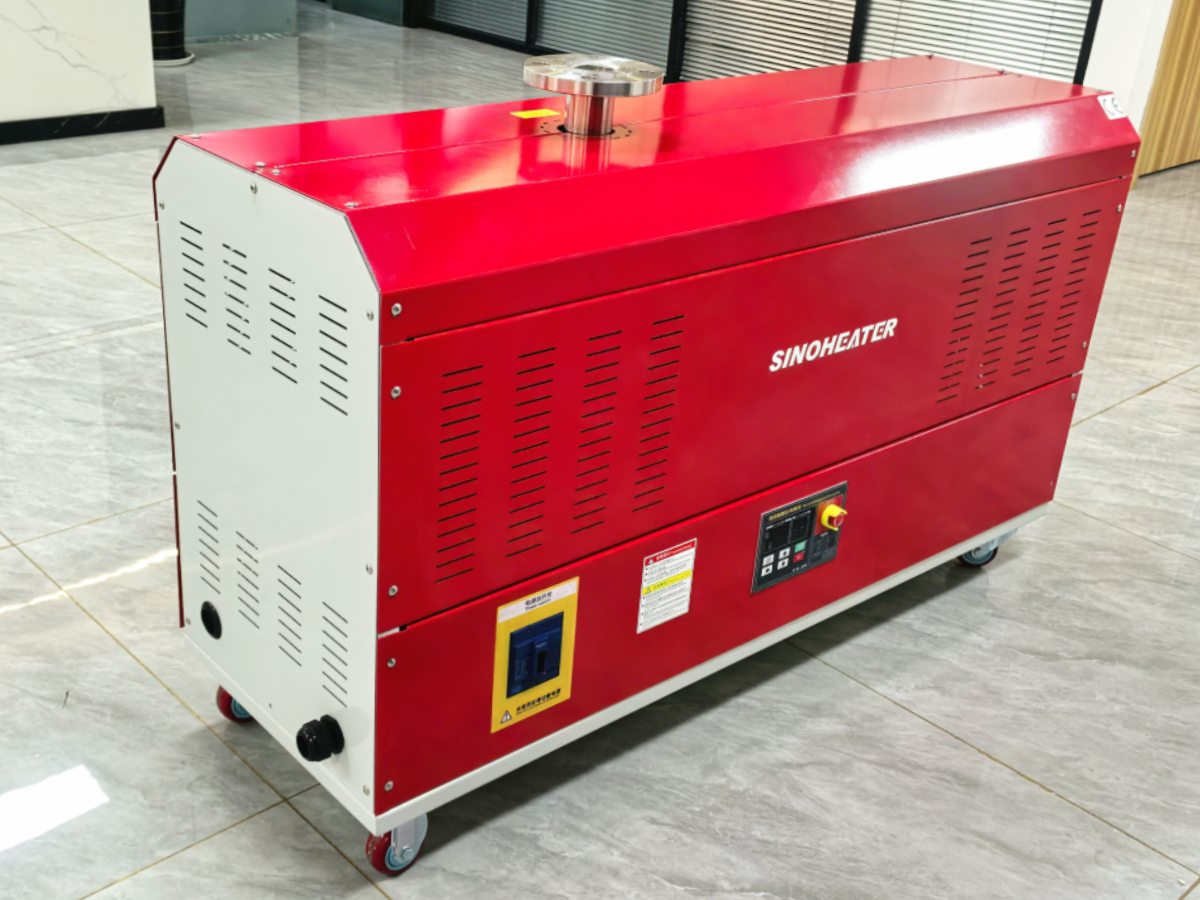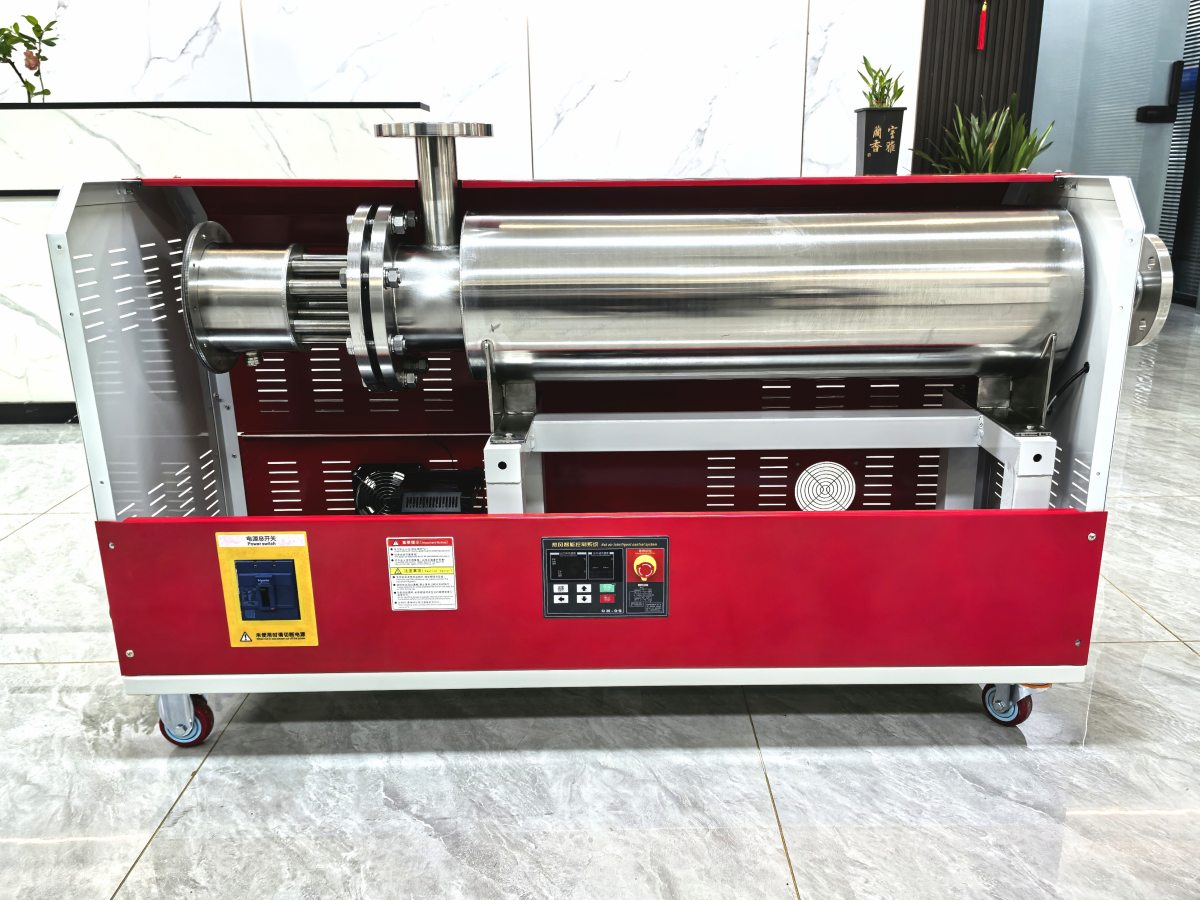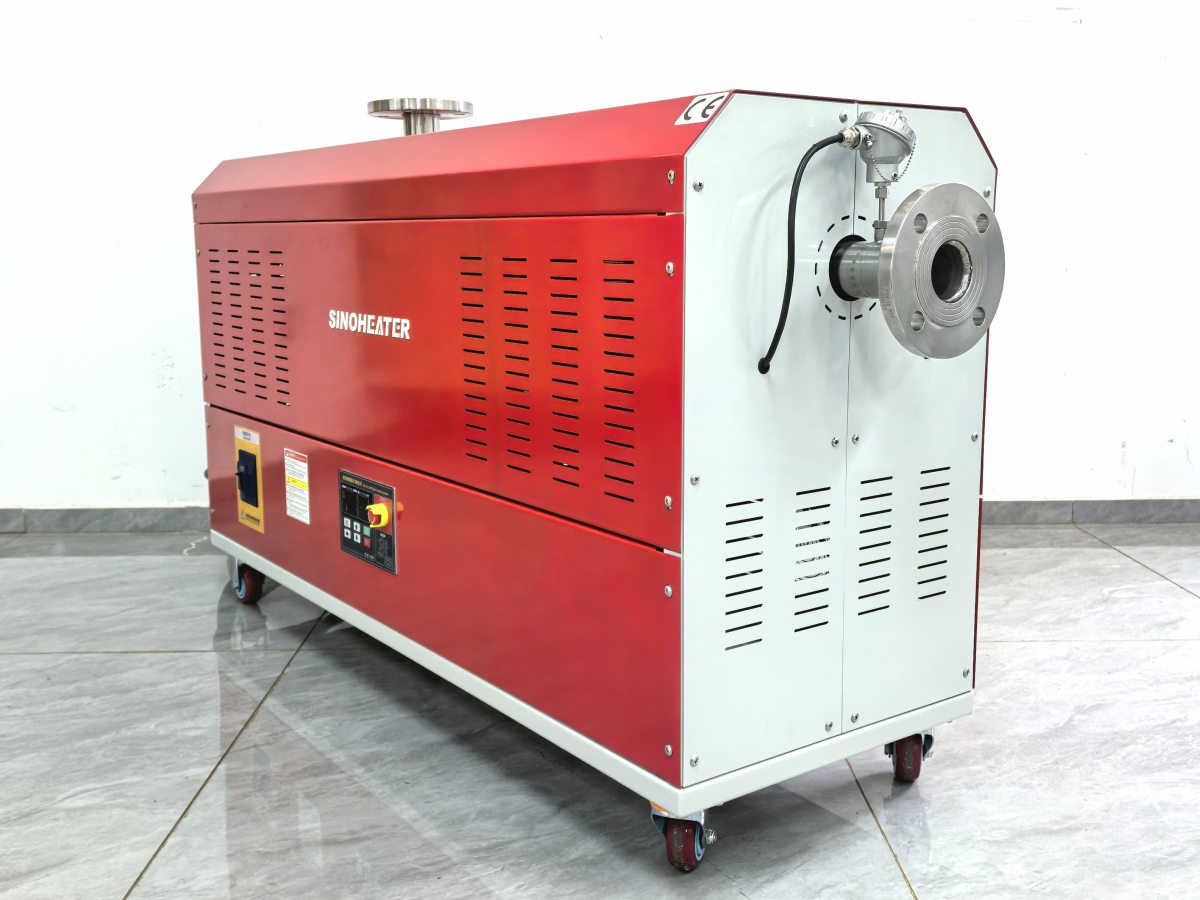
Frequency conversion energy saving hot air blower systems are designed to match output power dynamically to real-time operational demand, rather than running at fixed full power for the entire duration of a work cycle. This operational logic creates far more stable long-term performance than traditional constant-speed models, especially in facilities that run extended, variable-load production schedules.
Dynamic power adjustment response traits
The frequency conversion control system continuously monitors real-time operational parameters including airflow volume, heating chamber temperature, and actual heat demand from the processing zone. It adjusts motor rotation speed and heating element power input in small, smooth increments, rather than toggling the system fully on and off as older mechanical control designs do. This eliminates the sudden power surges that happen every time a traditional unit restarts after reaching its temperature setpoint, creating a far more stable power draw across the entire operation cycle.
Long-term continuous operation stability features
Under extended non-stop working conditions, the system avoids the frequent full-load startup shocks that cause premature wear on motor bearings and heating elements in conventional units. The gradual speed ramping function reduces mechanical stress on internal components every time operational requirements change, lowering overall heat buildup inside the equipment housing. Even after running for multiple consecutive days with fluctuating load demands, the unit maintains consistent airflow and temperature output without unexpected performance drift or unplanned shutdowns.
Energy saving operational logic characteristics
Instead of wasting excess generated heat that the processing zone does not need, the frequency conversion system scales output down precisely to match exactly the amount of heat required to maintain target working conditions. When the processing line enters a temporary standby phase, the system automatically reduces fan speed and lowers heating power to a minimal holding level, rather than continuing to blow full power hot air directly into the surrounding environment. This targeted power matching cuts down unnecessary energy consumption significantly during partial load and standby periods that make up a large share of many real-world production schedules.
Overload and fault self-protection mechanisms are built directly into the frequency conversion control architecture to further boost operational reliability. The system continuously tracks motor current, operating temperature, and rotation speed, triggering smooth, gradual power reduction rather than sudden full shutdown if any parameter moves outside normal safe ranges. This gives on-site operators time to identify and resolve minor issues without disrupting the ongoing production process, preventing small anomalies from turning into full operational failures.
Adaptive voltage fluctuation handling makes this type of unit especially well suited for industrial environments with unstable power supply conditions. The control module automatically adjusts power input to compensate for minor rises or drops in incoming line voltage, keeping airflow and heating output completely consistent even when grid supply is not perfectly stable. This level of operational resilience eliminates unexpected temperature variations that could compromise processing quality, even in locations where power supply consistency cannot be guaranteed.