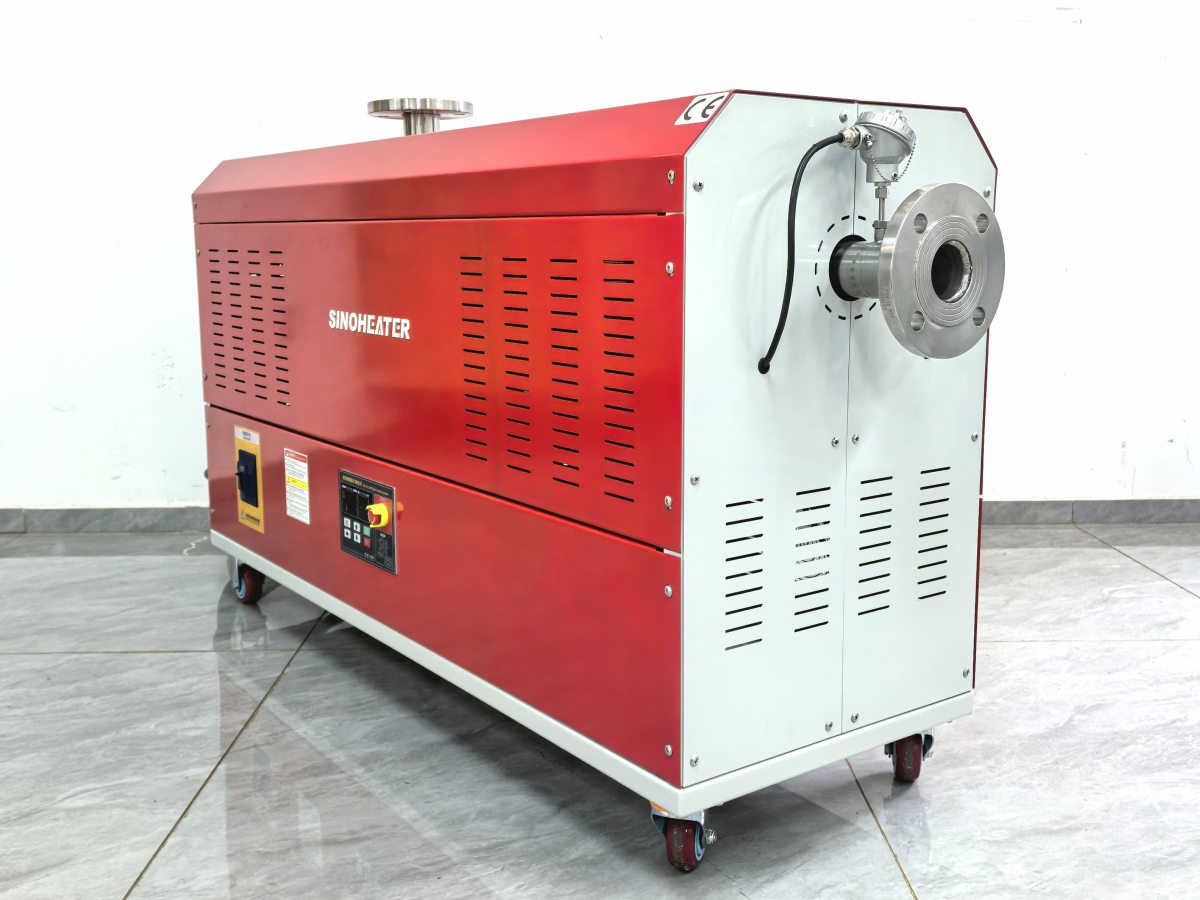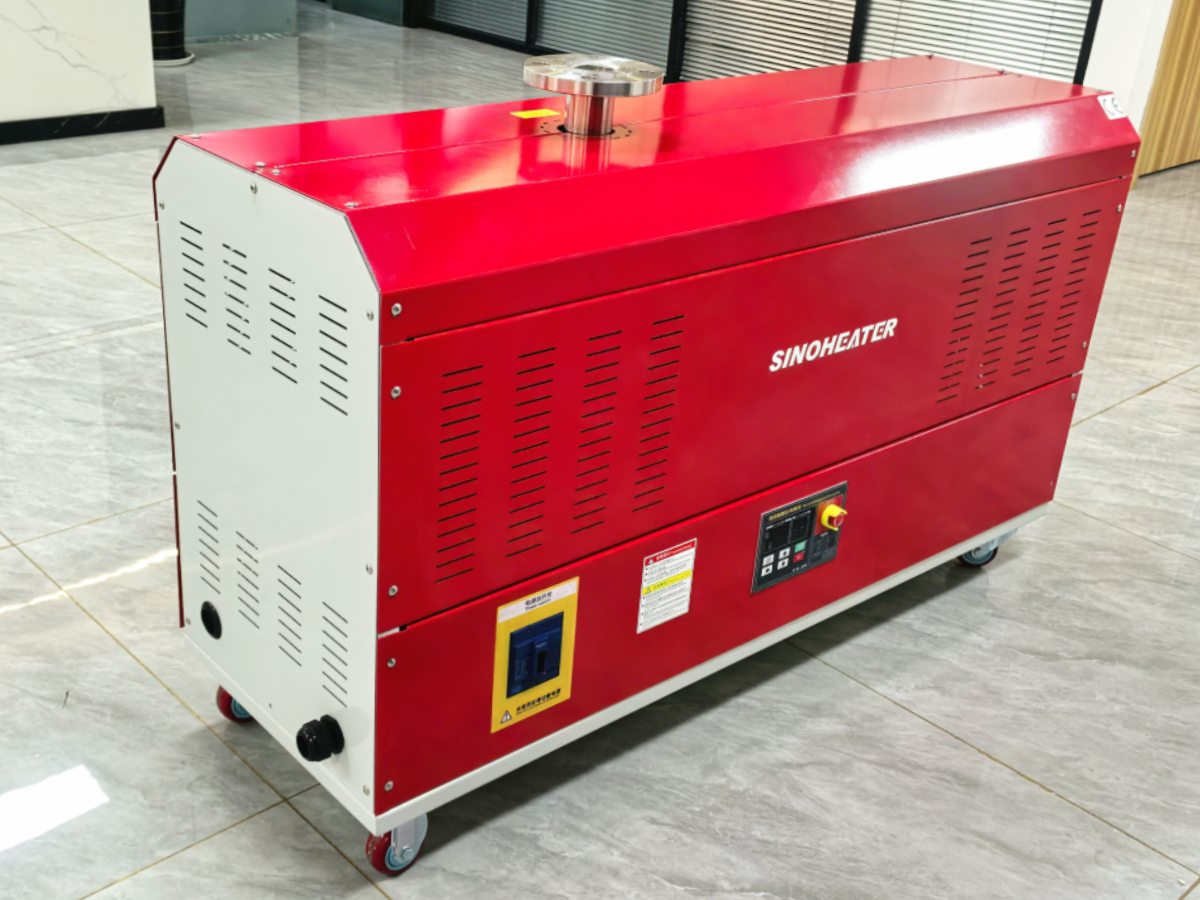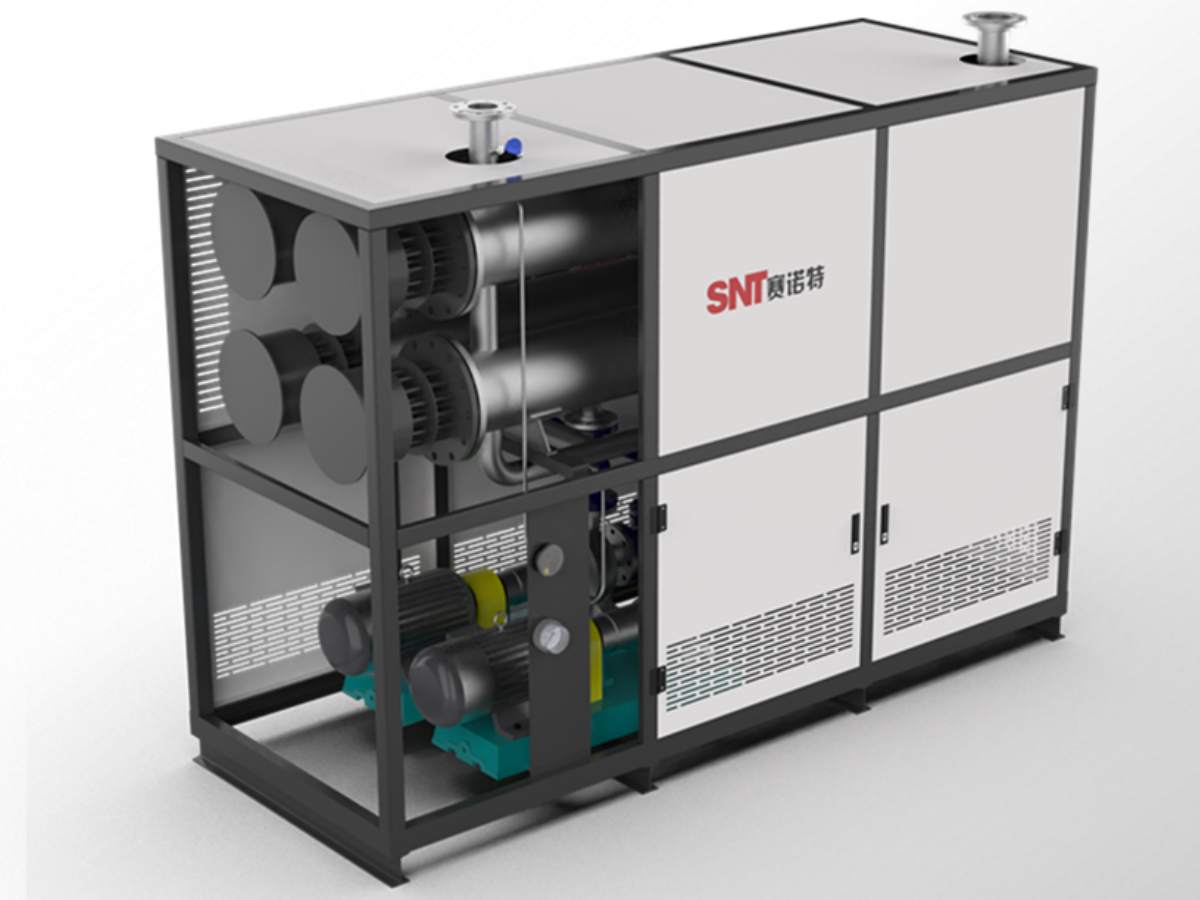
Hot air blowers with constant temperature automatic cycle control are engineered to maintain extremely stable thermal output across extended continuous operation, eliminating the temperature drift and uneven heat distribution that plagues basic manually adjusted heating systems. This closed-loop control architecture continuously adjusts system parameters in real time, creating a consistent thermal environment that is critical for industrial processes like drying, curing, and material heat treatment where even minor temperature fluctuations can compromise final processing quality. The system does not rely on static pre-set power levels, but dynamically adapts its behavior to match changing ambient conditions, load variations, and operating stage transitions.
Adaptive Heating Phase Regulation for Warm-Up Stability
The automatic cycle control system does not apply full power to the heating elements the moment the unit is switched on, a common mistake that causes large initial temperature overshoots and uneven heat distribution across the airflow. Instead, it uses a progressive power ramp-up sequence that carefully brings the heating core up to operating temperature at a controlled rate, monitoring real-time temperature readings at multiple points across the heating element surface and airflow path. This prevents localized hotspots that can degrade internal heating components prematurely, and ensures the entire system reaches thermal equilibrium in a smooth, predictable sequence.
Once the measured airflow temperature approaches the user-defined setpoint, the control logic automatically reduces proportional power output to slow the rate of temperature rise. This eliminates the dramatic overshoot that would otherwise push output temperature 10 to 20 percent above the target value immediately after warm-up, a common issue in basic open-loop hot air blower designs. The system continues fine-tuning power delivery in small incremental steps until temperature stabilizes exactly at the desired operating level, with no sudden spikes or drops that could disrupt downstream processes.
Dynamic Blower Speed Synchronization for Uniform Airflow Temperature
Temperature regulation in this system is not achieved solely by adjusting electric heating power. The automatic cycle control also dynamically modulates the blower motor speed to match the current heating stage and thermal load conditions. During the initial warm-up phase, a slightly elevated fan speed pushes moving air across the heating elements at a higher flow rate, spreading heat evenly across the entire heating core surface and preventing any single section from overheating while other areas remain cold. This drastically reduces thermal stress on the heating element, extending its total usable service life.
When the system enters the stable constant temperature holding phase, the control logic fine-tunes fan speed to maintain perfectly consistent airflow velocity and temperature distribution across the full air outlet. This ensures every cubic centimeter of hot air exiting the blower carries the exact same thermal energy, eliminating the hot and cold spots that can create uneven processing results across large workpieces. If the system detects a sudden change in ambient temperature or a shift in the downstream airflow resistance, it adjusts fan speed and heating power in coordinated lockstep to keep output temperature completely stable.
Cycle Calibration and Long-Term Drift Compensation
Over thousands of operating hours, minor natural wear on heating elements and sensor components can create small gradual offsets between the displayed setpoint and the actual measured output temperature. The automatic cycle control system includes a regular self-calibration routine that runs during idle or low-load operating periods, comparing readings from multiple independent temperature sensors to identify and correct for small measurement drift. This continuous self-correction ensures the system maintains consistent temperature accuracy for years, without requiring manual recalibration by a technician.
The control logic also logs all cycle performance data over time, tracking how power delivery, fan speed, and temperature response change as components age. This allows the system to pre-emptively adjust its control parameters to compensate for gradual performance degradation, rather than waiting for temperature accuracy to fall outside acceptable limits. This layered automatic regulation approach creates a highly robust, low-maintenance hot air blower system that delivers rock-solid constant temperature performance even during weeks of non-stop continuous industrial operation.