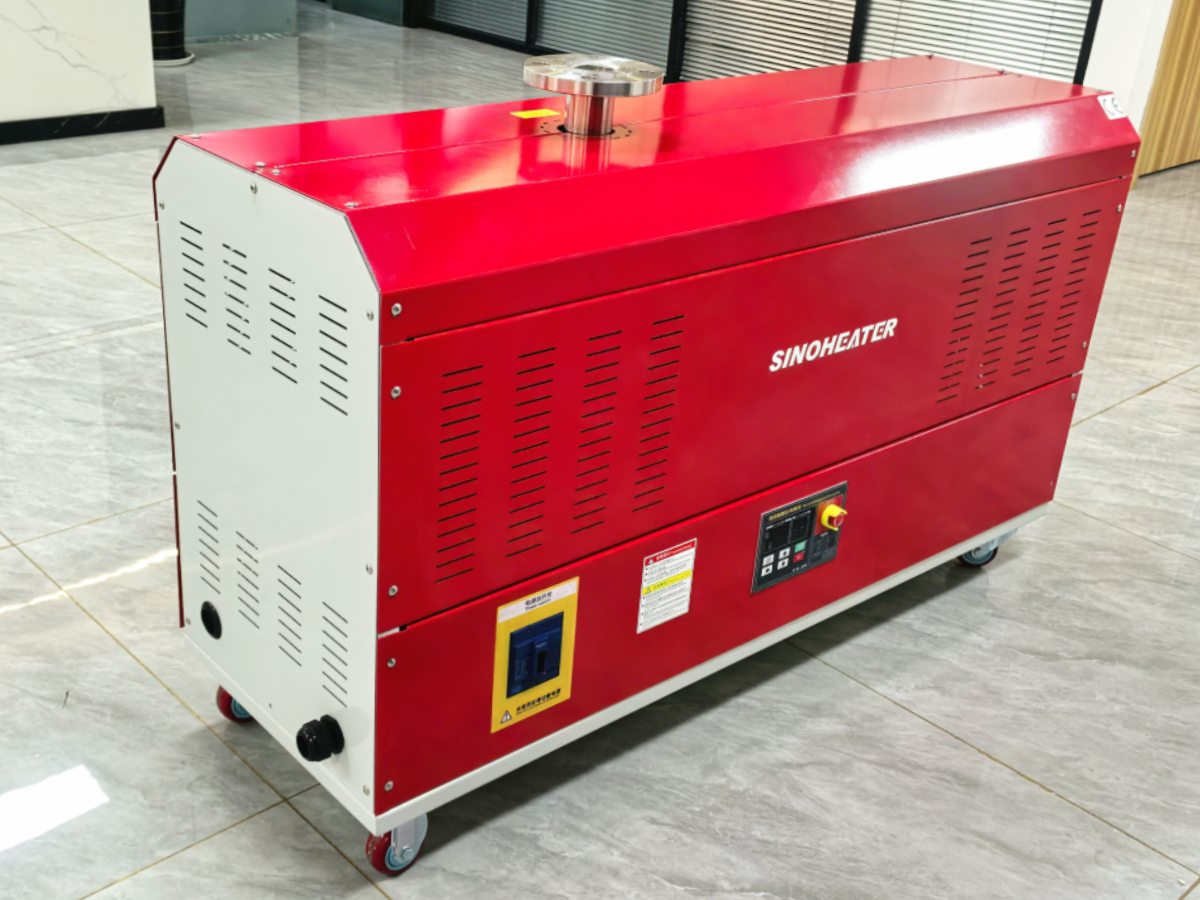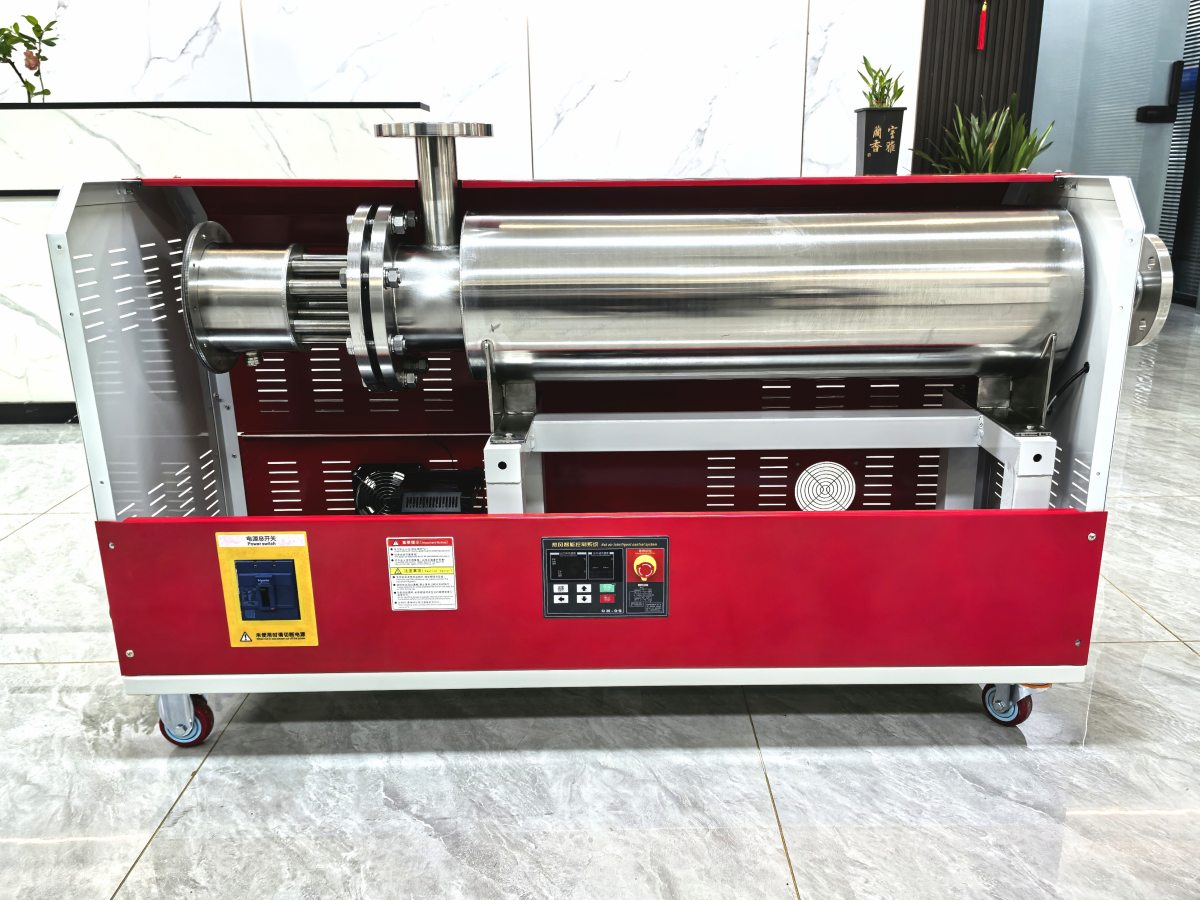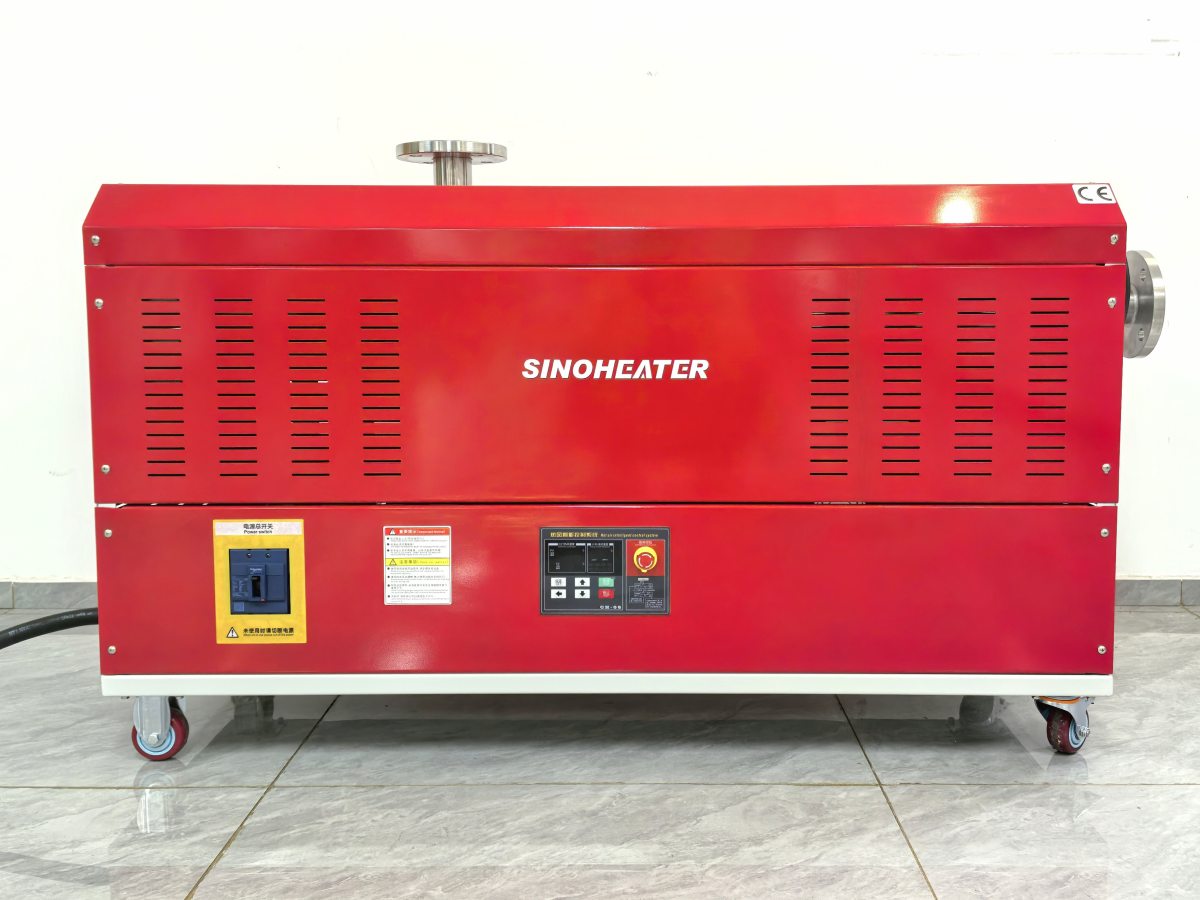
Hot air blower processing for electronic component drying dehumidification is a critical industrial workflow that safely removes residual moisture, trapped condensation, and surface dampness from sensitive electronic assemblies without causing thermal or mechanical damage. This method delivers targeted, adjustable airflow that penetrates narrow gaps, connector pin gaps, and sealed enclosure seams where trapped moisture often accumulates after exposure to humid environments, liquid spills, or condensation during cold storage. When executed with proper process control, it eliminates the risk of hidden moisture-related failures like electrical short circuits, corrosion of metal contact points, and gradual performance drift that can appear weeks or months after the components are put into service.
Pre-drying preparation to prevent component damage
Before starting any drying operation, perform a full visual inspection of all electronic components to identify any loose connectors, exposed delicate pins, or unprotected flexible circuit sections that could be disturbed by strong direct airflow. Document the original operating temperature rating and maximum heat tolerance for every type of component in the batch, to make sure the drying process will never push temperatures past the safe threshold defined for each part. Remove any standing pools of liquid from the surface of assemblies using a soft, lint-free absorbent cloth, so the hot air blower does not accidentally blow loose liquid deeper into hidden internal cavities. Arrange all components on a flat, perforated support surface that lets air circulate freely on both the top and bottom sides, ensuring no damp surface is left pressed against a solid non-breathable material that would trap moisture during processing.
Graduated airflow and temperature control techniques
Start the drying cycle at the lowest airflow and temperature setting, moving the hot air blower in slow, continuous sweeping motions across the entire surface of the components from a consistent, safe working distance. Never aim a concentrated, high-velocity hot air jet directly at a single small spot on the assembly, as this can create localized thermal stress that lifts surface mount components, warps thin circuit boards, or damages delicate plastic connectors. Work systematically across every section of the assembly, paying extra attention to hidden gaps between component leads, under large integrated circuit packages, and inside ventilation slots on enclosures where moisture is most likely to get trapped. Gradually adjust airflow and temperature upward in small, incremental steps only after the surface moisture has begun to evaporate, to speed up the removal of deeper trapped moisture without exposing the components to sudden thermal shock.
Post-drying validation and residual moisture verification
After the full drying cycle is complete, leave the components in a clean, dry, room-temperature air flow space to cool down slowly to ambient temperature before handling or testing them. Perform a second visual inspection under bright angled light to check for any remaining faint traces of dampness, water spots, or condensation that were not fully removed during the main drying process. For high-sensitivity assemblies, verify that the surface resistance across critical contact points has returned to the normal baseline level, confirming that all hidden conductive moisture has been fully eliminated. Log the full drying process parameters for each batch of components, so you can refine and standardize the workflow over time to achieve consistent, reliable dehumidification results for every type of electronic assembly processed in the facility.