
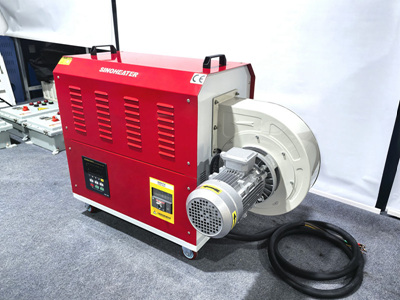
Anti-Aging Maintenance for Hot Air Blowers After Exposure to Direct Sunlight
Understanding Sunlight-Induced Degradation Mechanisms
Ultraviolet Radiation Effects on Polymer Components
Direct sunlight exposes hot air blowers to UV radiation in the 290-400nm wavelength range, which causes photodegradation in plastic and rubber materials. Polymers like ABS, polycarbonate, and PVC commonly used in housings and ductwork absorb UV energy, leading to chain scission and cross-linking reactions. This manifests as surface cracking, discoloration, and loss of mechanical strength. For example, unprotected polycarbonate covers may develop micro-cracks within 500 hours of continuous UV exposure, reducing impact resistance by 40-60%.
The degradation rate depends on UV intensity and wavelength distribution. In equatorial regions with high solar irradiance, material breakdown occurs 2-3 times faster than in temperate zones. Additionally, some additives used to improve flame resistance or color stability can accelerate UV absorption if not properly stabilized.
Thermal Cycling Stress on Materials
Sunlight exposure creates significant temperature fluctuations on exposed surfaces. During peak daylight hours, black plastic components may reach 70-85°C, while nighttime temperatures can drop below ambient due to radiative cooling. This 50-70°C daily temperature swing causes differential expansion between material layers, leading to delamination and warping.
Thermal fatigue testing shows that repeated cycling between 20°C and 80°C reduces the flexural modulus of engineering plastics by 15-25% after 1,000 cycles. Rubber seals experience similar issues, with compression set values increasing by 30-40% under these conditions, compromising their ability to maintain airtight seals.
Protective Measures Against Solar Damage
UV-Stabilizing Additives and Coatings
Incorporating UV absorbers during material manufacturing provides baseline protection. Common stabilizers include:
- Hindered amine light stabilizers (HALS): Neutralize free radicals generated by UV exposure, extending material lifespan by 2-3 times
- Benzophenone derivatives: Absorb UV energy and re-emit it as harmless heat
- Carbon black pigments: Provide physical shielding by absorbing 90-95% of incident UV radiation
For existing equipment, topical coatings offer retroactive protection. Acrylic-based UV-resistant sprays create a 20-50μm barrier that reduces UV penetration by 70-85%. These coatings require reapplication every 12-18 months in high-UV environments.
Thermal Insulation Strategies
Reducing solar heat gain minimizes thermal stress on components. Effective approaches include:
- Surface reflectivity enhancement: Applying ceramic-based coatings with total solar reflectance (TSR) values above 85% can lower surface temperatures by 15-25°C compared to uncoated surfaces
- Insulating layers: Adding 10-15mm thick neoprene or silicone foam pads between hot surfaces and plastic housings reduces conductive heat transfer
- Ventilation optimization: Designing airflow paths that prevent hot air stagnation near sensitive components can lower internal temperatures by 10-15°C
Field trials demonstrate these measures reduce thermal cycling amplitudes by 40-60%, significantly extending material fatigue life.
Structural Design Modifications
Proactive design changes prevent sunlight exposure to vulnerable areas:
- Component relocation: Moving electrical controls and sensors to shaded areas of the unit reduces UV exposure by 70-90%
- Housing orientation: Aligning long axes of plastic components north-south minimizes direct sunlight exposure duration
- Overhangs and shields: Adding 50-100mm wide metal flanges above exposed surfaces creates self-shading effects that reduce UV intensity by 50-70%
Computational fluid dynamics (CFD) modeling helps optimize these designs to balance solar protection with airflow requirements.
Maintenance Protocols for Sun-Exposed Equipment
Regular Inspection Procedures
Visual assessments should focus on early signs of solar damage:
- Surface chalking or powdering on plastic components
- Cracking patterns radiating from stress concentration points
- Discoloration gradients indicating uneven UV exposure
- Deformation or warping of structural elements
Monthly checks in high-UV regions should include digital microscopy analysis of critical areas, with 50-100x magnification revealing micro-cracks before they become visible to the naked eye.
Cleaning and Surface Restoration
When solar damage occurs, immediate action prevents progression:
- Gentle cleaning: Use pH-neutral detergents and soft brushes to remove degradation products without scratching surfaces
- Surface polishing: For minor scratches, apply fine abrasive compounds followed by polishing wheels to restore optical clarity
- Coating reapplication: After thorough surface preparation, apply fresh UV-resistant coatings following manufacturer guidelines
For severe cases, component replacement may be necessary. Keep spare parts in dark, climate-controlled storage to prevent pre-installation degradation.
Component Replacement Criteria
Establish replacement thresholds based on performance degradation:
- Plastic housings: Replace when flexural modulus drops below 70% of original value
- Rubber seals: Replace when compression set exceeds 35% or leakage rates increase
- Electrical insulation: Replace when dielectric strength falls below 80% of rated specification
Implementing these criteria in preventive maintenance schedules reduces unexpected failures by 60-75% in sun-exposed installations. Tracking degradation rates through non-destructive testing methods like ultrasonic thickness gauging provides data for optimizing replacement intervals.


