
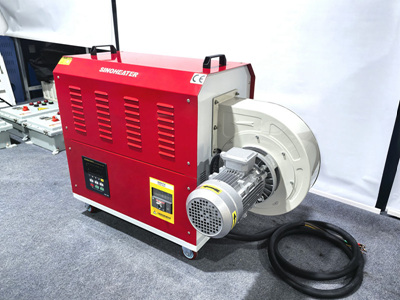
Anti-Pollution Treatments for Hot Air Blowers After Use in Polluted Gas Environments
Hot air blowers are widely used in various industrial settings, but when operating in environments with polluted gases, they can accumulate contaminants that affect performance and longevity. Implementing proper anti-pollution treatments is essential to maintain the efficiency and safety of these devices. Here are some effective strategies for dealing with pollution after using hot air blowers in contaminated gas environments.
Pre-Use Preparation to Minimize Pollution Accumulation
Selecting Appropriate Filters
Before using a hot air blower in a polluted gas environment, it’s crucial to equip it with high-quality filters suitable for the specific type of pollutants present. For instance, if the air contains particulate matter like dust or soot, a particulate filter can trap these particles before they enter the blower. In cases where the pollution consists of chemical vapors or gases, activated carbon filters can be effective in adsorbing these harmful substances. Regularly check the filter specifications to ensure they match the pollution profile of the working environment.
Creating a Sealed System
To prevent polluted gases from leaking into the surrounding area and also to reduce the amount of external contamination entering the blower, consider creating a sealed system. This can involve using gaskets and seals at all connection points between the blower and its ductwork. Additionally, ensure that any access panels or covers are properly closed and latched during operation. A well-sealed system not only protects the environment but also helps maintain the internal cleanliness of the blower.
Pre-Cleaning the Inlet Air
If possible, pre-clean the air that enters the hot air blower. This can be achieved by installing a pre-cleaner or air intake filtration system upstream of the blower. Pre-cleaners can remove larger particles and debris from the air, reducing the load on the main filters and extending their service life. They can also help prevent blockages in the blower’s internal components, ensuring smooth operation.
Post-Use Cleaning and Maintenance Procedures
Internal Component Cleaning
After using the hot air blower in a polluted gas environment, it’s necessary to clean its internal components thoroughly. Start by disconnecting the power supply and allowing the blower to cool down completely. Then, open the access panels and carefully remove any visible contaminants from the fan blades, heating elements, and other internal parts. Use appropriate cleaning tools such as soft brushes, compressed air, or vacuum cleaners with HEPA filters to avoid spreading the pollutants. For stubborn deposits, a mild cleaning solution recommended by the manufacturer can be used, followed by rinsing and drying the components properly.
Filter Replacement or Regeneration
Check the condition of the filters after each use. If the filters are clogged or damaged, they should be replaced immediately to ensure optimal performance of the hot air blower. Some types of filters, such as certain activated carbon filters, can be regenerated through a process of heating or chemical treatment to restore their adsorption capacity. Follow the manufacturer’s instructions for filter regeneration or replacement to maintain the blower’s ability to filter out pollutants effectively.
Lubrication and Mechanical Inspection
Polluted gases can sometimes contain corrosive substances that can damage the mechanical parts of the hot air blower. After cleaning, inspect all moving parts such as bearings, gears, and shafts for signs of wear, corrosion, or damage. Lubricate these parts according to the manufacturer’s recommendations using a suitable lubricant. Proper lubrication not only reduces friction and wear but also helps protect the components from corrosion caused by pollutants.
Long-Term Strategies for Pollution Management
Regular Performance Monitoring
Implement a regular performance monitoring program for the hot air blower. This can involve measuring parameters such as airflow rate, temperature output, and energy consumption. Any significant changes in these parameters may indicate a buildup of pollutants or other issues within the blower. By monitoring performance regularly, you can detect problems early and take corrective action before they lead to more serious damage or reduced efficiency.
Environmental Assessment and Adjustment
Periodically assess the pollution levels in the working environment where the hot air blower is used. If the pollution levels increase or the type of pollutants changes, adjust the anti-pollution measures accordingly. This may involve upgrading the filters, modifying the pre-cleaning system, or even relocating the blower to a less polluted area if feasible. Staying informed about the environmental conditions helps ensure that the hot air blower continues to operate effectively and safely.
Staff Training and Awareness
Train the staff responsible for operating and maintaining the hot air blower on the importance of anti-pollution measures. Make them aware of the types of pollutants present in the working environment, the proper procedures for cleaning and maintaining the blower, and the signs of pollution-related problems. Encourage them to report any issues promptly so that they can be addressed before they escalate. Well-trained staff are essential for the effective implementation of anti-pollution strategies.
By following these pre-use preparation, post-use cleaning, and long-term management strategies, you can significantly reduce the impact of polluted gases on hot air blowers. This not only extends the lifespan of the equipment but also ensures its safe and efficient operation in challenging industrial environments.


