
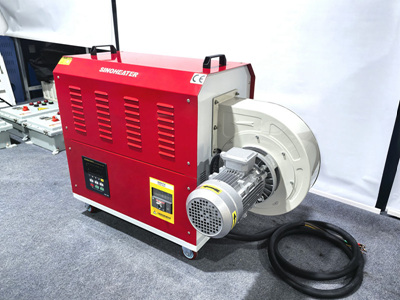
Cleaning and Maintenance of Heat Blowers After Use in Snow- and Ice-Covered Environments
Immediate Post-Use Cleaning Steps
Removing Surface Snow and Ice Accumulation
When a heat blower has been operating in a snow- or ice-covered environment, the first task is to clear away any accumulated snow and ice from its exterior. Heavy snow buildup can block air vents, restricting airflow and reducing the unit’s efficiency. For example, a ski resort maintenance team noticed that their outdoor heat blowers were struggling to produce sufficient heat after a heavy snowfall. Upon inspection, they found that the air intake vents were completely blocked by compacted snow. Using a soft-bristled brush, they gently removed the snow, restoring proper airflow and improving the heat blower’s performance.
Ice formation on the fan blades can also cause significant problems. Ice can unbalance the blades, leading to excessive vibration and potential damage to the motor. A construction site crew working in a cold region encountered this issue when their heat blower’s fan blades were coated with a thick layer of ice. They used a plastic scraper to carefully remove the ice, taking care not to scratch the blades. This simple action prevented further mechanical issues and ensured the unit continued to operate smoothly.
Checking for Water Ingress in Electrical Components
Snow and ice melting can result in water seeping into the electrical components of the heat blower, posing a risk of short circuits or electrical failures. After clearing away the snow and ice, inspect all electrical connections, terminals, and wiring harnesses for signs of moisture. A warehouse in a cold climate experienced electrical problems with their heat blower after a snowstorm. Upon investigation, they discovered that water had entered the control panel through a small gap. By drying the affected components with a hairdryer on a low setting and sealing the gap with silicone caulk, they resolved the issue and prevented future water ingress.
It’s also important to check the insulation on electrical cables for any signs of damage caused by freezing and thawing cycles. Ice formation can expand and contract, potentially cracking the insulation and exposing the wires. A mining operation team found that some of their heat blower’s cables had developed cracks in the insulation after repeated exposure to snow and ice. They replaced the damaged cables with new ones, ensuring the electrical system remained safe and reliable.
Inspecting Mechanical Parts for Ice-Related Damage
Ice can cause mechanical parts of the heat blower to freeze or become stuck, leading to operational issues. Check the fan motor, bearings, and other moving parts for any signs of ice buildup or stiffness. A marine research vessel’s heat blower stopped working after being exposed to icy conditions at sea. The crew discovered that ice had formed around the fan motor, preventing it from rotating freely. They used a heat gun on a low setting to gently melt the ice, taking care not to overheat the motor. Once the ice was removed, the heat blower resumed normal operation.
In addition to ice buildup, snow and ice can also cause physical damage to mechanical parts. For example, falling ice chunks can dent or deform the casing of the heat blower, affecting its structural integrity. A construction site in a mountainous area noticed that their heat blower’s casing had been damaged by falling ice. They reinforced the damaged area with metal patches and applied a protective coating to prevent further corrosion, ensuring the unit could continue to withstand harsh weather conditions.
Long-Term Maintenance for Cold-Weather Durability
Lubricating Moving Parts to Prevent Freezing
Regular lubrication of moving parts is essential to prevent them from freezing in cold temperatures. Cold weather can cause lubricants to thicken or solidify, increasing friction and wear on components such as fan bearings and motor shafts. A ski lodge maintenance staff followed a strict lubrication schedule for their heat blowers, applying a high-quality, cold-resistant lubricant to all moving parts every three months. This proactive approach reduced the risk of freezing and extended the lifespan of the mechanical components.
When selecting a lubricant, choose one that is specifically designed for low-temperature applications. These lubricants remain fluid even in extremely cold conditions, ensuring smooth operation of the moving parts. A cold storage facility found that using a standard lubricant in their heat blowers led to frequent breakdowns during winter. After switching to a cold-resistant lubricant, they experienced fewer mechanical issues and lower maintenance costs.
Protecting Electrical Components from Cold-Induced Stress
Cold temperatures can cause electrical components to contract, potentially leading to loose connections or cracked insulation. To protect against these issues, ensure that all electrical connections are tight and secure. A power plant in a northern region regularly inspected the electrical connections of their heat blowers, tightening any loose bolts or screws. This simple maintenance task prevented electrical failures caused by cold-induced stress on the connections.
In addition to checking connections, consider using thermal insulation materials to protect electrical components from extreme cold. Thermal wraps or sleeves can be applied to cables and wiring harnesses to maintain a more stable temperature, reducing the risk of insulation damage. A telecommunications company used thermal insulation on the electrical cables of their outdoor heat blowers, significantly reducing the number of cable failures during winter months.
Storing the Heat Blower Properly During Off-Seasons
If the heat blower will not be used for an extended period, proper storage is crucial to prevent damage from cold and moisture. Store the unit in a dry, sheltered location, such as a garage or storage shed, where it is protected from snow, ice, and direct sunlight. A farming operation stored their heat blowers in a poorly ventilated barn during winter, resulting in rust formation on the metal components due to condensation. After moving the units to a well-ventilated storage area and covering them with breathable tarps, they prevented further rusting and ensured the heat blowers were ready for use the following season.
Before storing the heat blower, clean it thoroughly to remove any dirt, debris, or moisture. Disconnect the power source and drain any water from internal components, such as the cooling system if applicable. A construction company followed these steps before storing their heat blowers for the winter, reducing the risk of corrosion and mechanical issues when they were put back into service.
Enhancing Performance in Future Cold-Weather Operations
Upgrading Air Filters for Improved Efficiency in Snowy Conditions
In snowy environments, air filters can quickly become clogged with snow particles and debris, reducing the heat blower’s efficiency. Upgrading to a high-efficiency air filter designed for cold-weather use can help maintain optimal airflow and performance. A ski resort replaced their standard air filters with cold-weather filters that had a finer mesh to trap snow particles more effectively. This upgrade resulted in a noticeable improvement in the heat blower’s heating output and energy efficiency.
Regularly inspect and replace air filters according to the manufacturer’s recommendations, especially after heavy snowfall. A manufacturing plant in a cold region found that by replacing their air filters more frequently during winter, they could keep their heat blowers running at peak performance and reduce energy consumption.
Adjusting Fan Speed Settings for Cold-Weather Operation
The fan speed of the heat blower may need to be adjusted for optimal performance in cold weather. In extremely cold conditions, a lower fan speed can help prevent cold air from being drawn in too quickly, allowing the unit to maintain a more consistent temperature. A research station in Antarctica adjusted the fan speed of their heat blowers based on the outside temperature, finding that a lower speed setting was more effective in keeping the interior warm without overworking the unit.
Conversely, in milder cold conditions, a higher fan speed may be necessary to distribute heat more evenly throughout the space. Experiment with different fan speed settings to find the optimal balance for your specific environment and heating requirements. A commercial building manager in a cold climate tested various fan speeds on their heat blowers and determined that a medium speed setting provided the best combination of heat distribution and energy efficiency.
Monitoring Performance Metrics for Early Issue Detection
Regularly monitoring the performance metrics of the heat blower, such as temperature output, airflow rate, and energy consumption, can help detect potential issues early. Sudden changes in these metrics may indicate a problem, such as a clogged air filter, a malfunctioning fan motor, or water ingress in electrical components. A data center in a cold region used monitoring software to track the performance of their heat blowers in real-time. When they noticed a drop in temperature output, they quickly identified a clogged air filter as the cause and replaced it, preventing further performance degradation.
Set up alerts or notifications based on predefined performance thresholds to be promptly informed of any abnormalities. This proactive approach allows for timely maintenance and repairs, reducing the risk of major breakdowns and ensuring the heat blower continues to operate reliably in cold-weather conditions.


