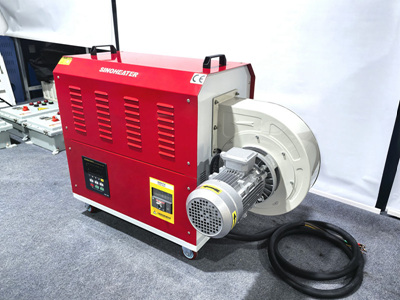
Drainage Measures for Hot Air Blowers in River – Crossing Environments
Understanding the Impact of River – Crossing Conditions
When hot air blowers are used in areas where rivers are crossed, they are exposed to a unique set of environmental factors. The presence of water, high humidity, and potential flooding risks can significantly affect the performance and longevity of the equipment. The moisture in the air can lead to condensation inside the blower, causing corrosion of internal components. Additionally, during heavy rainfall or flooding, water may directly enter the blower, leading to electrical malfunctions or short – circuits. Therefore, effective drainage measures are essential to ensure the safe and reliable operation of hot air blowers in such environments.
Assessing the Water Ingress Points
The first step in implementing drainage measures is to identify the potential points where water can enter the hot air blower. Common entry points include the air inlets and outlets, which are designed to allow air circulation but can also be vulnerable to water splashes or flooding. The seams and joints of the blower housing are another area of concern, as gaps or cracks can provide an easy path for water to seep in. Additionally, any external control panels or electrical connections should be carefully examined, as water ingress in these areas can cause serious damage to the electrical system.
Evaluating the Surrounding Topography
The topography of the river – crossing area plays a crucial role in determining the drainage requirements. If the hot air blower is installed on a low – lying area near the river, it is more susceptible to flooding. In such cases, the drainage system should be designed to handle large volumes of water quickly. On the other hand, if the installation site is on a slope, the natural flow of water can be utilized to direct it away from the blower. However, it is still necessary to ensure that there are no low – lying spots around the blower where water can accumulate.
Designing Effective Drainage Systems
Once the potential water ingress points and the surrounding topography have been assessed, an appropriate drainage system can be designed to protect the hot air blower.
Elevated Installation Platforms
One of the most effective ways to prevent water from entering the hot air blower is to install it on an elevated platform. The platform should be constructed using non – corrosive materials such as concrete or stainless steel to withstand the moist environment. The height of the platform should be determined based on the expected flood level in the area. By raising the blower above the ground level, the risk of water flooding the equipment is significantly reduced. Additionally, the platform should have a slight slope to allow any water that does splash onto it to drain away easily.
Drainage Channels and Sumps
Installing drainage channels around the base of the hot air blower can help collect and direct water away from the equipment. These channels should be designed with a sufficient slope to ensure proper water flow. At the end of the drainage channels, a sump can be installed to collect the water. The sump should be equipped with a pump to remove the water when it reaches a certain level. The pump should be selected based on the expected water volume and should be designed to operate automatically to prevent water from overflowing the sump.
Waterproofing Measures for Air Inlets and Outlets
To prevent water from entering through the air inlets and outlets, waterproof covers or deflectors can be installed. These covers should be designed to allow air to pass through while blocking water splashes. For example, a louvered design can be used for the covers, which allows air to flow in a specific direction while preventing water from entering directly. Additionally, mesh screens can be installed inside the air inlets and outlets to filter out debris and further reduce the risk of water ingress.
Regular Maintenance of Drainage Systems
Regular maintenance is crucial to ensure the effectiveness of the drainage measures for hot air blowers in river – crossing environments.
Cleaning Drainage Channels and Sumps
Over time, debris such as leaves, dirt, and small stones can accumulate in the drainage channels and sumps, blocking the water flow. Regular cleaning of these components is necessary to prevent clogging. The frequency of cleaning depends on the amount of debris in the area and the local weather conditions. In areas with high levels of debris, more frequent cleaning may be required. During the cleaning process, any damaged or worn – out parts of the drainage system should be repaired or replaced immediately.
Inspecting Waterproofing Components
The waterproof covers and deflectors installed on the air inlets and outlets should be inspected regularly for signs of damage or wear. Cracks or gaps in these components can allow water to enter the blower, compromising its performance. If any damage is detected, the affected parts should be repaired or replaced as soon as possible. Additionally, the mesh screens inside the air inlets and outlets should be cleaned regularly to ensure proper airflow and prevent blockages.
Testing Pump Functionality
If a sump pump is installed as part of the drainage system, its functionality should be tested regularly. This can be done by manually filling the sump with water and observing whether the pump starts automatically and removes the water efficiently. The pump’s electrical connections should also be checked to ensure they are secure and free from corrosion. Regular testing and maintenance of the pump can prevent it from failing during a flooding event, which could lead to significant damage to the hot air blower.