
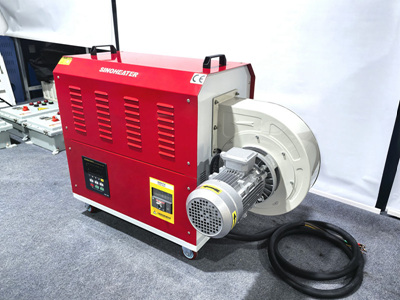
Dust and Wind Protection Maintenance for Heat Blowers After Use in Sandy Environments
Understanding the Impact of Sand and Wind on Heat Blowers
Heat blowers operating in windy, sandy areas face unique challenges that can significantly reduce their lifespan and efficiency. Sand particles, carried by strong winds, can infiltrate the unit’s intake vents, clogging filters and damaging internal components like fans, motors, and heating elements. For example, a construction site in a desert region reported that its portable heat blowers required frequent repairs after sand particles jammed the fan blades, causing overheating and motor failure.
Wind can also exacerbate the problem by increasing the velocity of sand particles, making them more abrasive. A mining operation observed that its rooftop heat blowers suffered accelerated wear on their outer casings due to constant sandblasting from high winds, leading to cracks and corrosion. These issues highlight the need for proactive dust and wind protection measures to ensure reliable performance.
Physical Barriers to Block Sand Infiltration
Installing High-Efficiency Air Filters
One of the most effective ways to prevent sand from entering heat blowers is by using high-efficiency particulate air (HEPA) or multi-layer filters designed for harsh environments. These filters can trap fine sand particles, preventing them from reaching sensitive components. A workshop in a coastal area with sandy winds installed HEPA filters on its heat blowers and noticed a 50% reduction in dust-related maintenance calls within three months.
Regularly inspect and replace filters to maintain their effectiveness. Clogged filters restrict airflow, forcing the unit to work harder and potentially overheating. A warehouse technician checked its heat blower’s filters weekly during a sandstorm season and replaced them every two weeks, ensuring optimal performance without interruptions.
Sealing Gaps and Openings in the Housing
Sand can enter through even small gaps or cracks in the heat blower’s housing. Use weatherstripping, silicone sealant, or metal flashing to seal these openings. A farm in a windy region applied silicone sealant around the edges of its outdoor heat blower’s housing after discovering sand had accumulated inside the control panel, causing electrical shorts.
Pay special attention to areas where pipes or cables enter the unit, as these are common entry points for sand. A factory used rubber grommets to seal cable entries on its heat blowers, preventing sand from infiltrating through the wiring holes. Ensure that seals remain flexible and intact, as hardened or cracked seals lose their effectiveness over time.
Using Protective Covers for Outdoor Units
For heat blowers installed outdoors, consider using custom-fitted protective covers made from durable, breathable materials like canvas or polyester. These covers shield the unit from direct sand exposure while allowing airflow to prevent moisture buildup. A park installed covers on its heat blowers during sandstorm seasons and found that the units required less cleaning and had fewer internal sand deposits compared to uncovered units.
Choose covers with adjustable straps or fasteners to ensure a snug fit, preventing wind from blowing them off. A camping site used covers with Velcro closures on its portable heat blowers, allowing quick removal for use and easy reattachment for storage. Remove covers periodically to inspect the unit and clean any accumulated sand from the cover’s surface.
Internal Cleaning and Component Maintenance
Regularly Cleaning the Fan and Motor Assembly
Sand particles that bypass filters can settle inside the fan and motor assembly, causing friction and wear. Use a soft brush or compressed air to gently remove sand from these components. A mechanic at an automotive repair shop cleaned the fan blades of its heat blower monthly after noticing reduced airflow due to sand buildup, restoring the unit’s efficiency.
Avoid using water or harsh chemicals, as they can damage electrical parts or promote corrosion. A HVAC technician used a dry brush to clean the motor of a heat blower in a sandy industrial area, preventing short circuits caused by moisture from cleaning solutions. If sand is deeply embedded, consider disassembling the assembly for thorough cleaning, but ensure proper reassembly to maintain performance.
Inspecting and Lubricating Moving Parts
Sand can act as an abrasive, wearing down bearings, gears, and other moving parts. Regularly inspect these components for signs of wear, such as unusual noises or vibrations. A manufacturing plant noticed grinding sounds from its heat blower’s fan bearings after months of operation in a sandy environment and replaced them before complete failure occurred.
Lubricate moving parts with high-quality, sand-resistant lubricants to reduce friction and extend their lifespan. A construction company used graphite-based lubricant on the gears of its heat blowers, as it resists sand contamination better than traditional oils. Follow the manufacturer’s recommendations for lubrication intervals and types to avoid over-lubricating, which can attract more dust.
Checking Electrical Connections for Sand Contamination
Sand particles can settle on electrical connections, creating resistance or causing short circuits. Use a dry cloth or brush to gently clean connectors, terminals, and wiring harnesses. A technician at a solar farm cleaned the electrical contacts of its heat blowers after sandstorms, preventing intermittent operation caused by poor connections.
Inspect insulation for cracks or wear, as sand can erode protective coatings over time. A mining operation found that sand had worn through the insulation on its heat blower’s power cables, exposing the wires and posing a safety hazard. Replace damaged insulation immediately and consider using cable protectors or conduits in high-sand areas.
Operational Adjustments to Minimize Sand Exposure
Positioning Heat Blowers Away from Direct Sand Sources
Place heat blowers in locations where they are less exposed to direct sand sources, such as downwind of sand dunes, construction sites, or unpaved roads. A beachside restaurant repositioned its outdoor heat blowers away from the shoreline after sand accumulated inside the units, reducing cleaning frequency by 70%.
If relocation is not possible, use natural barriers like walls, hedges, or earth mounds to shield the units from wind-driven sand. A farm created a sandbreak using stacked hay bales around its heat blowers, deflecting sand and protecting the equipment. Ensure that barriers do not obstruct airflow or access for maintenance.
Adjusting Airflow Settings to Reduce Sand Intake
Lowering the fan speed can reduce the amount of sand drawn into the heat blower, especially during sandstorms or high-wind conditions. A warehouse operator reduced the fan speed of its heat blowers during a sandstorm and noticed fewer sand particles inside the unit afterward. However, avoid setting the speed too low, as this can compromise heating efficiency.
Some heat blowers allow for directional airflow adjustment. Point the intake vents away from prevailing winds or sand sources to minimize infiltration. A factory adjusted the intake direction of its rooftop heat blowers to face away from a nearby unpaved parking lot, reducing sand intake by 40%.
Scheduling Operations During Low-Sand Periods
If possible, schedule heat blower use during times when sand activity is minimal, such as early mornings or after rainfall when sand is less likely to be airborne. A desert research station ran its heat blowers at night when winds were calmer, reducing sand-related maintenance compared to daytime operation.
Monitor weather forecasts for sandstorms or high-wind warnings and shut down heat blowers temporarily if exposure is unavoidable. A construction crew paused work and turned off its heat blowers during a sandstorm, preventing damage to the units and ensuring worker safety.
By implementing physical barriers, internal maintenance routines, and operational adjustments, heat blowers can operate reliably in sandy, windy environments, minimizing downtime and extending their service life.


