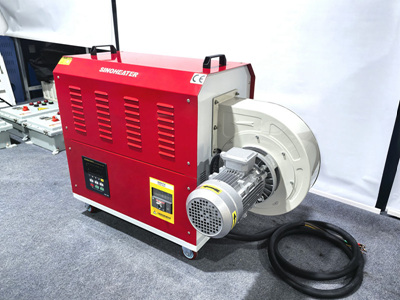
Fixed Hot Air Blowers: Durable Solutions for Long-Term Heating Applications
For environments requiring consistent, uninterrupted heating over extended periods, fixed hot air blowers provide a reliable and efficient solution. Unlike portable models designed for temporary use, these units are permanently installed and optimized for durability, energy efficiency, and minimal maintenance. Below, we explore the design considerations for fixed installations, their applications across industries, and strategies to maximize their lifespan.
Key Design Features for Permanent Installations
Fixed hot air blowers are engineered to withstand years of continuous operation while delivering uniform heat distribution. Their design prioritizes stability, accessibility, and integration with existing infrastructure.
Robust Housing and Mounting Systems
To endure vibrations, temperature fluctuations, and environmental factors like dust or moisture, fixed blowers feature heavy-duty housings made from galvanized steel or stainless steel. These materials resist corrosion and physical damage, ensuring longevity even in harsh conditions. Mounting brackets or flanges allow secure attachment to walls, ceilings, or floors, preventing movement during operation. For example, a blower installed in a manufacturing plant might be bolted to a concrete wall to handle the vibrations from nearby machinery.
Optimized Airflow Pathways
Fixed blowers incorporate strategically designed ductwork or diffusers to direct heated air efficiently. Unlike portable units that rely on short-range dispersion, permanent installations often use rigid or flexible ducts to channel air to specific zones. This minimizes heat loss and ensures even coverage across large spaces. Adjustable louvers or dampers further refine airflow direction, enabling users to adapt to changes in room layout or heating demands without relocating the unit.
Integrated Safety and Control Systems
Long-term reliability depends on built-in safeguards against overheating, electrical faults, or airflow blockages. Fixed blowers typically include thermal cutoffs that automatically shut off the heating element if temperatures exceed safe limits. Pressure switches may also be installed to detect clogged filters or blocked ducts, triggering alarms or shutdowns to prevent damage. Additionally, programmable thermostats or PID controllers maintain precise temperature settings, reducing energy waste and wear on components.
Industries Relying on Fixed Heating Systems
The stability and efficiency of fixed hot air blowers make them indispensable in sectors where heating is a critical, ongoing process. Here are three areas where these systems excel.
Industrial Manufacturing and Processing
Factories producing metals, plastics, or chemicals often require precise temperature control for processes like curing, drying, or heat treating. Fixed blowers provide consistent heat to ovens, kilns, or reaction chambers, ensuring product quality and reducing defects. For instance, a paint-curing line might use a permanently installed blower to maintain a steady 150°F, preventing uneven drying that could lead to cracking or peeling.
Commercial Building Heating
Large commercial spaces like warehouses, showrooms, or gymnasiums need cost-effective heating solutions that operate silently and reliably. Fixed blowers integrated into HVAC systems can supplement central heating during peak demand or serve as standalone units in areas with high ceilings where traditional radiators are ineffective. Their ability to direct warm air downward counteracts heat stratification, keeping occupants comfortable without overheating the upper levels.
Agricultural and Horticultural Facilities
Greenhouses, livestock barns, and crop storage facilities demand controlled environments to optimize growth or preserve produce. Fixed blowers regulate temperatures and humidity levels year-round, protecting plants from frost or animals from cold stress. In a greenhouse, for example, a blower might circulate warm air near the roots of plants during winter nights, then switch to ventilation mode in summer to prevent overheating.
Maintenance Strategies for Longevity
To ensure fixed hot air blowers operate efficiently for decades, users should implement proactive maintenance routines tailored to their installation environment.
Regular Filter Cleaning or Replacement
Dust, pollen, or industrial particles can clog air filters, restricting airflow and forcing the blower to work harder. In dusty environments like factories or barns, filters should be inspected monthly and cleaned or replaced as needed. High-efficiency particulate air (HEPA) filters may be used in sensitive settings like cleanrooms to maintain air quality while protecting internal components.
Inspection of Electrical Connections and Components
Vibrations or thermal expansion can loosen electrical terminals over time, increasing resistance and the risk of overheating. During annual maintenance checks, technicians should tighten all connections, inspect wiring for fraying or insulation damage, and test grounding systems. Capacitors, relays, and contactors should also be examined for signs of wear or corrosion, as these components are critical for starting and running the blower motor.
Ductwork and Airflow Verification
Blocked or leaking ducts waste energy and reduce heating effectiveness. Periodically inspect duct joints for gaps or tears, sealing them with mastic or metal tape. Use an anemometer to measure airflow velocity at vents, ensuring it matches design specifications. If airflow is inconsistent, check for obstructions like nesting animals or stored materials blocking duct openings.
Advanced Technologies Enhancing Fixed Blower Performance
Modern fixed hot air blowers incorporate innovative features to improve energy efficiency, reduce emissions, and simplify operation.
Variable-Speed Drives (VSDs) for Energy Savings
VSDs adjust the blower motor’s speed based on heating demand, rather than running at full capacity constantly. For example, a warehouse might require less heat during sunny days or when fewer workers are present. By slowing the motor, VSDs cut energy consumption by up to 30% while maintaining comfortable temperatures. This technology also reduces wear on mechanical components, extending the blower’s service life.
Remote Monitoring and Diagnostics
IoT-enabled blowers allow facility managers to track performance metrics like temperature output, airflow, and energy usage via cloud-based platforms. Sensors detect anomalies like unusual vibrations or temperature spikes, triggering alerts before minor issues escalate into costly repairs. Some systems even predict maintenance needs based on usage patterns, enabling scheduled servicing during off-peak hours to minimize downtime.
Eco-Friendly Refrigerants and Heat Recovery
In facilities requiring both heating and cooling, heat recovery systems capture waste heat from the blower’s exhaust and repurpose it for other processes, such as preheating water or warming incoming air. This reduces overall energy consumption and lowers carbon footprints. Additionally, manufacturers are transitioning to low-global-warming-potential (GWP) refrigerants in heat pump-based blowers, aligning with global sustainability goals.
Fixed hot air blowers offer a durable, efficient solution for environments where heating is a non-negotiable, long-term requirement. By combining rugged design, precise control systems, and proactive maintenance, these units deliver reliable performance for decades. Whether warming an industrial plant, a commercial space, or an agricultural facility, their ability to integrate seamlessly into existing infrastructure makes them a cornerstone of modern heating strategies.