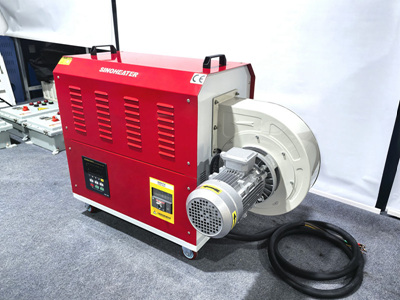
Flood Prevention Measures for Hot Air Blowers in Flood-Prone Environments
Hot air blowers, commonly used in industrial and commercial settings for heating or drying purposes, are vulnerable to flood damage. In areas prone to flooding, implementing effective flood prevention measures is crucial to ensure the safety and longevity of these devices. Below are detailed strategies to safeguard hot air blowers from flood-related risks.
Site Selection and Layout Considerations
Elevated Installation
When installing hot air blowers in flood-prone regions, it is advisable to elevate the equipment above the expected flood level. This can be achieved by placing the unit on a raised platform or within a building with a higher floor level. Elevating the equipment reduces the likelihood of water ingress, protecting critical components from damage.
Proper Drainage Systems
Ensure that the installation site has adequate drainage systems in place. This includes installing drains around the base of the hot air blower to quickly remove any accumulated water. Regular maintenance of these drainage systems is essential to prevent blockages that could lead to water pooling and subsequent flooding.
Avoid Low-Lying Areas
Steer clear of installing hot air blowers in low-lying areas or basements that are susceptible to flooding. If relocation is not feasible, consider implementing additional flood protection measures, such as constructing flood barriers or using waterproof enclosures.
Equipment Protection and Maintenance
Waterproof Enclosures
For hot air blowers installed in areas where flooding cannot be entirely avoided, consider using waterproof enclosures. These enclosures are designed to withstand water ingress, protecting the internal components of the equipment from damage. Ensure that the enclosures are properly sealed and regularly inspected for any signs of wear or damage.
Regular Inspection and Maintenance
Conduct regular inspections of the hot air blower and its associated components to identify any potential issues before they escalate into major problems. This includes checking for signs of water damage, corrosion, or wear and tear on electrical connections and mechanical parts. Regular maintenance, such as cleaning filters and lubricating moving parts, can also help extend the lifespan of the equipment.
Emergency Shutdown Procedures
Develop and implement emergency shutdown procedures for the hot air blower in the event of a flood warning. This includes having a clear plan for quickly disconnecting the power supply and shutting down the equipment to prevent electrical shorts or other damage. Train personnel on these procedures to ensure a swift and effective response during an emergency.
Flood Response and Recovery
Flood Monitoring and Warning Systems
Install flood monitoring and warning systems in the vicinity of the hot air blower. These systems can provide early alerts of rising water levels, allowing for timely action to be taken to protect the equipment. Consider integrating these systems with the facility’s overall emergency management plan to ensure a coordinated response.
Post-Flood Inspection and Repair
After a flood event, conduct a thorough inspection of the hot air blower to assess any damage sustained. This includes checking for water ingress, corrosion, and damage to electrical components. If any damage is detected, follow the manufacturer’s guidelines for repair or replacement of affected parts. Do not attempt to restart the equipment until it has been thoroughly inspected and deemed safe to operate.
Data Backup and Recovery
In the event of a flood, there is a risk of data loss from the hot air blower’s control system or other electronic components. Implement a data backup and recovery plan to ensure that critical operational data is not lost. This may involve regularly backing up data to a secure, off-site location and having procedures in place for restoring data after a flood event.
By implementing these flood prevention measures, businesses and organizations can significantly reduce the risk of damage to their hot air blowers in flood-prone environments. Proactive planning, regular maintenance, and a swift response to flood warnings are key to ensuring the safety and reliability of these essential pieces of equipment.