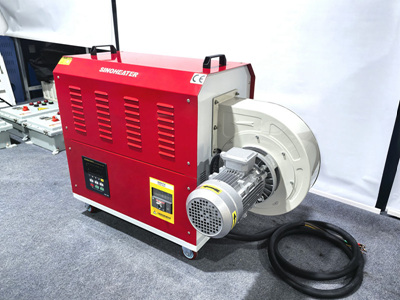
Greenhouse Heating Solutions: Ensuring Optimal Conditions for Plant Seedling Growth
Maintaining consistent warmth in greenhouse environments is critical for successful plant propagation, especially during early growth stages. Thermal air blowers provide an efficient way to regulate temperatures, protect delicate seedlings from cold stress, and promote healthy root development. This guide explores how to implement these systems effectively for year-round plant cultivation.
Understanding Temperature Requirements for Seedling Development
Critical Temperature Ranges for Different Crops
Most seedlings thrive in temperatures between 65–75°F (18–24°C), though specific needs vary by species. For example, tropical plants like tomatoes or peppers prefer warmer conditions closer to 75°F (24°C), while cool-season crops like lettuce or cabbage perform best around 60–65°F (15–18°C). Consistent warmth accelerates germination and prevents damping-off diseases caused by cold, damp soil.
The Risks of Temperature Fluctuations
Sudden drops in temperature stunt seedling growth, weaken stems, and delay flowering. Prolonged exposure to cold can even kill young plants before they establish robust root systems. Conversely, overheating dries out soil and foliage, leading to wilting or leaf burn. Thermal blowers mitigate these risks by maintaining stable temperatures, even during nighttime or cloudy days when natural heat gain is minimal.
Humidity and Airflow Balance
While heating is essential, excessive dryness from forced air can harm seedlings. Pair thermal blowers with humidifiers or misting systems to maintain relative humidity between 50–70%. Ensure airflow is gentle enough to avoid desiccating delicate leaves but strong enough to prevent fungal growth in dense plantings. Proper circulation also distributes heat evenly, eliminating cold spots near walls or floors.
Selecting Thermal Blowers for Greenhouse Applications
Sizing Heating Systems for Greenhouse Dimensions
Calculate heating needs based on the greenhouse’s square footage, ceiling height, and insulation quality. Larger structures with high ceilings require higher-capacity units to counteract heat rising away from plant zones. Poorly insulated greenhouses or those in harsh climates need systems with greater output to compensate for heat loss through glazing or structural gaps.
Energy Efficiency Considerations
Electric thermal blowers offer precise temperature control and clean operation, making them ideal for smaller greenhouses or urban farming setups. Gas-powered models provide higher heat output for larger spaces and can function during power outages. Some growers use hybrid systems that switch between energy sources based on cost or availability, optimizing long-term operational expenses.
Noise and Airflow Distribution
Seedlings are sensitive to drafts and loud noises, which can disrupt growth or damage fragile stems. Choose blowers with insulated housings or variable-speed motors to minimize operational noise. Position units to create gentle, horizontal airflow that warms plants without causing physical stress. Avoid directing hot air directly onto seedlings to prevent overheating or soil drying.
Installation and Operational Best Practices
Strategic Placement for Uniform Heating
Install thermal blowers near the center of the greenhouse or along perimeter walls, depending on layout. For long, narrow structures, place units at regular intervals to ensure even heat distribution. In multi-tiered growing systems, aim airflow upward to warm lower shelves without scorching top-level plants. Use deflectors or ducting to direct heat away from doors or vents where cold air enters.
Integrating with Automated Climate Controls
Modern thermal blowers can sync with greenhouse management systems to adjust temperatures based on outside weather, time of day, or plant growth stage. For example, systems might lower heat at night when solar gain decreases or raise it during cold snaps. Smart sensors can also detect humidity levels, triggering misting systems or adjusting ventilation to maintain ideal conditions.
Regular Maintenance for Reliable Performance
Dust and debris from potting mix or plant debris can clog heating elements or fans, reducing efficiency. Schedule weekly visual checks to clear blockages and monthly deep cleaning of filters and vents. Inspect electrical connections annually to prevent shorts, and lubricate moving parts to reduce wear. Well-maintained systems operate quietly and last longer, protecting your investment in seedling health.
Adapting to Seasonal and Crop-Specific Needs
Adjusting for Plant Growth Stages
Seedlings require warmer conditions than mature plants. Use adjustable shelving or zone heating to create microclimates within the greenhouse. For example, keep areas near heaters slightly warmer for germinating trays while allowing cooler zones for hardened-off seedlings ready for transplanting. Gradually reduce temperatures as plants grow to encourage sturdy stems and prepare them for outdoor conditions.
Managing Seasonal Variations
Winter heating demands are obvious, but summer brings its own challenges. In hot climates, thermal blowers can double as ventilation aids by circulating cooler night air during temperature dips. During transitional seasons, use programmable settings to reduce heating during warmer days and ramp it up at night. This flexibility prevents overheating while maintaining comfort year-round.
Long-Term Upgrades for Sustainability
As greenhouses expand or crop diversity increases, heating systems may need upgrades. Consider adding double-layer glazing or thermal curtains to retain heat better. Retrofit older units with energy-efficient motors or smart controls to reduce operational costs. For eco-conscious growers, explore renewable energy options like solar-powered heaters to supplement traditional systems.
By prioritizing precise temperature control, gentle airflow, and seasonal adaptability, thermal air blowers create a stable environment that supports healthy seedling development. Regular monitoring and maintenance ensure these systems continue to deliver reliable performance, helping growers achieve higher germination rates and stronger, more resilient plants.