
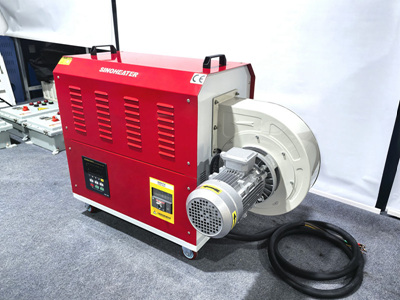
Grounding Maintenance for Hot Air Blowers in Electrostatically Charged Environments
Hot air blowers operating in environments prone to static electricity accumulation—such as manufacturing facilities handling synthetic materials, cleanrooms, or areas with low humidity—require careful grounding maintenance to prevent electrical hazards and ensure safe operation. Static charges can build up on the device’s housing, components, or surrounding surfaces, leading to sparks, equipment malfunctions, or even fires. Below are detailed steps to inspect, repair, and enhance grounding systems for hot air blowers in these settings.
Identifying Grounding Issues in Static-Prone Settings
Static electricity generation often stems from friction between materials, rapid airflow, or inadequate humidity control. In environments where hot air blowers are used, these factors can combine to create charged surfaces that disrupt normal operation. Common signs of grounding problems include intermittent device shutdowns, visible sparks near the blower, or tingling sensations when touching the housing. These symptoms indicate that static charges are not being safely dissipated to the ground, posing risks to both personnel and equipment.
To diagnose grounding issues, start by visually inspecting the blower’s grounding wire or strap. Look for loose connections, frayed insulation, or corrosion at attachment points, such as the device’s chassis or grounding rod. Use a multimeter set to continuity mode to test the electrical path between the blower’s grounding terminal and a known ground point, like a metal pipe or structural beam. A lack of continuity suggests a broken wire or improper installation, requiring immediate attention.
Environmental factors also play a role in grounding effectiveness. Dust or conductive particles in the air can settle on insulated surfaces, creating unintended pathways for static discharge. Similarly, high humidity levels may reduce static buildup but can corrode metal components over time, weakening grounding connections. Assess the workspace for these variables and adjust maintenance practices accordingly to maintain reliable grounding.
Repairing and Reinforcing Grounding Connections
Once grounding issues are identified, prioritize repairs to restore safe operation. Begin by disconnecting the hot air blower from its power source to avoid electrical shocks during maintenance. For loose grounding wires, tighten the connection at both the blower’s terminal and the grounding point using a wrench or screwdriver, ensuring a snug fit without over-tightening. If the wire is frayed or damaged, cut away the affected section and splice in a new length of copper wire of the same gauge, securing it with heat-shrink tubing or electrical tape rated for high temperatures.
Corroded grounding points require cleaning to ensure proper conductivity. Use a wire brush or sandpaper to remove rust or oxidation from metal surfaces, then wipe them down with a cloth dampened with isopropyl alcohol to eliminate residue. Apply a thin layer of anti-corrosion paste or dielectric grease to the cleaned area before reattaching the grounding wire, as this helps prevent future corrosion and maintains a stable connection.
In cases where the original grounding system is insufficient—such as in areas with poor soil conductivity or long distances between the blower and grounding rod—consider upgrading to a more robust solution. This may involve installing additional grounding rods driven deeper into the earth, connecting multiple rods with heavy-duty copper wire, or using grounding plates to increase surface contact. Consult local electrical codes or a professional electrician to ensure compliance with safety standards during upgrades.
Implementing Preventive Measures to Sustain Grounding Integrity
Proactive maintenance is key to preventing grounding failures in static-prone environments. Schedule regular inspections of the grounding system, ideally monthly or quarterly depending on usage intensity. During these checks, verify that all connections remain tight, wires are intact, and corrosion has not recurred. Pay special attention to areas where wires bend or rub against other components, as these spots are prone to wear and tear.
Environmental controls can also reduce static buildup and ease grounding demands. Maintain humidity levels between 40% and 60% using humidifiers or dehumidifiers, as this range minimizes both static generation and corrosion risks. Install ionizers or static dissipative mats in workstations near the hot air blower to neutralize charges before they accumulate. Additionally, ensure that nearby equipment, such as conveyor belts or workbenches, is properly grounded to avoid creating secondary sources of static that could affect the blower.
Training personnel on static safety practices further enhances grounding reliability. Educate operators on the importance of avoiding synthetic clothing, which generates static, and encourage the use of grounded wrist straps or footwear when working near the blower. Establish protocols for reporting grounding issues immediately, such as sparking or erratic device behavior, so that maintenance teams can address problems before they escalate. By combining these preventive strategies with regular upkeep, users can create a safer, more reliable operating environment for hot air blowers in electrostatic settings.


