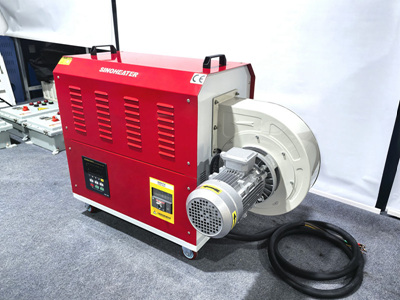
Achieving Energy Efficiency with Low-Power Hot Air Blowers
In an era where energy costs and environmental impact are top concerns, optimizing heating systems for efficiency has become a priority for businesses and homeowners alike. Hot air blowers designed for low-power operation offer a sustainable solution by minimizing electricity consumption without compromising performance. These systems achieve this through advanced engineering, smart controls, and innovative design features that reduce waste and maximize heat output per watt.
Key Technologies Behind Energy-Efficient Operation
Energy-efficient hot air blowers rely on several core technologies to lower power usage. One of the most critical is the use of high-efficiency heating elements, such as ceramic or PTC (Positive Temperature Coefficient) resistors, which convert electrical energy into heat with minimal losses. Unlike traditional wire-coil elements, these materials heat up faster and maintain consistent temperatures, reducing the need for prolonged operation.
Another essential component is the variable-speed motor. By adjusting the fan speed based on real-time heating demands, these motors avoid the energy waste associated with running at full capacity constantly. For example, during milder weather, the motor can operate at a lower speed to maintain comfortable temperatures while consuming less power.
Smart Thermostats and Automated Controls
Modern low-power hot air blowers integrate intelligent thermostats that monitor ambient temperatures and adjust heating output accordingly. These systems use algorithms to learn usage patterns, predicting when heat will be needed and activating the blower only when necessary. In a warehouse setting, this might mean preheating the space before workers arrive and scaling back during off-hours.
Some models also feature occupancy sensors that detect movement and adjust airflow or temperature settings in unoccupied zones. This zonal heating approach prevents energy waste by avoiding overheating areas that aren’t in use, such as storage rooms or conference spaces during non-meeting times.
Aerodynamic Design for Reduced Drag
The physical design of the blower plays a significant role in energy efficiency. Streamlined housings and optimized air ducts minimize airflow resistance, allowing the fan to move heated air with less effort. This reduces the motor’s workload and, consequently, its power consumption. Additionally, noise-reducing features like insulated casings and vibration-dampening mounts ensure quiet operation without requiring higher power settings to overcome mechanical resistance.
Practical Strategies for Lowering Energy Consumption
Beyond technological advancements, there are several operational strategies users can employ to enhance the energy efficiency of hot air blowers. One effective method is regular maintenance, as dust buildup on heating elements or fan blades can reduce efficiency by up to 15%. Cleaning filters and inspecting components monthly ensures optimal airflow and heat transfer.
Proper Sizing and Placement
Selecting the right-sized blower for the space is crucial. An oversized unit will cycle on and off frequently, wasting energy during startup, while an undersized model will run continuously, struggling to maintain temperatures. Conducting a heat load calculation based on room dimensions, insulation, and usage patterns helps determine the ideal capacity.
Placement also matters. Positioning the blower near the center of the area to be heated ensures even distribution without requiring excessive airflow. In large spaces, using multiple smaller units instead of one large blower can improve efficiency by allowing targeted heating of specific zones.
Utilizing Natural Heat Sources
Combining hot air blowers with passive heating strategies can further reduce power usage. For instance, leveraging sunlight through south-facing windows during the day can supplement artificial heating, allowing the blower to operate at lower settings. Similarly, using thermal curtains or insulation to retain heat at night minimizes the need for continuous operation.
In industrial settings, waste heat recovery systems can capture excess heat from machinery or processes and redirect it through the blower’s ductwork. This approach turns otherwise wasted energy into usable warmth, cutting overall electricity consumption.
Overcoming Challenges in Low-Power Heating
Despite their benefits, low-power hot air blowers face certain challenges. One is the perception that reduced power means lower performance. However, advancements in heating element technology and airflow design have closed this gap, enabling modern units to deliver the same warmth as higher-wattage models while using less energy.
Another challenge is initial cost. While energy-efficient blowers may have a higher upfront price, the long-term savings on electricity bills often justify the investment. Businesses can calculate the payback period by comparing annual energy consumption between standard and efficient models.
Finally, compatibility with existing infrastructure can be a concern. Older buildings may require ductwork modifications or electrical upgrades to support advanced features like variable-speed motors or smart controls. Working with a professional installer ensures seamless integration and optimal performance.
The Future of Energy-Efficient Heating
As sustainability becomes a global priority, the development of low-power hot air blowers continues to accelerate. Innovations like AI-driven predictive heating, which adjusts settings based on weather forecasts and historical usage data, are on the horizon. These systems will further refine energy consumption by anticipating demand rather than reacting to it.
Renewable energy integration is another promising area. Solar-powered blowers and hybrid systems that switch between grid electricity and on-site generation are gaining traction, offering off-grid capabilities and reducing reliance on fossil fuels.
By adopting low-power hot air blowers and implementing smart operational practices, users can achieve significant energy savings without sacrificing comfort or productivity. Whether in residential, commercial, or industrial settings, these systems represent a step toward a more sustainable and cost-effective approach to heating. As technology evolves, the potential for even greater efficiency gains ensures that low-power heating will remain a cornerstone of energy-conscious design for years to come.