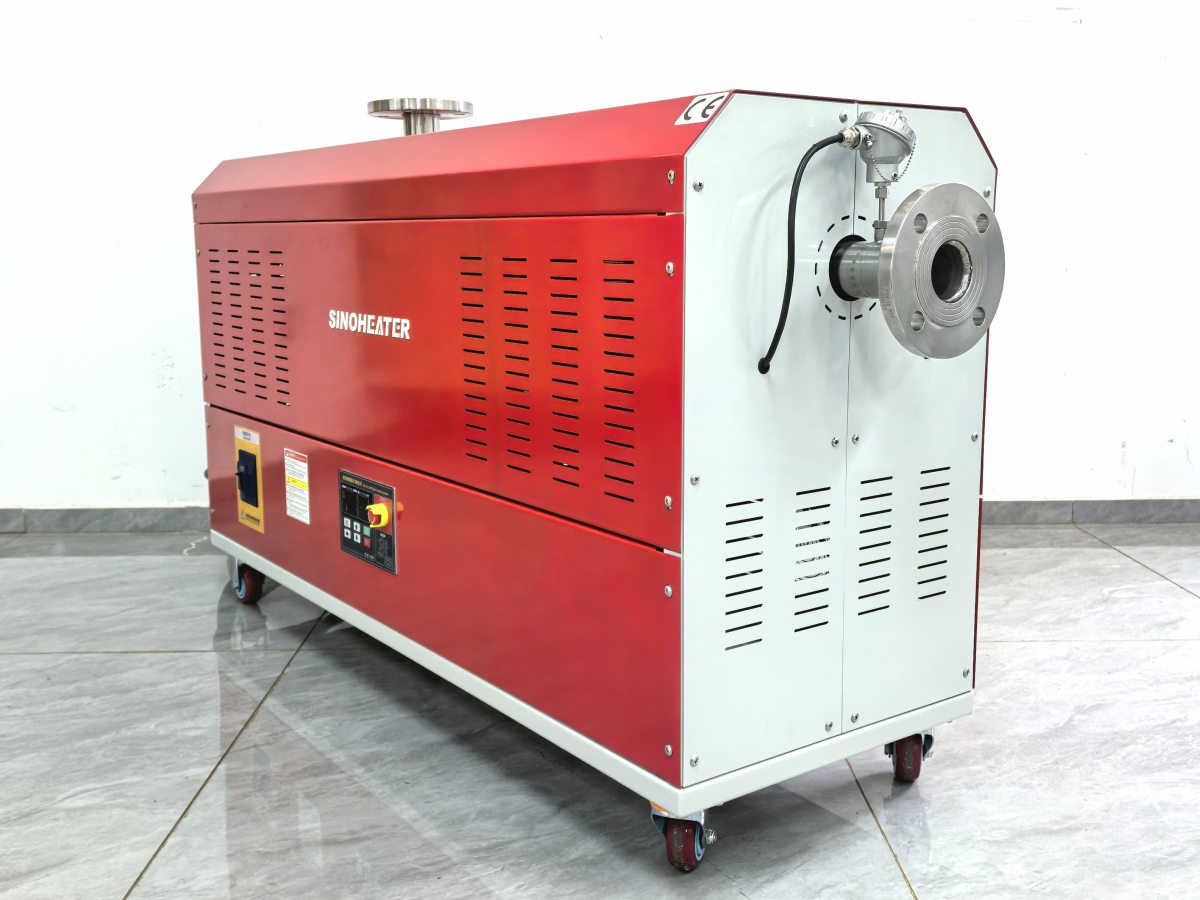
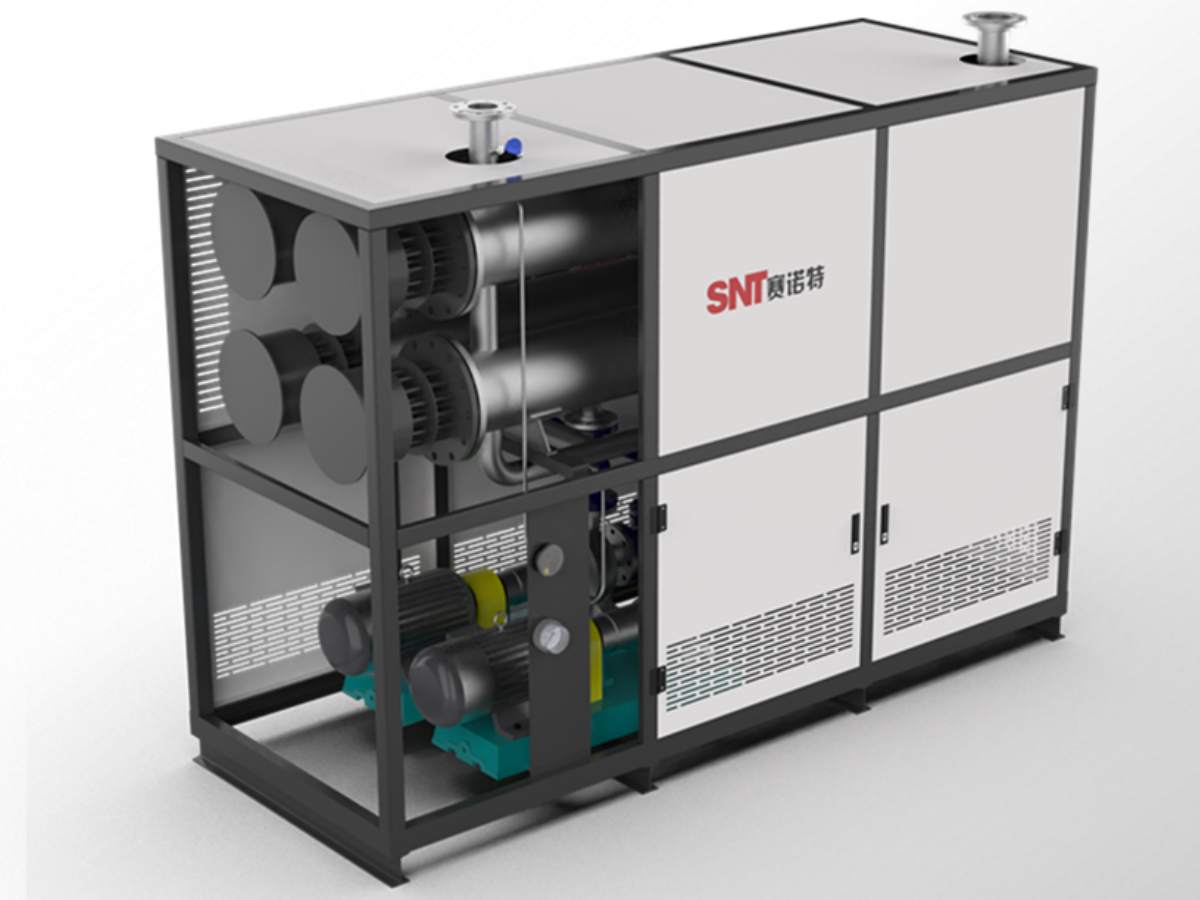
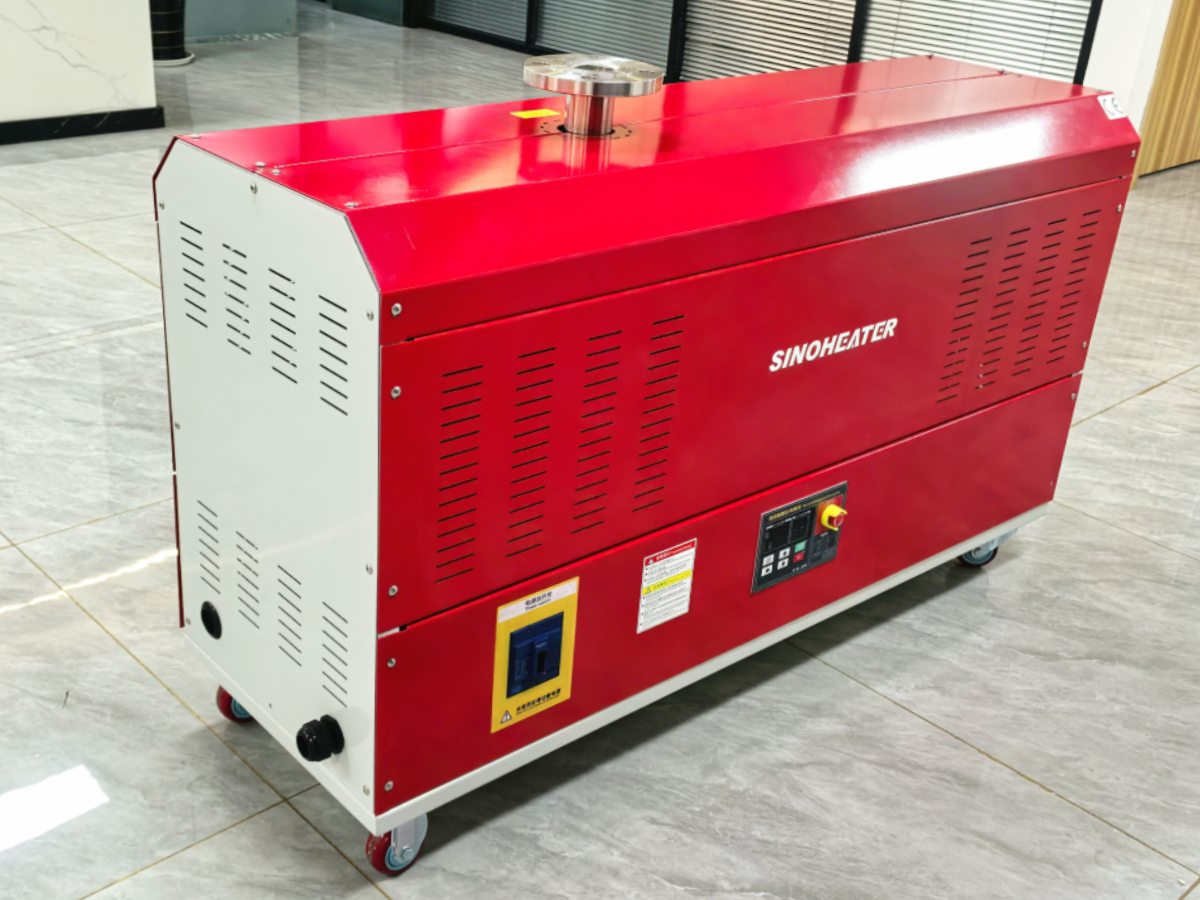
When it comes to prolonged heating tasks that run for hours on end, consistent performance of a hot air blower directly impacts work efficiency and final output quality. Users across construction, industrial processing and home renovation scenarios often face the same pain points: unexpected temperature drops, sudden automatic shutdowns or overheating damage after 2 to 3 hours of continuous operation. A well-designed stable heating mechanism solves these core problems, making long-running operations far more reliable and worry-free.
Internal airflow circulation optimization
The first layer of stability support comes from a fully reworked internal airflow path that eliminates local heat buildup. Air enters the unit through a widened, dust-resistant inlet at the bottom, flows evenly across the heating element surface without forming dead zones, and carries generated heat straight to the nozzle while pulling excess internal waste heat away from sensitive electronic components. This directional flow prevents the motor and control circuit board from being baked by stray high temperatures even when the blower runs nonstop for 6 to 8 hours. The airflow structure also reduces uneven heat distribution on the heating wire, so no single section of the element bears excessive thermal load during extended use.
Dynamic temperature calibration system
Real-time adjustment capabilities form the second core part of the long-run stability mechanism. Multiple high-precision temperature sensors are arranged at key points near the heating element, air outlet and internal cavity, collecting data every 0.2 seconds to track subtle changes in heat output. When ambient temperature rises or the inlet gets slightly blocked by fine dust, the system automatically adjusts power output to keep the outlet temperature within a narrow preset range, instead of letting it drift up or down by 50 degrees or more. This closed-loop calibration avoids frequent overheating triggers that force the unit to pause for cooling, and maintains steady heat delivery even in fluctuating working environments.
High-durability thermal material configuration
Material selection lays the long-term foundation for continuous heating reliability. The heating core uses materials with excellent thermal fatigue resistance that can withstand thousands of hours of repeated high-temperature cycling without obvious oxidation or deformation. All internal wiring near high-heat areas is wrapped with high-grade insulation layers that stay structurally stable under prolonged exposure to constant high temperatures, preventing melting, cracking or short circuit risks. The connection points between the heating element and power lines are designed to minimize thermal resistance, so no local overheating occurs at these critical junctions even after days of accumulated continuous use.
Overload protection logic for extended operation
Specialized protection rules are tailored for long-duration heating scenarios, different from the simple one-size-fits-all overheat shutoff used in ordinary consumer models. Instead of cutting power completely when a minor temperature fluctuation is detected, the system first activates auxiliary cooling measures and makes small power adjustments to keep the blower running. Only when abnormal conditions persist beyond a safe threshold will it trigger a gentle, controlled shutdown to protect internal parts. This logic avoids unnecessary work interruptions during long continuous tasks, while still providing full coverage for safety risks that could cause permanent component damage.
Every part of this stability mechanism works in coordination, rather than operating as isolated separate features. The optimized airflow helps the temperature sensors get more accurate readings, the dynamic calibration system reduces unnecessary thermal stress on the durable heating materials, and the targeted protection rules make sure all components stay within their safe working limits during every hour of nonstop operation. This integrated design delivers consistent, reliable heating performance that holds up even under the most demanding long-duration working conditions.