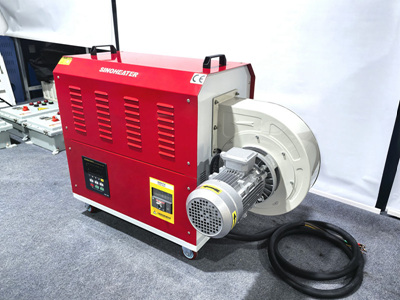
Enhanced Safety Features in Hot Air Blowers: Protecting Against Burns and Electrical Hazards
When selecting a hot air blower for residential, commercial, or industrial use, safety should always be a top priority. Modern designs incorporate multiple layers of protection to prevent burns, electrical shocks, and other risks associated with high-temperature heating equipment. These features range from physical barriers to intelligent monitoring systems, ensuring users can operate the device with confidence in any environment.
Physical Barriers and Heat Insulation
One of the most fundamental safety measures in hot air blowers is the use of heat-resistant materials and insulation. The outer casing of these devices is typically constructed from durable plastics or metals that can withstand prolonged exposure to high temperatures without deforming or melting. Additionally, internal components are often shielded by insulating layers that prevent heat from transferring to the exterior surface.
Double-Walled Design for Reduced Surface Temperature
Many advanced models employ a double-walled construction, where an air gap or insulating material separates the inner heating chamber from the outer casing. This design significantly reduces the surface temperature of the blower, even during extended operation. For example, while the internal heating element may reach several hundred degrees Celsius, the outer surface remains cool enough to touch without causing burns, making it safer for households with children or pets.
Grille Placement and Size Optimization
The placement and design of air intake and exhaust grilles also play a crucial role in preventing accidental contact with hot components. Grilles are strategically positioned to ensure that fingers or objects cannot reach the heating element or fan blades. Additionally, the size of the grille openings is carefully calculated to balance airflow efficiency with safety—small enough to block access but large enough to avoid clogging or overheating.
Electrical Safety Mechanisms
Electrical hazards, such as short circuits or overheating, pose significant risks in any heating appliance. To mitigate these dangers, hot air blowers integrate several electrical safety features that monitor and regulate power flow.
Overcurrent and Overvoltage Protection
Built-in circuit breakers or fuses automatically cut off power if the device detects an abnormal surge in current or voltage. This prevents damage to the internal wiring and reduces the risk of electrical fires. Some models also include surge protectors that shield the blower from power fluctuations caused by lightning strikes or unstable grid connections, ensuring consistent operation even in adverse conditions.
Ground Fault Circuit Interrupter (GFCI) Compatibility
In environments where moisture is present, such as bathrooms, kitchens, or outdoor workshops, GFCI outlets are essential for preventing electrocution. Many hot air blowers are designed to be compatible with GFCI systems, which instantly trip the circuit if they detect a leakage current. This feature is particularly valuable in industrial settings where water or conductive liquids may come into contact with the equipment.
Thermal Cutoff Switches
To prevent overheating, thermal cutoff switches are installed near critical components like the motor or heating element. These switches monitor temperature levels and shut down the device if they exceed safe thresholds. Unlike manual reset buttons, some thermal cutoffs require the blower to cool down completely before restarting, ensuring that the issue is resolved before operation resumes.
Intelligent Monitoring and User Alerts
Beyond physical and electrical safeguards, modern hot air blowers leverage smart technology to provide real-time feedback and prevent accidents before they occur. These systems use sensors and algorithms to detect potential issues and alert users through visual or auditory signals.
Tip-Over Detection and Auto Shut-Off
In portable models, tip-over sensors are a common safety feature. These sensors use accelerometers or gyroscopes to detect sudden changes in orientation, such as the blower being knocked over. If this happens, the device automatically cuts power to the heating element and fan, reducing the risk of fire or burns from contact with a hot surface.
Blockage Detection and Airflow Monitoring
Clogged air filters or obstructed vents can cause overheating by restricting airflow. Some blowers include sensors that monitor airflow velocity and alert users when maintenance is needed. If the blockage persists, the system may reduce power output or shut down entirely to prevent damage. This proactive approach extends the lifespan of the device while minimizing safety risks.
Error Codes and Diagnostic Lights
For easier troubleshooting, many models feature LED indicators or digital displays that show error codes when something goes wrong. These codes correspond to specific issues, such as a faulty thermostat or a malfunctioning sensor, allowing users to address problems quickly without guessing. Some advanced systems even send notifications to a connected smartphone or tablet, enabling remote monitoring and control.
Practical Safety Tips for Users
While manufacturers design hot air blowers with safety in mind, users also play a critical role in preventing accidents. Simple precautions can enhance the effectiveness of built-in protections and ensure safe operation.
Regular Maintenance and Inspection
Cleaning air filters and checking for loose wires or damaged components should be part of a routine maintenance schedule. Dust buildup on the heating element or fan can reduce efficiency and increase the risk of overheating, while frayed cords or cracked casings may expose users to electrical hazards.
Proper Placement and Ventilation
Hot air blowers should always be placed on stable, level surfaces away from flammable materials like curtains, paper, or furniture. Adequate ventilation is also essential to prevent heat accumulation, especially in enclosed spaces. Users should avoid covering the device or blocking air intake/exhaust vents during operation.
Supervision During Use
Never leave a hot air blower unattended, especially in areas accessible to children or pets. Even with safety features like tip-over detection, prolonged exposure to high temperatures can still pose risks. Turning off the device when not in use and unplugging it from the outlet adds an extra layer of protection.
The Future of Safety in Hot Air Blowers
As technology evolves, so do the safety features of hot air blowers. Future innovations may include biometric sensors that detect unauthorized use, self-diagnosing systems that predict component failures before they happen, or even AI-driven algorithms that adjust safety protocols based on user behavior patterns.
Wireless connectivity will also play a larger role, allowing users to monitor and control their blowers remotely while receiving real-time safety alerts. Integration with smart home ecosystems could enable automatic shutdowns if other connected devices, like smoke detectors, detect potential hazards.
By combining robust physical protections, advanced electrical safeguards, and intelligent monitoring systems, hot air blowers are becoming safer than ever before. These multi-layered approaches ensure that users can enjoy efficient heating without compromising on safety, whether in a cozy home, a busy office, or a demanding industrial setting.