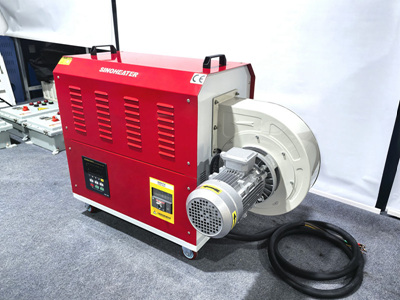
Efficient Nighttime Heating Solutions for Bedrooms Using Portable Heaters
Creating a cozy and warm bedroom environment during colder nights is essential for restful sleep and overall comfort. While central heating systems may not always provide consistent warmth in individual rooms, portable heaters offer a flexible and energy-efficient alternative. Here’s how to optimize bedroom heating without relying on brand-specific recommendations or complex installations.
Choosing the Right Heater Type for Bedroom Use
Understanding Different Heating Technologies
Portable heaters come in various designs, each suited to specific needs. Convection heaters warm the air gradually, making them ideal for enclosed spaces like bedrooms where steady, even heat is desired. Radiant heaters emit infrared warmth, directly heating objects and people in their path—perfect for targeting a bed or seating area without overheating the entire room. Fan-forced models circulate heated air quickly, which can be useful for larger bedrooms but may produce more noise.
Prioritizing Quiet Operation for Undisturbed Sleep
Since bedrooms require minimal noise, opt for heaters with low decibel ratings. Look for models labeled “quiet” or “silent,” which typically use slower fan speeds or advanced motor designs to reduce operational sound. Avoid heaters with loud fans or clicking mechanisms that could disrupt sleep, especially for light sleepers.
Selecting Safety Features for Peace of Mind
Safety is critical in bedrooms, where heaters may run unattended for hours. Choose models with automatic shut-off if tipped over, overheat protection, and cool-touch exteriors to prevent accidental burns. Ensure the heater is certified by a recognized safety standard organization to guarantee reliability.
Optimizing Heater Placement and Usage
Positioning the Heater for Maximum Efficiency
Place the heater in a central location, away from foot traffic and flammable materials like curtains or bedding. For targeted warmth, position it near the bed but at a safe distance to avoid direct contact. Avoid placing heaters on unstable surfaces or carpets, which can block airflow and increase fire risk. If using a radiant heater, angle it slightly downward to direct heat toward the sleeping area.
Using Timers for Automated Control
Many portable heaters feature built-in timers, allowing users to schedule operation during sleep hours. Set the heater to turn on 30 minutes before bedtime for a pre-warmed room, then adjust it to lower settings or shut off after a few hours to conserve energy. This approach maintains comfort without running the heater all night.
Layering Bedding for Added Insulation
Complement the heater’s warmth by using thermal blankets, flannel sheets, or down comforters to trap heat. Layering bedding reduces the heater’s workload, as less energy is needed to maintain a comfortable temperature. Encourage household members to wear socks or thermal sleepwear to further retain body heat.
Maintaining Air Quality and Energy Efficiency
Balancing Humidity Levels
Heaters can dry out indoor air, leading to discomfort or respiratory issues. Use a humidifier alongside the heater to maintain optimal humidity (around 40–60%). Alternatively, place a bowl of water near the heater’s vent to increase moisture naturally. Avoid overheating the room, as excessively dry air can counteract the benefits of warmth.
Ventilating the Bedroom Properly
While sealing drafts is important for energy efficiency, ensure the bedroom has adequate ventilation to prevent stale air. Crack a window slightly or use a trickle vent to allow fresh air circulation without losing significant heat. This balance supports healthy indoor air quality while maintaining warmth.
Reducing Heat Loss Through Simple Upgrades
Check for drafts around windows and doors, and seal gaps with weatherstripping or draft stoppers. Heavy curtains can also help retain heat by creating an insulating barrier against cold glass. If the bedroom is above an unheated space like a garage, consider adding rugs or carpeting to minimize heat loss through the floor.
Long-Term Strategies for Sustainable Bedroom Heating
Improving Overall Home Insulation
While portable heaters provide immediate relief, addressing insulation issues can reduce long-term heating needs. Upgrade attic insulation, seal ductwork leaks, and ensure walls are properly insulated to prevent heat from escaping. These improvements lower energy costs and create a more consistent indoor climate.
Scheduling Regular Heater Maintenance
Clean the heater’s filter or vents monthly to ensure optimal performance. Dust buildup can reduce efficiency and increase energy consumption. For models with removable filters, wash them gently with soap and water, then dry completely before reinstalling.
Adjusting Thermostat Settings for Nighttime Use
If using central heating alongside a portable heater, lower the thermostat by a few degrees at night to save energy. The portable heater can compensate for the reduced central heating, focusing warmth where it’s needed most. This strategy reduces overall heating costs without sacrificing comfort.
By combining targeted heater use with strategic insulation and maintenance practices, households can create a warm, safe, and energy-efficient bedroom environment. These solutions prioritize comfort and sustainability, ensuring restful nights even during the coldest seasons.