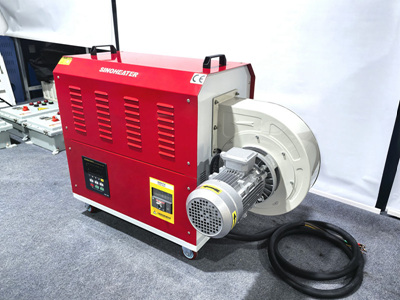
Installing Protective Screens for Hot Air Blowers in Bird – Active Environments
Understanding the Threats Posed by Birds to Hot Air Blowers
When hot air blowers are placed in areas with significant bird activity, they are exposed to a range of potential issues. Birds may build nests in or around the equipment, which can obstruct the airflow. Nests made of twigs, leaves, and feathers can block the air inlets and outlets, reducing the efficiency of the blower and potentially causing overheating. Additionally, birds may drop debris such as feathers and droppings onto the hot air blower. These substances can accumulate over time, clogging filters and affecting the overall performance of the system. In some cases, birds may even collide with the fan blades, leading to damage to both the birds and the blower.
Identifying High – Risk Areas for Bird Activity
Before installing protective screens, it’s important to identify the areas around the hot air blower that are most likely to attract birds. Nearby trees, bushes, or ledges can serve as perching spots for birds, increasing the likelihood of them approaching the equipment. Also, if the hot air blower is located near a water source or an area with abundant food, such as a garden or a field, it may attract more birds. By understanding these high – risk areas, you can focus your efforts on installing screens in the most critical locations.
Assessing the Impact of Bird Species
Different bird species have different behaviors and habits, which can affect the type of protection needed for the hot air blower. For example, larger birds may cause more significant damage if they collide with the fan blades, while smaller birds may be more likely to build nests in tight spaces. Some birds are also more aggressive in defending their territories, which could lead to repeated attempts to access the hot air blower. By researching the local bird species and their characteristics, you can better tailor the protective screen installation to address the specific threats.
Selecting the Right Type of Protective Screens
Choosing the appropriate protective screens is crucial for effectively safeguarding the hot air blower from bird – related issues.
Mesh Size Considerations
The mesh size of the protective screen is a key factor. It should be small enough to prevent birds from entering the hot air blower while still allowing sufficient airflow. A mesh size that is too large may allow small birds or debris to pass through, while a mesh size that is too small can restrict the airflow, reducing the efficiency of the blower. Generally, a mesh size of around 1 – 2 centimeters is a good starting point, but this may need to be adjusted based on the local bird species and the specific requirements of the hot air blower.
Material Durability
The material of the protective screen should be durable enough to withstand the elements and potential damage from birds. Common materials include stainless steel, galvanized steel, and plastic. Stainless steel is highly resistant to corrosion and can last for a long time, making it a good choice for outdoor applications. Galvanized steel is also corrosion – resistant and relatively affordable. Plastic screens are lightweight and easy to install, but they may not be as durable as metal screens and may need to be replaced more frequently.
Screen Shape and Design
The shape and design of the protective screen should be compatible with the hot air blower. It should fit snugly around the air inlets and outlets without creating any gaps that birds could exploit. Some screens may have a flat design, while others may be curved or angled to better conform to the shape of the equipment. Additionally, the screen should be easy to remove and clean, as regular maintenance is necessary to ensure its effectiveness.
Proper Installation of Protective Screens
Once the right protective screens have been selected, proper installation is essential to ensure their effectiveness.
Pre – Installation Preparation
Before installing the screens, clean the area around the hot air blower to remove any debris, nests, or droppings. This will provide a clean surface for the screens to be attached to and prevent any existing issues from getting worse. Also, check the condition of the hot air blower itself, ensuring that there are no loose parts or damage that could affect the installation process.
Secure Attachment Methods
Use appropriate attachment methods to secure the protective screens to the hot air blower. This may include using screws, bolts, or clips, depending on the type of screen and the design of the equipment. Make sure the attachments are tight and secure to prevent the screens from coming loose over time. If using screws or bolts, use corrosion – resistant materials to ensure long – term durability.
Regular Inspection and Maintenance
After the protective screens are installed, regular inspection and maintenance are necessary. Check the screens for any signs of damage, such as holes or tears, which could allow birds to enter. Also, clean the screens regularly to remove any accumulated debris, feathers, or droppings. This will help maintain proper airflow and ensure the continued effectiveness of the screens. If any damage is found during the inspection, repair or replace the screens as soon as possible to prevent further problems.