
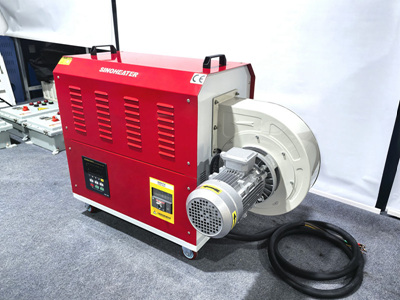
Smart Hot Air Blowers: Precision Temperature Control and Automatic Scheduling for Effortless Comfort
Staying warm during colder months shouldn’t mean sacrificing convenience or energy efficiency. Smart hot air blowers equipped with automatic temperature regulation and timed on/off functions are transforming how we heat our spaces. These devices combine advanced sensors, intuitive programming, and user-friendly interfaces to deliver consistent warmth without manual intervention. Below, we explore how these features work, their practical benefits, and tips for optimizing their performance.
How Automatic Temperature Control Works in Smart Hot Air Blowers
The core of a smart hot air blower’s efficiency lies in its ability to maintain a set temperature with minimal fluctuation. This is achieved through a combination of sensors, algorithms, and responsive heating elements.
Real-Time Temperature Monitoring
Modern smart blowers use high-precision thermistors or infrared sensors to continuously measure the ambient temperature. These sensors are strategically placed to avoid drafts or direct heat sources, ensuring accurate readings. For example, a sensor mounted near the air outlet might adjust for heat dissipation, while another near the intake monitors incoming air temperature.
Dynamic Heating Adjustment
Once the desired temperature is set via a digital interface or mobile app, the blower’s internal control system compares real-time readings against the target. If the room cools, the heating element ramps up power to compensate; if it warms, the system reduces output or cycles off briefly. This prevents overheating and energy waste, creating a stable, comfortable environment.
Learning Algorithms for Adaptive Performance
Some advanced models incorporate machine learning to analyze usage patterns over time. For instance, if you consistently lower the temperature at bedtime, the blower may automatically suggest or implement a nighttime setting. Similarly, it can adjust for seasonal changes or frequent door openings by anticipating heat loss.
The Advantages of Timed On/Off Functionality
Scheduled operation is a standout feature of smart hot air blowers, offering convenience and cost savings. Here’s why it matters:
Energy Efficiency and Cost Reduction
By programming the blower to run only when needed, you avoid unnecessary energy consumption. For example, setting it to turn on 30 minutes before you wake up ensures a warm bedroom without running all night. Similarly, scheduling shutdowns during work hours or when the house is empty prevents wasted power.
Enhanced Safety and Peace of Mind
Forgetting to turn off a heater is a common safety concern. Timed shutdowns eliminate this risk, automatically powering down the unit after a set period. This is especially valuable for families with children or pets, reducing the chance of accidental burns or fires.
Customized Comfort for Daily Routines
Whether you prefer a cozy living room for morning coffee or a toasty bathroom before showers, timed settings let you tailor heating to your schedule. Some models even support multiple schedules per day, adapting to shifts in work or leisure activities.
Remote Access and Control
Many smart blowers sync with mobile apps, allowing you to adjust schedules or temperatures from anywhere. Forgot to turn off the heater before leaving home? A few taps on your phone solve the problem. Planning to arrive home late? Delay the startup time to save energy.
Optimizing Your Smart Hot Air Blower’s Performance
To get the most out of your device’s automatic features, follow these practical tips:
Calibrate Sensors for Accuracy
Over time, dust or debris can interfere with temperature sensors, leading to incorrect readings. Regularly clean the sensor area with a soft, dry cloth to maintain precision. If your blower supports calibration, perform this step annually to ensure it aligns with external thermometers.
Set Realistic Temperature Targets
Avoid extreme settings, as they force the blower to work harder and cycle more frequently, which can strain components and reduce efficiency. Aim for a comfortable range (e.g., 68–72°F or 20–22°C) and adjust gradually if needed.
Combine Scheduling with Zoning
If your blower supports multiple zones or rooms, program each area based on usage. For example, heat the bedroom an hour before bedtime but keep the guest room off until needed. This prevents heating unused spaces and lowers overall energy use.
Use Eco Mode for Long-Term Savings
Many smart blowers offer an “eco” or “energy-saving” mode that prioritizes efficiency over rapid heating. While it may take slightly longer to reach the target temperature, this mode reduces power consumption by minimizing peak output and leveraging natural heat retention in the room.
Regularly Update Firmware
Manufacturers often release software updates to improve sensor accuracy, refine scheduling algorithms, or add new features. Check for updates monthly via the blower’s app or control panel to ensure optimal performance.
Troubleshooting Common Issues with Automatic Features
Even well-designed smart blowers can encounter glitches. Here’s how to address typical problems:
Inconsistent Temperature Maintenance
If the room feels too hot or cold despite the set temperature, check for drafts or blocked vents. Airflow obstructions can disrupt sensor readings, causing the blower to over- or under-correct. Ensure furniture or curtains aren’t blocking the unit’s intake or outlet.
Scheduling Failures
If the blower doesn’t turn on or off as programmed, verify the time and date settings in the app or control panel. Some models sync with internet time servers, but manual clocks may drift. Also, check for power interruptions that could reset schedules.
Unresponsive Controls
If the digital interface or app stops responding, restart the blower by unplugging it for 30 seconds, then plugging it back in. For persistent issues, consult the user manual for factory reset instructions or contact customer support.
Sensor Errors
If the display shows erratic temperature readings or error codes related to sensors, clean the sensor area thoroughly. If the problem persists, the sensor may need replacement—a task best handled by a professional technician.
Conclusion
Smart hot air blowers with automatic temperature control and timed scheduling redefine home heating by blending convenience, safety, and efficiency. By leveraging real-time monitoring, adaptive algorithms, and customizable schedules, these devices ensure consistent warmth without constant manual adjustments. Whether you’re looking to reduce energy bills, enhance safety, or simplify daily routines, integrating a smart blower into your home is a step toward smarter, more comfortable living. With proper calibration, strategic scheduling, and regular maintenance, your device will deliver reliable performance for years to come.


