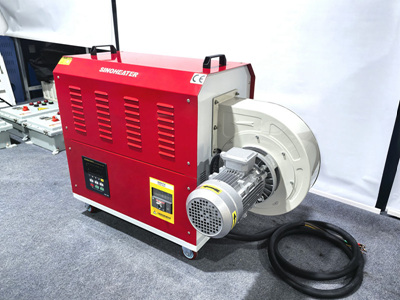
Smart Temperature Control and Automatic Power Adjustment in Hot Air Blowers
In environments where precise heating is essential—from residential spaces to industrial facilities—hot air blowers equipped with smart temperature control and automatic power adjustment offer unmatched efficiency and comfort. These systems leverage advanced sensors, algorithms, and variable-speed technology to maintain consistent temperatures while optimizing energy use. By dynamically adjusting power output based on real-time conditions, they eliminate the guesswork of manual settings and reduce wasted energy, ensuring optimal performance without overheating or underheating.
How Smart Temperature Control Works
At the heart of intelligent heating is the ability to monitor and respond to environmental changes. Modern hot air blowers integrate high-precision temperature sensors that continuously scan the surrounding air. These sensors feed data to a microprocessor, which analyzes the information against user-defined settings or learned preferences. If the room temperature drops below the target, the system increases power to the heating element and fan speed to distribute warmth faster. Conversely, if the space becomes too warm, it reduces output to avoid discomfort and energy waste.
Adaptive Learning Algorithms
Some systems go beyond basic thermostats by incorporating machine learning. Over time, these blowers analyze patterns in temperature fluctuations, occupancy, and even external weather conditions to predict heating needs. For instance, if the system notices that a room consistently cools down at 6 p.m. during winter, it may preemptively increase power shortly before that time. This proactive approach minimizes temperature swings and ensures consistent comfort without constant manual adjustments.
Multi-Zone Sensing Capabilities
In larger spaces, uneven heating can be a challenge. Advanced blowers address this by using multiple sensors placed strategically throughout the area. These sensors communicate with a central control unit that adjusts power distribution based on which zones need more or less heat. For example, in a warehouse with high ceilings, sensors near the floor might detect cooler temperatures and trigger increased airflow, while those near the ceiling reduce output to prevent energy loss through convection.
Automatic Power Adjustment for Energy Efficiency
The ability to vary power output is a game-changer for energy savings. Traditional blowers operate at fixed speeds, often cycling on and off to maintain temperatures. This approach leads to inefficient energy use, as each startup requires a surge of power, and frequent cycling wears out components faster. Smart systems, however, use variable-speed motors and modular heating elements to adjust power incrementally.
Variable-Speed Fan Motors
By modulating fan speed, these blowers match airflow to heating demands. During mild weather, the fan runs at a lower RPM, moving just enough air to maintain comfort while consuming minimal electricity. When temperatures drop significantly, the motor speeds up to circulate heat more rapidly. This gradual adjustment prevents the abrupt temperature changes associated with fixed-speed systems and reduces noise levels, as high-speed operation is reserved only for when it’s truly needed.
Modular Heating Elements
Some designs feature multiple heating coils that can be activated independently. If only a small boost in temperature is required, the system energizes one or two coils instead of all at once. This granular control ensures that no more energy is used than necessary, similar to how a dimmer switch adjusts light intensity. In industrial settings, this approach is particularly valuable, as it allows precise heating of specific areas without overheating others.
Practical Applications and Benefits
The integration of smart temperature control and automatic power adjustment benefits a wide range of users. Homeowners enjoy consistent comfort without constantly tweaking thermostats, while businesses see reduced energy bills and extended equipment lifespans.
Residential Comfort
In homes, these systems adapt to daily routines. For example, they can lower power during the day when occupants are away and ramp up before they return, ensuring a warm welcome without wasting energy. Smartphone integration allows users to monitor and adjust settings remotely, adding convenience and flexibility.
Commercial and Industrial Efficiency
Factories and warehouses face unique heating challenges due to their size and variable occupancy. Smart blowers with zonal control can heat only occupied areas, such as workstations or loading docks, while keeping storage zones at a minimal temperature. This targeted approach slashes energy costs and reduces the environmental impact of large-scale heating operations.
Healthcare and Hospitality
In hospitals or hotels, maintaining precise temperatures is critical for patient comfort or guest satisfaction. Smart systems ensure stable conditions in sensitive areas like operating rooms or guest suites, where even minor fluctuations can be disruptive. The quiet operation of variable-speed fans also enhances the ambiance in noise-sensitive environments.
Overcoming Implementation Challenges
Despite their advantages, adopting smart hot air blowers requires careful consideration. One challenge is ensuring compatibility with existing infrastructure, especially in older buildings. Retrofitting ductwork or electrical systems to support variable-speed motors or multi-zone sensing may involve upfront costs. However, the long-term savings on energy and maintenance often justify the investment.
Another hurdle is user education. Some individuals may be hesitant to trust automated systems, fearing loss of control or unexpected behavior. Manufacturers address this by offering intuitive interfaces and customizable settings that allow users to set preferences or override automatic functions when needed.
Finally, cybersecurity is a concern for connected devices. Ensuring that smart blowers use encrypted communication protocols and regular software updates protects against unauthorized access, giving users peace of mind about their data and system integrity.
The Future of Intelligent Heating
As technology advances, the capabilities of smart hot air blowers will continue to expand. Integration with smart home ecosystems, such as voice assistants or AI-driven energy management platforms, will make them even more user-friendly. Predictive maintenance features, which analyze operational data to detect potential issues before they cause failures, will further reduce downtime and repair costs.
Renewable energy compatibility is another exciting frontier. Future systems may incorporate solar panels or battery storage to power heating elements during peak demand, reducing reliance on the grid. Hybrid models that switch between electricity and alternative fuels like biogas could also emerge, offering flexibility in off-grid or remote locations.
By combining smart temperature control with automatic power adjustment, hot air blowers are transforming how we approach heating. These systems deliver precision, efficiency, and convenience, proving that advanced technology can enhance comfort without compromising sustainability. As adoption grows, they will set new standards for intelligent climate management in homes, businesses, and industries worldwide.