
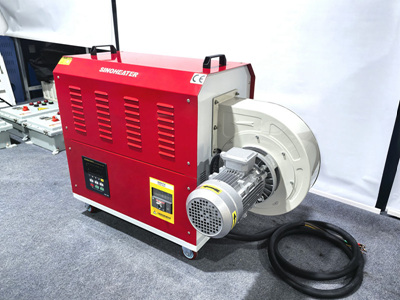
Heating Solutions for Livestock Barns: Maintaining Consistent Temperatures for Animal Health
Creating a stable thermal environment in livestock barns is essential for optimizing animal growth, reducing disease risk, and improving feed efficiency. Thermal air blowers provide a reliable method for achieving uniform heating across large spaces, ensuring comfort for animals while minimizing energy waste. This guide explores how to implement these systems effectively in poultry, swine, or dairy facilities.
Understanding Temperature Needs in Livestock Barns
Optimal Temperature Ranges for Different Animals
Each species has specific thermal requirements. For example, newborn piglets thrive between 85–90°F (29–32°C), while adult hogs prefer 60–70°F (15–21°C). Poultry layers perform best at 65–75°F (18–24°C), with chicks needing warmer conditions around 90–95°F (32–35°C) during their first week. Consistent temperatures within these ranges prevent stress-related behaviors like huddling or reduced feed intake.
The Impact of Temperature Fluctuations
Sudden drops or spikes in barn temperatures weaken immune systems, making animals more susceptible to respiratory infections or digestive issues. Cold stress forces animals to burn extra calories to stay warm, reducing weight gain in meat-producing species or milk production in dairy cows. Thermal blowers mitigate these risks by maintaining steady warmth, even during extreme weather or ventilation changes.
Air Quality and Ventilation Balance
While heating is critical, proper ventilation remains equally important to remove ammonia, dust, and moisture. Thermal blowers can integrate with ventilation systems by using heated air to maintain warmth without compromising air exchange. This balance prevents drafts that chill animals while ensuring fresh air circulation reduces pathogen buildup.
Selecting Thermal Blowers for Livestock Facilities
Calculating Heating Requirements
Determine the barn’s heating needs by considering its size, insulation quality, and local climate. Larger barns with high ceilings require higher-capacity units to counteract heat rising away from animal zones. Poorly insulated structures or regions with harsh winters need systems with greater output to compensate for heat loss through walls and roofs.
Energy Source Options
Electric thermal blowers offer clean operation and precise temperature control, making them ideal for smaller barns or facilities with reliable grid access. Gas-powered models provide higher heat output for larger spaces and can operate independently during power outages. Some farms use hybrid systems that switch between energy sources based on availability or cost fluctuations.
Noise and Airflow Considerations
Livestock are sensitive to loud noises, which can cause stress or disrupt feeding patterns. Choose blowers with insulated housings or variable-speed motors to reduce operational noise. Directional airflow is also crucial—avoid directing hot air directly onto animals to prevent overheating. Instead, position units to create gentle circulation that warms the entire space evenly.
Installation and Operational Strategies
Placement for Maximum Efficiency
Install thermal blowers near animal resting areas but avoid blocking pathways or feed/water stations. For barns with multiple pens, distribute units evenly to ensure all zones receive adequate heat. In high-ceiling facilities, use deflectors or ducted systems to push warm air downward, preventing stratification where heat collects near the roof while floors remain cold.
Integrating with Automated Controls
Modern thermal blowers can sync with barn management systems to adjust temperatures based on animal age, outside weather, or time of day. For example, systems might lower heat at night when animals are less active or raise it during cold snaps. Smart sensors can also detect drafts or ventilation changes, triggering adjustments to maintain consistent warmth.
Regular Maintenance for Reliability
Dust and debris from bedding or feed can clog heating elements or fans, reducing efficiency. Schedule weekly visual checks to clear blockages and monthly deep cleaning of filters and vents. Inspect electrical connections annually to prevent shorts, and lubricate moving parts to reduce wear. Well-maintained systems operate quietly and last longer, protecting your investment in animal comfort.
Adapting to Seasonal and Animal Growth Changes
Adjusting for Animal Life Stages
Young animals need warmer environments than adults. Use adjustable partitions or zone heating to create microclimates within the barn. For example, keep areas near brooders or farrowing crates warmer while allowing cooler zones for older animals. As livestock grow, gradually reduce temperatures to encourage healthy development without causing thermal stress.
Managing Seasonal Variations
Winter heating demands are obvious, but summer brings its own challenges. In hot climates, thermal blowers can double as ventilation aids by circulating cooler night air during temperature dips. During transitional seasons, use programmable settings to reduce heating during warmer days and ramp it up at night. This flexibility prevents overheating while maintaining comfort year-round.
Long-Term Upgrades for Efficiency
As facilities expand or animal populations grow, heating systems may need upgrades. Consider adding insulation to walls or ceilings to retain heat better. Retrofit older units with energy-efficient motors or smart controls to reduce operational costs. For eco-conscious farms, explore renewable energy options like solar-powered heaters to supplement traditional systems.
By prioritizing precise temperature control, quiet operation, and seasonal adaptability, thermal air blowers create a stable environment that supports livestock health and productivity. Regular monitoring and maintenance ensure these systems continue to deliver reliable performance, helping farmers optimize growth rates and reduce disease-related losses.


