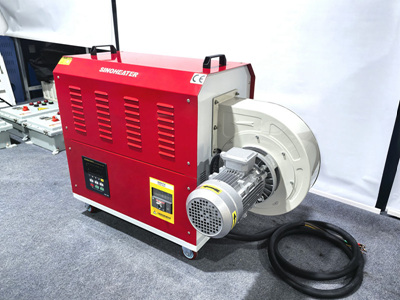
Low-Pressure Hot Air Blowers for Close-Range Heating: A Practical Guide
Low-pressure hot air blowers are specialized devices designed to deliver controlled, low-pressure airflow for efficient heating in confined spaces. Unlike high-pressure systems, these units prioritize steady air distribution over forceful output, making them ideal for applications like workshop warming, greenhouse climate control, or industrial spot heating. Below, we explore their operational principles, key benefits, and considerations for optimal performance.
How Low-Pressure Hot Air Blowers Work
The core mechanism of a low-pressure hot air blower involves converting electrical or mechanical energy into heated airflow through a combination of heating elements and airflow management.
Airflow Generation
Most low-pressure blowers use either centrifugal or axial fan designs. Centrifugal models draw air into a rotating impeller, which accelerates the air outward into a volute casing, increasing pressure slightly before discharge. Axial blowers, on the other hand, rely on propeller-like blades to move air parallel to the shaft, offering higher volume but lower pressure. For heating applications, centrifugal designs are often preferred due to their ability to maintain consistent flow even with backpressure from ductwork or filters.
Heating Integration
The heating element—typically an electric coil, gas burner, or infrared panel—warms the air as it passes through the blower housing. Temperature control is achieved via thermostats or variable power settings, allowing users to adjust heat output based on ambient conditions. Some advanced models incorporate sensors to automatically modulate airflow and temperature, ensuring energy efficiency without sacrificing comfort.
Low-Pressure Advantages
By operating at pressures below 1 bar, these blowers minimize energy waste associated with compressing air to high levels. This makes them quieter, more cost-effective to run, and less prone to wear from mechanical stress. Additionally, their ability to deliver gentle, widespread heat reduces the risk of localized overheating, which is critical in environments with sensitive equipment or materials.
Key Applications for Low-Pressure Heating
The versatility of low-pressure hot air blowers stems from their adaptability to various heating needs. Here are three common use cases:
Industrial Workshop Warming
In manufacturing facilities or automotive garages, maintaining a comfortable working temperature is essential for productivity and safety. Low-pressure blowers can be mounted overhead or along walls to distribute heat evenly across large spaces, eliminating cold spots without creating drafts. Their low noise levels also ensure minimal disruption to conversations or machinery operation.
Agricultural Greenhouse Climate Control
Greenhouses require precise temperature and humidity management to optimize plant growth. Low-pressure blowers excel in this role by circulating warm air gently, preventing condensation on leaves and reducing the risk of fungal diseases. When paired with humidity sensors, they can adjust airflow to maintain ideal conditions for different crops throughout the year.
Temporary Event Heating
For outdoor events like weddings or markets, portable low-pressure blowers offer a flexible heating solution. Their compact size and ease of installation make them ideal for tents or open-air venues where traditional heating systems may be impractical. By directing warm air toward seating areas or walkways, organizers can create a cozy atmosphere without the need for extensive ductwork.
Factors to Consider for Optimal Performance
To maximize the efficiency and lifespan of a low-pressure hot air blower, several factors should be evaluated during setup and operation.
Airflow Volume and Pressure Requirements
The first step is determining the required airflow volume (measured in cubic feet per minute, or CFM) and pressure (in inches of water gauge, or WG) for your space. Larger areas or those with high ceilings will need higher CFM ratings, while applications involving long duct runs may require slightly elevated pressure to overcome resistance. Consulting a professional or using online calculators can help refine these estimates.
Material and Construction
The blower’s housing and internal components should be selected based on the operating environment. For dusty or corrosive settings, stainless steel or coated aluminum housings resist degradation better than standard carbon steel. Similarly, impellers made from reinforced plastics or composites may outlast metal counterparts in humid conditions.
Maintenance and Safety Protocols
Regular maintenance is crucial to prevent downtime and extend the blower’s lifespan. This includes cleaning or replacing air filters to maintain airflow efficiency, inspecting heating elements for signs of wear, and lubricating moving parts as needed. Safety measures like installing guards around fan blades and ensuring proper grounding of electrical components are also non-negotiable to protect users and equipment.
Enhancing Efficiency with Modern Features
Advancements in blower technology have introduced features that further improve performance and usability.
Variable Speed Drives (VSDs)
VSDs allow the blower’s motor speed to adjust dynamically based on demand, reducing energy consumption during periods of lower heating needs. For example, a greenhouse may require full heat output during cold nights but only minimal airflow during sunny mornings. A VSD-equipped blower can seamlessly transition between these modes, cutting electricity costs by up to 30% compared to fixed-speed models.
Smart Controls and IoT Integration
Modern blowers can be integrated with smart building systems or IoT platforms for remote monitoring and control. Users can adjust temperature settings, schedule operation times, or receive alerts about maintenance needs via a smartphone app or web dashboard. This level of automation not only enhances convenience but also enables proactive troubleshooting, minimizing the risk of unexpected failures.
Noise Reduction Technologies
For applications where quiet operation is paramount—such as libraries, hospitals, or residential areas—noise reduction features like acoustic enclosures or vibration-dampening mounts can significantly lower decibel levels. Some manufacturers even offer “whisper-quiet” models designed specifically for noise-sensitive environments.
Low-pressure hot air blowers offer a reliable, energy-efficient solution for close-range heating across diverse industries. By understanding their operational principles, selecting the right model for your needs, and implementing proper maintenance practices, you can ensure consistent performance and long-term cost savings. Whether warming a workshop, nurturing crops, or hosting an event, these versatile devices provide the perfect balance of power and precision.