
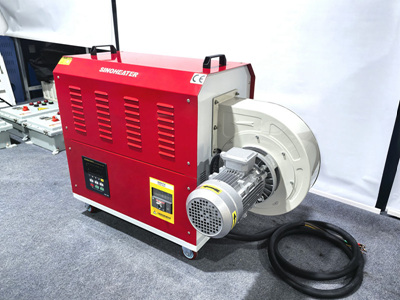
Effective Maintenance and Rust Prevention Techniques for Hot Air Blower Housings
The outer casing of a hot air blower protects internal components from environmental damage while maintaining structural integrity. Regular maintenance and rust prevention are essential to extend its lifespan, ensure safe operation, and preserve aesthetic appeal. Neglecting these tasks can lead to corrosion, weakened materials, and potential safety hazards.
Identifying Common Causes of Housing Damage
Environmental Exposure
Hot air blowers installed outdoors or in humid environments face constant exposure to moisture, which accelerates rust formation. Saltwater air in coastal regions or chemical fumes in industrial settings can further degrade materials. Even indoor units in poorly ventilated areas may suffer from condensation buildup, leading to corrosion over time.
Physical Impact and Abrasion
Accidental bumps, vibrations from nearby machinery, or contact with sharp objects can scratch or dent the housing surface. These imperfections create entry points for moisture and contaminants, making the material more susceptible to rust. Regular inspections help detect minor damage before it worsens.
Chemical Contamination
Spills from cleaning agents, lubricants, or industrial chemicals can react with the housing material, especially if it’s metallic. Acidic or alkaline substances may strip protective coatings, leaving the surface vulnerable to oxidation. Prompt cleanup of spills is crucial to prevent long-term damage.
Daily and Weekly Maintenance Routines
Cleaning the Exterior Surface
Use a soft, damp cloth to wipe down the housing regularly, removing dust, dirt, and fingerprints. For stubborn grime, mix a mild detergent with warm water and gently scrub the surface. Avoid abrasive sponges or harsh chemicals, as they can scratch or erode protective layers. Rinse with clean water and dry thoroughly with a lint-free cloth.
Inspecting for Early Signs of Rust
During cleaning, pay close attention to seams, joints, and corners where moisture tends to accumulate. Look for discoloration, bubbling paint, or rough patches, which may indicate the early stages of rust. Use a magnifying glass to examine hard-to-see areas, such as under mounting brackets or near ventilation grilles.
Addressing Minor Scratches and Dents
Small surface imperfections can be treated with touch-up paint or rust-inhibiting primers. First, clean the affected area with rubbing alcohol to remove oils or debris. Apply a thin layer of primer, followed by paint matching the original housing color. Allow each coat to dry completely before applying the next. For deeper dents, consult a professional to assess structural integrity.
Advanced Rust Prevention Strategies
Applying Protective Coatings
For metallic housings, applying a rust-resistant coating creates a barrier against moisture and chemicals. Options include enamel paints, epoxy resins, or specialized anti-corrosion sprays. Before application, sand the surface lightly to improve adhesion and remove any existing rust flakes. Follow the manufacturer’s instructions for drying times and reapplication intervals.
Using Desiccants in Humid Environments
In areas with high humidity, place desiccant packs or silica gel near the hot air blower to absorb excess moisture. This reduces the risk of condensation forming inside the housing. Replace desiccants regularly to maintain their effectiveness, especially during rainy seasons or in unheated spaces.
Creating a Protective Barrier with Waxes or Sealants
Non-metallic housings, such as those made from plastic or composite materials, can benefit from wax-based sealants. These products fill microscopic pores in the surface, preventing water penetration. Apply a thin, even layer using a clean cloth and buff gently to a shine. Reapply every six months or as needed, depending on environmental conditions.
Long-Term Storage and Seasonal Care
Storing Units Properly During Off-Seasons
If the hot air blower won’t be used for an extended period, store it in a dry, temperature-controlled environment. Cover the housing with a breathable fabric or plastic sheet to shield it from dust while allowing air circulation. Avoid storing units directly on concrete floors, as moisture can seep upward and cause rust.
Protecting Outdoor Units from Weather Elements
For permanently installed outdoor blowers, install a weatherproof enclosure or canopy to shield the housing from rain, snow, and direct sunlight. Ensure the enclosure has adequate ventilation to prevent heat buildup. Check the seals around doors or access panels regularly to ensure they remain watertight.
Scheduling Professional Inspections
Annual inspections by a qualified technician can identify potential issues before they escalate. Professionals use specialized tools, such as moisture meters or ultrasonic thickness gauges, to assess the housing’s condition. They can also recommend advanced treatments, such as galvanizing or powder coating, for severe corrosion risks.
By implementing these maintenance and rust prevention techniques, you can significantly enhance the durability and performance of your hot air blower housing. Regular care not only protects your investment but also ensures the equipment operates safely and efficiently for years to come.


