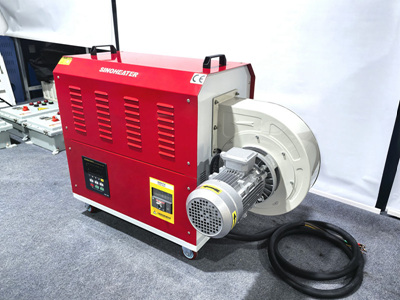
Maintenance of Protective Devices for Hot Air Blowers in Bridge Crossing Environments
Ensuring Structural Integrity of Protective Devices
In bridge crossing environments, hot air blowers are often equipped with specialized protective structures to shield them from environmental factors such as strong winds, debris, and vehicle impacts. Regular inspection of these protective devices is crucial to maintain their structural integrity.
Visual Inspection for Physical Damage
Start with a thorough visual inspection of the protective frames and barriers. Look for signs of cracks, dents, or deformation that may have occurred due to wind loads or accidental impacts. For example, if the hot air blower is installed near a roadway on a bridge, passing vehicles could potentially strike the protective device, causing visible damage. Check all the joints and connections between different components of the protective structure to ensure they are tight and secure. Loose connections can lead to further damage over time as the structure vibrates during operation.
Corrosion Resistance Evaluation
Bridge environments are often exposed to moisture, salt spray (in coastal areas), and other corrosive substances. These can gradually degrade the protective devices made of metal or other materials. Inspect the surface of the protective structures for signs of rust, corrosion, or paint peeling. If any corrosion is detected, it should be addressed immediately. For metal components, sandblasting the affected area to remove the rust and then applying a fresh coat of anti – corrosion paint can help restore the protective properties. Regular cleaning of the protective devices to remove dirt, salt, and other contaminants can also slow down the corrosion process.
Functional Maintenance of Safety Systems
Hot air blowers in bridge crossing settings are usually integrated with various safety systems to prevent accidents and ensure safe operation. These systems need to be regularly maintained to function properly.
Overheating Protection Mechanism Check
One of the critical safety features of hot air blowers is the overheating protection mechanism. This system is designed to shut down the blower automatically if the internal temperature rises beyond a safe limit. To test this mechanism, simulate an overheating condition by blocking the air outlets partially (in a controlled and safe manner) to restrict airflow and increase the temperature. Observe whether the blower stops operating as expected. If it fails to shut down, there may be an issue with the temperature sensor, control circuit, or the shutdown mechanism itself, which requires further investigation and repair.
Electrical Safety Inspection
Since hot air blowers are electrical devices, ensuring electrical safety is of utmost importance. Check all the electrical connections, including power cords, plugs, and terminal blocks, for signs of wear, loose connections, or overheating. Use a multimeter to measure the electrical resistance and voltage at different points in the circuit to ensure they are within the specified range. Additionally, verify that the grounding system is properly installed and functional. A good grounding connection can prevent electric shocks and protect the equipment from electrical surges.
Environmental Adaptation and Optimization
The bridge crossing environment presents unique challenges, and the protective devices of hot air blowers need to be adapted and optimized accordingly to ensure long – term reliable operation.
Wind Resistance Enhancement
Bridges are often subject to strong winds, especially in open or coastal areas. The protective devices should be designed and maintained to withstand these wind forces. Check the stability of the mounting brackets and anchors that secure the hot air blower and its protective structures to the bridge. If necessary, reinforce the mounting points by adding additional bolts or brackets. Consider installing wind deflectors or shrouds around the hot air blower to reduce the wind load on the equipment and improve its overall stability.
Debris Management
In a bridge environment, debris such as leaves, dust, and small stones can accumulate around the hot air blower and its protective devices. This debris can block the air inlets and outlets, reducing the efficiency of the blower and potentially causing overheating. Regularly clean the area around the hot air blower, removing any accumulated debris. Install mesh screens or filters at the air inlets to prevent larger debris from entering the system while still allowing sufficient airflow. Check and clean these screens or filters regularly to ensure they remain effective.