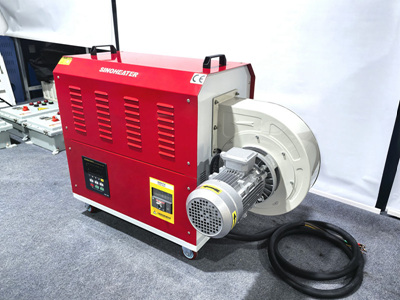
Portable Hot Air Blowers with Wheels: Enhancing Mobility for Flexible Heating Solutions
For environments requiring temporary or adjustable heating, portable hot air blowers equipped with wheels offer unmatched convenience. These units combine powerful heating capabilities with ergonomic design, allowing users to reposition them effortlessly as needs change. Below, we explore the design features enabling mobility, practical applications across industries, and tips for optimizing their use.
Design Elements Enabling Easy Transportation
The mobility of these hot air blowers hinges on thoughtful engineering that balances durability with user-friendly features.
Heavy-Duty Casters for Smooth Movement
Most portable models incorporate industrial-grade swivel casters, often made of rubber or polyurethane, to handle uneven surfaces like concrete floors or gravel paths. These casters rotate 360 degrees, enabling tight turns without lifting the unit. Some designs include locking mechanisms to stabilize the blower during operation, preventing accidental movement on slopes or vibrating surfaces.
Lightweight yet Sturdy Construction
To ensure easy lifting when wheels aren’t practical, manufacturers use high-strength aluminum or composite materials for the blower’s frame. These materials reduce overall weight without sacrificing structural integrity, allowing a single person to tilt and roll the unit short distances. For example, a compact model might weigh under 50 pounds, making it manageable for warehouse staff to reposition between aisles.
Ergonomic Handles and Control Placement
Integrated handles at a comfortable height (typically 30–40 inches from the ground) let users grip the blower securely while walking. Controls like power switches, temperature dials, and fan speed adjusters are often mounted on the top or side panels for easy access during movement. This design minimizes the need to stop and adjust settings, streamlining relocation workflows.
Industries Leveraging Mobile Heating Solutions
The versatility of wheeled hot air blowers makes them indispensable in settings where heating demands shift frequently. Here are three sectors benefiting from their mobility.
Construction Sites and Outdoor Work Areas
On construction projects, crews often need temporary heating for concrete curing, paint drying, or worker comfort in cold weather. Portable blowers with wheels can be rolled from one work zone to another as tasks progress, eliminating the need for multiple fixed heaters. For instance, a team might use a blower to warm a foundation during morning pours, then move it to a scaffolding area for afternoon painting.
Event Venues and Temporary Structures
Events like outdoor weddings, festivals, or trade shows require flexible heating to accommodate changing layouts. Wheeled blowers can be positioned near seating areas, stages, or food stalls to maintain comfortable temperatures without permanent installations. Their mobility also allows quick adjustment if wind shifts or crowds gather in unexpected spots, ensuring consistent warmth throughout the venue.
Agricultural and Livestock Facilities
Farms and barns often need targeted heating for specific areas, such as calving pens, poultry coops, or crop storage zones. Portable blowers with wheels enable farmers to direct heat where it’s most needed without heating entire buildings. For example, a blower might be rolled into a horse stall during winter nights, then moved to a greenhouse the next morning to accelerate seed germination.
Tips for Safe and Efficient Use of Mobile Blowers
To maximize the benefits of wheeled hot air blowers, users should follow best practices for operation and maintenance.
Secure Placement Before Use
Always lock the casters or position the blower on a flat, stable surface before turning it on. Uneven ground or vibrations from nearby machinery can cause the unit to roll, posing safety risks or disrupting airflow. If working on a slope, use wedges or chocks to prevent movement.
Mind Power Cord Management
Long power cords enable flexibility but can create tripping hazards or interfere with movement. Use cord reels or clips to keep cables organized and away from walkways. When relocating the blower, disconnect the power first to avoid pulling the cord or damaging outlets.
Regular Maintenance of Moving Parts
Lubricate casters periodically to ensure smooth rotation, especially in dusty environments like construction sites or barns. Check for debris stuck in wheel treads or axles, as this can impede movement or cause uneven wear. Inspect handles for cracks or loose fittings, tightening screws or replacing components as needed to maintain ergonomic integrity.
Advanced Features Supporting Portability
Modern wheeled hot air blowers include optional technologies to further enhance their mobility and usability.
Collapsible or Retractable Handles
Some models feature handles that fold down or slide into the frame when not in use, reducing the unit’s footprint for storage or transport in vehicles. This is particularly useful for rental companies or contractors who need to stack multiple blowers in a truck bed.
Quick-Connect Duct Adapters
For applications requiring directed airflow (e.g., drying a specific wall section), quick-connect adapters let users attach flexible ducts to the blower’s outlet. These adapters stay securely fastened during movement but can be removed rapidly when the blower needs to be rolled to a new location.
Battery-Powered Options for Cordless Use
Emerging designs offer battery-powered blowers, eliminating the need for power cords altogether. These units are ideal for remote locations like forest clearings or offshore platforms where electrical outlets are unavailable. While battery life varies, models with swappable batteries allow continuous operation by keeping a charged spare on hand.
Portable hot air blowers with wheels redefine heating flexibility by combining powerful performance with effortless mobility. Whether warming a construction site, an event space, or a livestock area, their ergonomic design and durable construction ensure reliable service wherever heat is needed. By prioritizing secure placement, cord management, and regular maintenance, users can leverage these tools to adapt quickly to changing demands without compromising safety or efficiency.