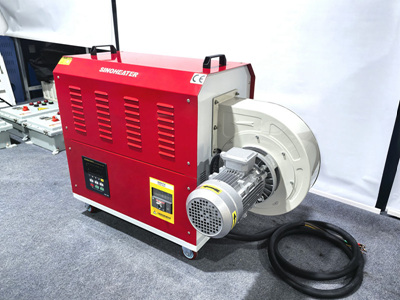
Effective Local Heating Solutions for Office Spaces Using Portable Heaters
Maintaining a comfortable temperature in office environments is essential for productivity and employee well-being, especially during colder months. While central heating systems often struggle to distribute warmth evenly, portable heaters offer a practical solution for targeting specific areas. Here’s how to optimize local heating in office spaces without relying on brand-specific recommendations or complex installations.
Understanding the Need for Localized Heating
Addressing Uneven Temperature Distribution
Central heating systems may leave certain zones, such as drafty corners or areas near large windows, consistently colder than others. Portable heaters allow employees to adjust warmth levels in their immediate workspace, reducing discomfort and improving focus. This approach is particularly useful in open-plan offices where individual thermostat control isn’t feasible.
Balancing Energy Efficiency and Comfort
Heating an entire office floor can lead to high energy costs, especially if only a few areas require additional warmth. By using portable heaters in targeted zones, businesses can lower overall energy consumption while ensuring employees stay comfortable. This strategy also reduces strain on central HVAC systems, potentially extending their lifespan.
Creating Flexible Work Environments
Employees have varying temperature preferences, and portable heaters empower them to customize their surroundings. For instance, someone working near an entrance might need extra heat, while a colleague in a sunlit corner may prefer cooler conditions. Flexible heating options accommodate these differences without disrupting the entire office climate.
Key Considerations for Safe and Efficient Use
Choosing the Right Heater Type for the Space
Portable heaters come in various designs, including convection, radiant, and fan-forced models. Convection heaters are ideal for slowly warming enclosed areas, while radiant heaters provide instant, directional heat for specific spots. Fan-forced options circulate air quickly, making them suitable for larger zones. Assess the room size and layout to determine the most effective type.
Prioritizing Safety Features
Safety is paramount when using heaters in office settings. Look for models with automatic shut-off functions if tipped over, overheat protection, and cool-touch exteriors to prevent burns. Ensure heaters are placed on stable surfaces, away from foot traffic, and at least three feet from flammable materials like papers or curtains.
Optimizing Placement for Maximum Efficiency
Position heaters near the area requiring warmth but avoid blocking vents or walkways. For example, placing a heater under a desk can direct heat toward an employee’s legs without overheating the entire room. Avoid using heaters in confined spaces like closets, as this can lead to carbon monoxide buildup in poorly ventilated areas.
Maintaining Air Quality and Energy Use
Ventilating the Space Properly
While heaters provide warmth, they can reduce humidity levels, leading to dry skin or respiratory discomfort. Use a humidifier alongside the heater to maintain balanced air quality. Additionally, ensure the office has adequate ventilation to prevent stale air, especially if multiple heaters are in use.
Setting Timers for Automated Control
Many portable heaters feature built-in timers, allowing users to schedule operation during core working hours. This prevents energy waste by ensuring the heater isn’t left running overnight or during weekends. Employees can also set timers to warm their workspace shortly before arrival, enhancing comfort without constant adjustment.
Combining Heaters with Layered Clothing
Encourage employees to dress in layers, such as lightweight sweaters or thermal base layers, to reduce reliance on heaters. This approach not only minimizes energy use but also provides personal flexibility, as individuals can add or remove layers based on their comfort level.
Long-Term Strategies for Sustainable Office Heating
Investing in Insulation Improvements
While portable heaters offer immediate relief, addressing underlying insulation issues can reduce the need for supplemental heating. Check for drafts around windows, doors, and electrical outlets, and seal gaps with weatherstripping or caulk. Upgrading to double-glazed windows can also significantly improve heat retention.
Scheduling Regular HVAC Maintenance
A well-maintained central heating system operates more efficiently, reducing the likelihood of uneven temperature distribution. Arrange annual inspections to clean filters, check ductwork for leaks, and ensure the system is calibrated correctly. This proactive approach can minimize the need for portable heaters over time.
Encouraging Employee Feedback on Comfort
Create a system for employees to report temperature-related concerns, such as cold spots or excessive heat. Use this feedback to adjust heater placement, HVAC settings, or insulation efforts. Open communication ensures the office environment meets collective needs without unnecessary energy expenditure.
By combining targeted portable heaters with strategic insulation and maintenance practices, offices can create a comfortable, energy-efficient workspace year-round. These solutions prioritize employee well-being while minimizing operational costs and environmental impact.