Operations for Anti – Corrosion Treatment of Pipeline Surfaces Using Hot Air Blowers
When it comes to protecting pipelines from corrosion, applying an effective anti – corrosion coating after proper surface preparation is crucial. Hot air blowers can play a significant role in the surface heating process during pipeline anti – corrosion treatment, ensuring better adhesion and performance of the coating. Here are the detailed operations for this process.
Pre – treatment Preparation
Before using a hot air blower for surface heating, thorough pre – treatment of the pipeline surface is necessary to create an ideal base for the anti – corrosion coating.
Cleaning the Pipeline Surface
The first step is to remove all contaminants from the pipeline surface. These can include dirt, grease, oil, and loose rust. A combination of mechanical and chemical cleaning methods can be employed. For mechanical cleaning, wire brushes or abrasive pads can be used to scrub the surface, especially for removing loose rust and scale. Chemical cleaning involves using appropriate cleaning agents, such as alkaline or acidic solutions, depending on the nature of the contaminants. For example, an alkaline cleaner can effectively remove grease and oil, while an acidic solution can dissolve rust. After chemical cleaning, the pipeline should be thoroughly rinsed with clean water to remove any residual cleaning agents.
Surface Roughening
To enhance the adhesion of the anti – corrosion coating, the pipeline surface needs to be roughened. This can be achieved through methods like sandblasting or grit blasting. Sandblasting uses compressed air to propel sand particles against the surface, creating a rough texture. The size of the sand particles and the pressure of the compressed air should be adjusted according to the pipeline material and the desired roughness level. For instance, for a steel pipeline, medium – sized sand particles and a moderate air pressure can be used to achieve a suitable surface profile. After roughening, the surface should be free of any dust or debris, which can be removed by blowing compressed air or using a vacuum cleaner.
Hot Air Blower Setup and Parameter Selection
Proper setup and selection of parameters for the hot air blower are essential for achieving uniform and effective surface heating.
Selecting the Right Hot Air Blower
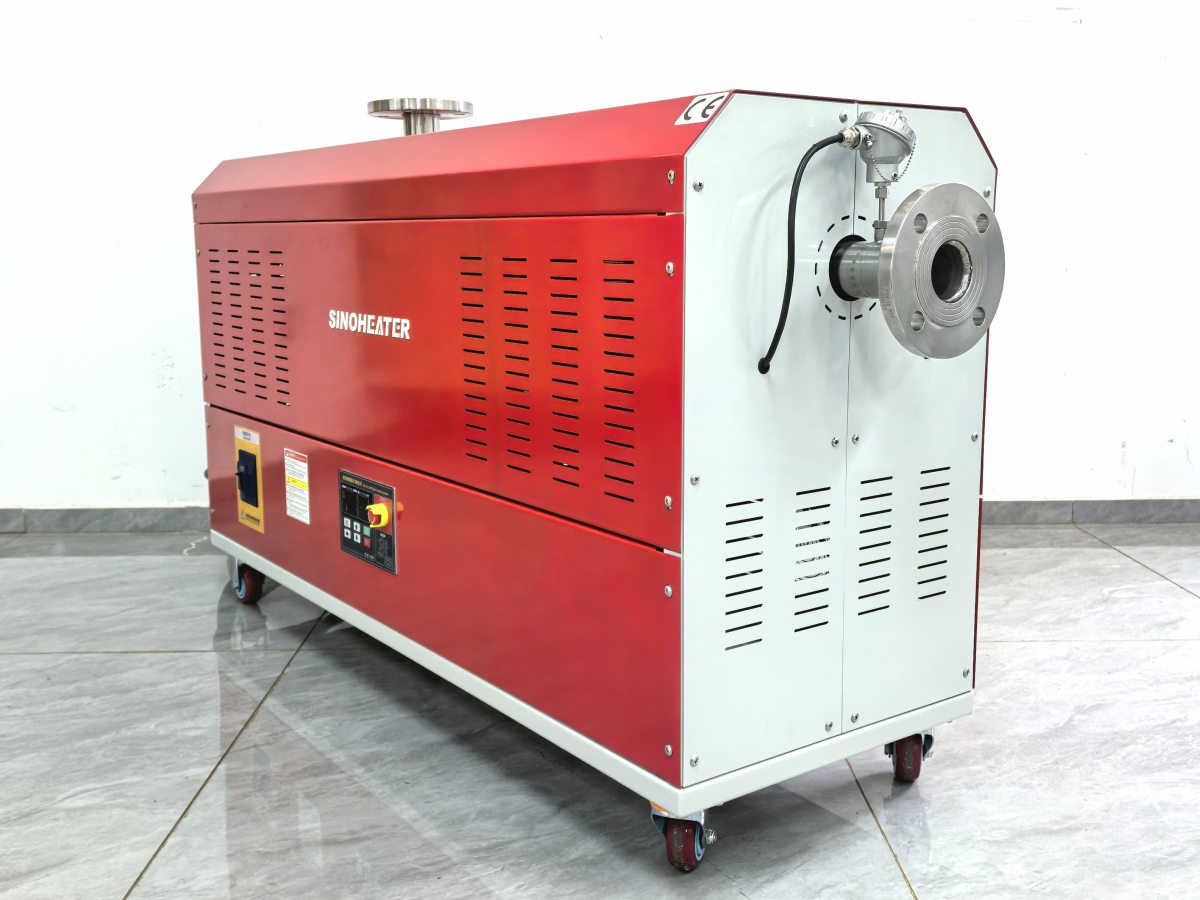
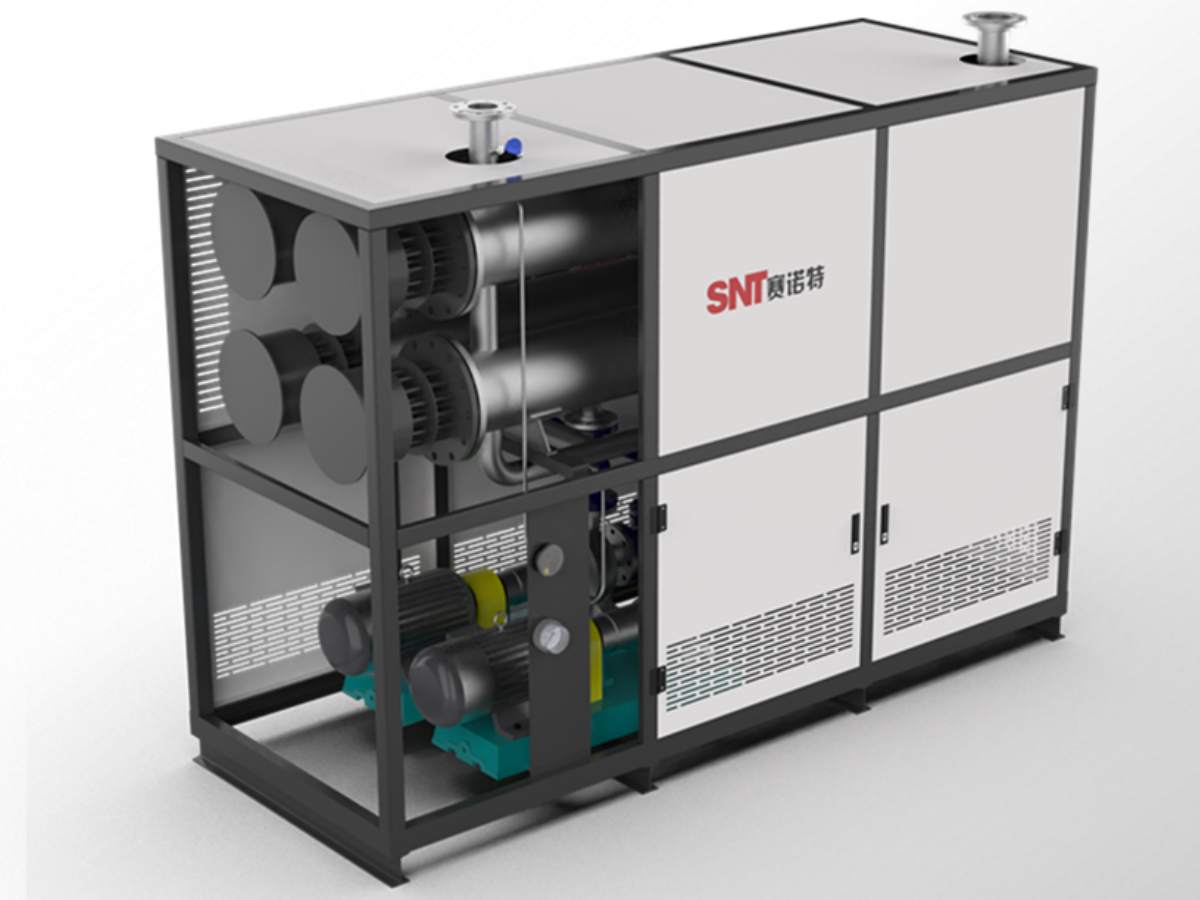
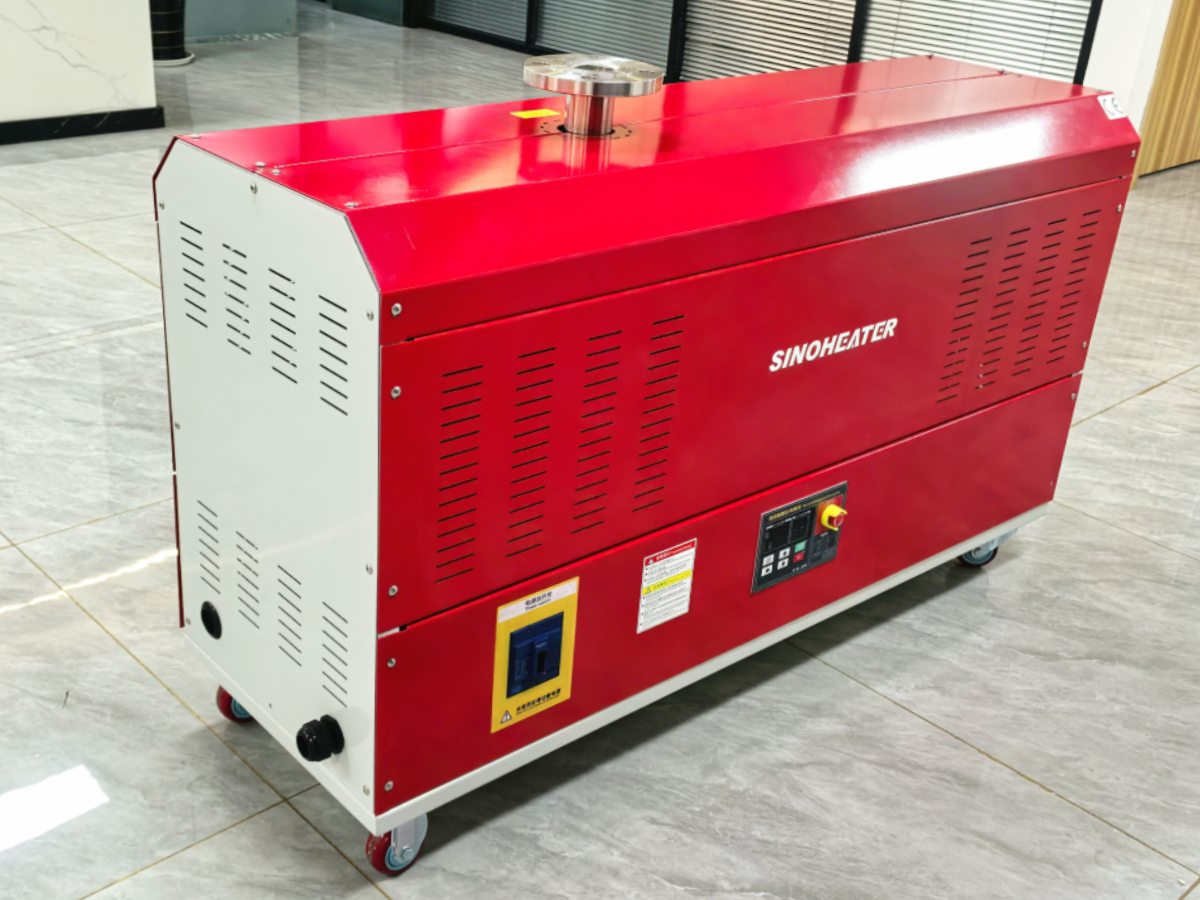
Consider factors such as the size of the pipeline, the required heating temperature, and the heating time when choosing a hot air blower. For large – diameter pipelines, a hot air blower with a high airflow rate and a large heating capacity is needed to ensure that the entire surface can be heated evenly within a reasonable time. For smaller pipelines or areas with specific heating requirements, a more compact hot air blower with adjustable settings may be more appropriate.
Setting the Temperature and Airflow
The heating temperature should be carefully selected based on the type of anti – corrosion coating being applied and the pipeline material. Different coatings have different optimal application temperatures. For example, some epoxy – based coatings may require a surface temperature in the range of 40 – 60°C for proper adhesion. The pipeline material also plays a role; some metals may be more sensitive to high temperatures, and excessive heating can cause deformation or other structural issues. The airflow rate should be adjusted to ensure that the hot air is distributed evenly across the pipeline surface. A higher airflow rate can help in quickly raising the surface temperature but may also cause uneven heating if not controlled properly. A trial – and – error approach, starting with a moderate airflow rate and gradually adjusting it, can be used to find the optimal setting.
Surface Heating Process
The actual surface heating process using the hot air blower requires careful operation to achieve the desired results.
Starting the Heating Process
Begin by positioning the hot air blower at one end of the pipeline section to be treated. Turn on the hot air blower and gradually increase the temperature and airflow to the set values. Move the hot air blower along the pipeline surface in a slow and steady manner, ensuring that the entire surface is exposed to the hot air. The speed of movement should be adjusted based on the heating requirements and the size of the pipeline. For example, for a large – diameter pipeline, a slower movement speed may be necessary to allow sufficient time for the heat to penetrate the surface.
Monitoring the Surface Temperature
Use an infrared thermometer or a thermal imaging camera to continuously monitor the surface temperature of the pipeline during the heating process. This helps in ensuring that the temperature remains within the optimal range for the anti – corrosion coating application. If the temperature starts to deviate from the desired range, adjust the hot air blower settings, such as the temperature or airflow rate, accordingly. For instance, if the temperature is too low, increase the temperature setting or reduce the movement speed of the hot air blower to allow more heat to be absorbed by the surface.
Heating Uniformity
Achieving uniform heating across the entire pipeline surface is crucial for the performance of the anti – corrosion coating. Pay special attention to areas such as bends, joints, and welds, as these areas may have different heat – transfer characteristics compared to the straight sections of the pipeline. Use the hot air blower to focus on these areas for a slightly longer time or adjust the airflow direction to ensure that they receive the same amount of heat as the rest of the surface. For example, at a pipeline bend, slow down the movement of the hot air blower and direct the airflow towards the inner and outer sides of the bend to ensure uniform heating.
Post – Heating and Coating Application
After the surface heating process, proper post – heating procedures and timely coating application are necessary to complete the anti – corrosion treatment.
Post – Heating Maintenance
Once the desired surface temperature is reached, maintain the temperature for a short period, usually a few minutes, to ensure that the heat is evenly distributed and that the surface is fully prepared for coating application. This helps in improving the adhesion and performance of the anti – corrosion coating. During this post – heating period, continue to monitor the surface temperature to prevent any significant drops.
Applying the Anti – Corrosion Coating
As soon as the post – heating period is over, apply the anti – corrosion coating according to the manufacturer’s instructions. The coating should be applied evenly across the entire heated surface, using appropriate application methods such as spraying, brushing, or rolling. Ensure that the coating thickness meets the specified requirements, as an uneven or insufficient coating thickness can reduce the anti – corrosion effectiveness. For example, if using a spray – on coating, maintain a consistent distance between the spray gun and the pipeline surface and move the gun in a smooth, overlapping pattern to achieve a uniform coating.