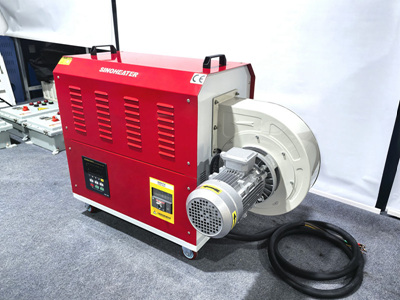
Heating Coatings with Hot Air Blowers in Metal Surface Coating Repair
When it comes to repairing coatings on metal surfaces, using a hot air blower to heat the coating is a crucial step. It can enhance the adhesion of the coating, improve its durability, and ensure a smooth and uniform finish. Here are the detailed operations and key considerations for this process.
Pre – Heating Preparation
Before starting the actual heating of the coating, proper preparation is essential to achieve the best results.
Surface Cleaning and Inspection
First, thoroughly clean the metal surface to remove any dirt, grease, rust, or old, loose coating. Use appropriate cleaning agents and tools such as wire brushes or sandpaper, depending on the nature of the contaminants. After cleaning, carefully inspect the surface for any remaining imperfections like scratches or pits. These need to be addressed before applying the new coating, as they can affect the overall quality of the repair. For example, if there are small scratches, they can be filled with a suitable filler material and sanded smooth.
Coating Application
Apply the repair coating evenly on the metal surface. The method of application can vary depending on the type of coating, such as brushing, spraying, or rolling. Ensure that the coating has a consistent thickness across the entire area to be repaired. An uneven coating can lead to different heating rates during the hot air blower process, resulting in an inconsistent finish. For instance, when using a spray – on coating, hold the spray gun at a consistent distance and move it in a steady, overlapping pattern to achieve an even layer.
Temperature Control During Heating
Controlling the temperature accurately is vital for the success of the coating repair. Different types of coatings have specific temperature requirements for proper curing and adhesion.
Understanding Coating Temperature Requirements
Each coating material has an optimal temperature range for heating. This range is usually specified by the coating manufacturer. For example, some epoxy – based coatings may require a heating temperature between 80°C and 100°C, while polyurethane coatings might need a slightly higher range, say 100°C – 120°C. It’s crucial to refer to the product instructions to determine the exact temperature range for the specific coating being used. Using a temperature – measuring device such as an infrared thermometer can help monitor the surface temperature accurately during the heating process.
Adjusting Hot Air Blower Settings
Based on the required temperature range, adjust the settings of the hot air blower. This includes setting the appropriate air temperature and airflow rate. Start with a lower temperature and gradually increase it to the desired level to avoid overheating the coating. The airflow rate also plays a role; a higher airflow can distribute the heat more quickly but may also cause the coating to dry too fast in some areas. A moderate airflow rate is often a good starting point, and it can be adjusted as needed depending on the size and shape of the repair area. For example, when heating a small, intricate area, a lower airflow rate may be more suitable to prevent the coating from being blown away or becoming uneven.
Heating Techniques for Different Repair Areas
The shape and size of the repair area on the metal surface can influence the heating technique used with the hot air blower.
Heating Small and Detailed Areas
For small cracks, chips, or detailed patterns on the metal surface, a narrow – nozzle attachment on the hot air blower is ideal. This allows for focused heating, directing the hot air precisely onto the repair area. Move the nozzle slowly and steadily over the area, ensuring that all parts receive equal heat. Keep the nozzle at a consistent distance from the surface, usually around 2 – 5 centimeters, to prevent overheating or underheating. For example, when repairing a small chip on a metal sculpture, using a narrow nozzle can heat the chip and the surrounding coating evenly, promoting proper adhesion and a seam.
Heating Large and Flat Areas
When dealing with large, flat metal surfaces such as the side of a metal cabinet or a large panel, a wider – nozzle attachment or a diffuser can be used. This helps distribute the heat more evenly across the entire area. Start from one end of the repair area and move the hot air blower in a systematic pattern, such as a back – and – forth or a circular motion. Overlap each pass slightly to ensure that no areas are missed. Maintain a consistent speed and distance from the surface to achieve a uniform heating effect. For instance, when repairing the coating on a large metal door, using a wider nozzle can heat the entire door surface evenly, reducing the risk of uneven curing of the coating.
Post – Heating Inspection and Touch – Up
After heating the coating, a thorough inspection and any necessary touch – ups are required to ensure a high – quality repair.
Visual Inspection
Carefully examine the repaired coating for any signs of defects such as bubbles, cracks, or unevenness. These can occur due to improper heating, incorrect coating application, or other factors. Use good lighting to clearly see any imperfections. For example, if there are small bubbles on the surface, they may indicate that the coating was heated too quickly or at too high a temperature, causing trapped air to expand.
Touch – Up and Final Curing
If any defects are found during the inspection, perform touch – up work. This may involve applying a small amount of additional coating to fill in cracks or smooth out uneven areas. After touch – up, the entire repair area may need to be heated again at a lower temperature for a short period to ensure proper curing of the additional coating. This final heating step helps the touch – up material blend seamlessly with the original coating, resulting in a durable and aesthetically pleasing repair.