
Effective Use of Hot Air Guns for Metal Surface Heating and Tempering
Pre-Operation Preparation for Metal Surface Heating and Tempering
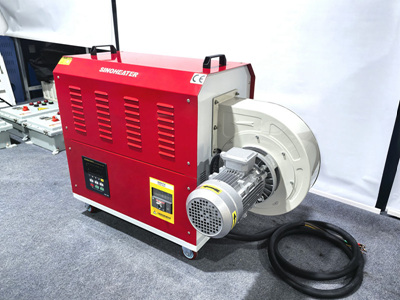
Before starting the metal surface heating and tempering process with a hot air gun, thorough preparation is crucial. First, inspect the hot air gun itself. Check the electrical system, including the power cord and electrical components in the control cabinet. Look for any signs of damage or aging in the wires and ensure all electrical connections are secure to prevent potential electrical hazards. Also, examine the heating elements, such as resistance wires or silicon carbide rods, for any fractures or deformations. Damaged heating elements should be replaced promptly to maintain proper heating performance and device operation.
Next, focus on the metal workpiece. Clean the surface of the workpiece to remove oil stains, rust, and other impurities. These impurities can react during the tempering process, affecting the quality of the tempering and potentially corroding the furnace body. For example, if the workpiece is a high-precision mechanical part, even a small amount of oil residue can lead to uneven heating and substandard tempering results. Additionally, choose appropriate fixtures according to the shape, size, and tempering process requirements of the workpiece. Ensure that the workpieces are evenly heated in the furnace by maintaining a certain spacing between them to prevent mutual collision and extrusion, which could impact the heating effect and workpiece quality. For instance, for long and thin shaft – like workpieces, specialized V – blocks or chucks should be used for clamping to keep them stable in the furnace.
Setting Process Parameters for Metal Surface Heating and Tempering
Setting accurate process parameters is a key step in using a hot air gun for metal surface heating and tempering. Based on the material and size of the workpiece, as well as the tempering process requirements, set the appropriate temperature, time, heating speed, and cooling speed parameters on the control panel. Different metal materials have different tempering temperature ranges. For example, medium – carbon steel generally has a tempering temperature range of 500 – 650 degrees Celsius, while high – carbon steel has a range of 150 – 350 degrees Celsius. The temperature should be set precisely to the specified value to avoid excessive temperature deviations that could affect the tempering quality.
The heating speed is also an important parameter. A too – fast heating speed may cause excessive thermal stress inside the workpiece, leading to deformation or even cracking. On the other hand, an improper cooling speed can also affect the microstructure and properties of the workpiece. For example, when tempering some alloy steels, if the cooling speed is not well – controlled, it may result in the formation of undesirable microstructures, reducing the mechanical properties of the workpiece. Therefore, it is necessary to set reasonable heating and cooling speed parameters according to the specific situation.
Low – Temperature Tempering Parameter Settings
Low – temperature tempering is usually carried out at temperatures below 250 degrees Celsius. The main purpose is to eliminate internal stresses, reduce brittleness, and maintain high hardness and wear resistance of the quenched workpiece. When setting parameters for low – temperature tempering, the temperature should be strictly controlled within the specified range. For example, for some cutting tools and measuring tools, a low – temperature tempering temperature of around 200 degrees Celsius may be set. The holding time should also be set reasonably according to the size and thickness of the workpiece to ensure that the internal stresses are fully eliminated.
Medium – Temperature Tempering Parameter Settings
Medium – temperature tempering is performed at temperatures between 350 and 500 degrees Celsius. After medium – temperature tempering, the workpiece obtains high elastic limit, yield strength, and toughness. When setting parameters for medium – temperature tempering, the temperature should be accurately set according to the requirements of the workpiece. For example, for springs, a medium – temperature tempering temperature of around 450 degrees Celsius may be appropriate. The heating and cooling speeds should also be adjusted reasonably to avoid excessive thermal stress and ensure the formation of a uniform tempered troostite structure.
Operating Procedures during Metal Surface Heating and Tempering
After completing the pre – operation preparation and setting the process parameters, start the metal surface heating and tempering operation. First, turn on the ventilation system and let the fan run for a period of time to replace the air inside the furnace and prevent the presence of flammable and explosive gases. Then, close the power switch and start the heating system to make the tempering furnace begin to heat up. During the heating process, closely observe the temperature changes inside the furnace through the temperature instrument. If abnormal temperature changes (such as too fast or too slow heating) are found, promptly check the heating and control systems to troubleshoot the faults.
When the temperature inside the furnace reaches the predetermined tempering temperature, slowly place the prepared workpiece into the furnace. Pay attention to operation safety during the loading process to avoid burns. After the workpiece is loaded, close the furnace door and ensure good sealing to maintain the stability of the furnace temperature. Keep the workpiece at the set temperature for the specified holding time to allow the internal microstructure of the workpiece to fully transform. During the holding period, continuously monitor the temperature inside the furnace to ensure that the temperature fluctuations are within the allowable range. Adjust the heating power if necessary to maintain temperature stability.
After the holding time is over, open the furnace door and use special tools to quickly remove the workpiece. Pay attention to preventing the workpiece from colliding with the furnace door and furnace wall during the unloading process to avoid damaging the workpiece. According to the material and process requirements of the workpiece, choose an appropriate cooling method. For some workpieces with low requirements, they can be cooled naturally in the air; for some workpieces with specific requirements for hardness and toughness, rapid cooling methods such as oil cooling or water cooling may be required. During the cooling process, observe the state of the workpiece to prevent problems such as deformation and cracking.
Post – Operation Maintenance for Metal Surface Heating and Tempering Equipment
After completing the metal surface heating and tempering operation, proper post – operation maintenance of the equipment is essential to extend its service life. First, turn off the heating system after the workpiece is taken out, and then let the ventilation system continue to run for a period of time to discharge the residual heat and exhaust gas inside the furnace. After the temperature inside the furnace drops to a certain level, turn off the ventilation system and the power switch.
Clean the inside of the tempering furnace to remove impurities and dust. Regularly inspect the furnace lining for damage. If damage is found, repair it promptly to prevent heat loss and extend the service life of the furnace body. In addition, operators should wear appropriate protective equipment, such as high – temperature protective clothing, protective gloves, and goggles, during the operation process. Set up obvious safety warning signs around the tempering furnace to prevent无关人员 from approaching. Keep the operation area clean and tidy, without obstacles, to ensure that operators can quickly evacuate in case of emergencies. Strictly operate the tempering furnace according to its rated power and load – bearing capacity, and do not operate it under over – temperature, over – pressure, or over – load conditions to avoid safety accidents.


