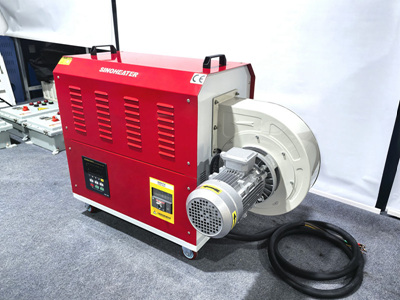
Protective Measures for Heat Blowers After Use in Environments with Animal Gnawing
Understanding the Risks of Animal Gnawing on Heat Blowers
Animals such as rodents, rabbits, or even larger creatures like raccoons may gnaw on heat blowers due to curiosity, territorial behavior, or the need to sharpen their teeth. This behavior poses significant risks to the equipment’s functionality and safety. For instance, a warehouse in a rural area reported that mice had chewed through the insulation of a heat blower’s electrical wiring, causing a short circuit that disrupted heating during winter. Similarly, a farm observed that rabbits had gnawed on the plastic housing of a heat blower, creating cracks that allowed moisture to enter and damage internal components.
Gnawing can also affect airflow systems by damaging grilles or ductwork. A restaurant noticed reduced heating efficiency after rats gnawed holes in the exhaust duct of its rooftop heat blower, allowing warm air to escape before reaching the intended areas. These incidents highlight the importance of proactive measures to protect heat blowers from animal-related damage.
Physical Barriers to Prevent Animal Access
Installing Metal Guards Around Vulnerable Components
One effective way to deter animals is by installing metal guards around parts they are likely to target, such as wiring, hoses, and housing. Metal mesh or perforated sheets can be wrapped around electrical cables to prevent rodents from chewing through the insulation. For example, a manufacturing plant used stainless steel mesh to protect the wiring of its heat blowers after repeated incidents of mouse damage, significantly reducing repair costs.
Similarly, plastic or rubber hoses used for fluid connections can be reinforced with metal sleeves to prevent gnawing. A greenhouse operator added aluminum sleeves to the water supply hoses of its heat blowers after rabbits chewed through them, causing leaks that affected humidity control. These guards should be securely fastened to ensure animals cannot pry them loose.
Securing the Base and Mounting Points
Animals may also target the base or mounting points of heat blowers to gain access to internal components. Reinforcing these areas with metal plates or brackets can prevent gnawing and tampering. A construction site used angle iron brackets to secure the base of its portable heat blowers after raccoons attempted to dig underneath and damage the units.
Ensure that mounting bolts and screws are tightened regularly, as loose fittings may attract animals looking for weak spots. A parking garage noticed that squirrels had loosened the mounting bolts of its heat blowers while trying to climb the units, leading to unstable operation. Tightening the bolts and adding thread-locking compound helped resolve the issue.
Using Enclosures for Outdoor Heat Blowers
For outdoor heat blowers, consider placing them inside weatherproof enclosures made of durable materials like steel or aluminum. These enclosures should have locked doors to prevent animals from entering and gnawing on internal components. A golf course installed locked metal enclosures around its heat blowers after deer repeatedly rubbed against the units, damaging the housing and controls.
The enclosures should have proper ventilation to prevent overheating while keeping animals out. Vents can be covered with fine mesh screens to block insects and small rodents without restricting airflow. A park used vented enclosures with stainless steel screens to protect its heat blowers from raccoons and opossums, ensuring reliable operation year-round.
Chemical and Natural Deterrents to Discourage Gnawing
Applying Animal-Repellent Coatings on Surfaces
Certain coatings can be applied to the surfaces of heat blowers to make them less appealing to animals. Bitter-tasting or spicy substances, such as capsaicin-based sprays, can deter rodents and rabbits from gnawing on plastic or metal parts. A warehouse sprayed a capsaicin solution on the housing of its heat blowers after mice repeatedly chewed on the corners, reducing gnawing incidents by 80%.
These coatings should be reapplied periodically, especially after rain or cleaning, to maintain their effectiveness. Avoid using harmful chemicals that could pose risks to humans or pets. A farm tested a natural pepper-based repellent on its heat blowers and found it safe for use around livestock while effectively deterring rabbits.
Using Ultrasonic Devices to Scare Animals Away
Ultrasonic repellents emit high-frequency sound waves that are unpleasant to animals but inaudible to humans. These devices can be placed near heat blowers to create a deterrent zone. A storage facility installed ultrasonic repellers around its heat blowers after rats nested inside the units, causing damage to wiring and controls. The devices reduced rodent activity by 70% within two weeks.
Choose ultrasonic devices with adjustable frequency settings to target specific animals, as different species respond to different sound ranges. Some devices also include motion sensors to activate only when animals are nearby, conserving energy and extending battery life. A campground used motion-activated ultrasonic repellers to protect its heat blowers from raccoons and skunks, preventing nighttime damage.
Planting Natural Deterrents Around the Installation Area
Certain plants have natural repellent properties that can discourage animals from approaching heat blowers. For example, mint, lavender, and marigolds emit strong scents that rodents and rabbits dislike. A vineyard planted mint around its heat blowers after rabbits chewed on the hoses, creating a natural barrier that reduced gnawing incidents.
Thorny bushes like roses or blackberries can also be planted near heat blowers to deter larger animals from getting too close. A ranch used thorny shrubs to protect its outdoor heat blowers from deer, which had previously damaged the units by rubbing against them. Ensure that plants do not obstruct airflow or access to the heat blowers for maintenance purposes.
Regular Inspection and Maintenance Routines
Checking for Gnaw Marks and Damage Weekly
Perform weekly visual inspections of heat blowers to identify fresh gnaw marks, chewed wires, or damaged components. Pay close attention to areas where animals are most likely to strike, such as corners, edges, and wiring harnesses. A distribution center found early signs of mouse damage on its heat blower’s wiring during a weekly inspection, allowing technicians to replace the cables before a short circuit occurred.
Use a flashlight to examine hard-to-reach areas, such as under the housing or inside ductwork, where animals may hide or gnaw. A hotel discovered a family of mice nesting inside the ductwork of its heat blower during a thorough inspection, prompting immediate cleaning and sealing of entry points.
Testing Electrical Connections for Safety
Gnawing can damage electrical insulation, creating safety hazards like short circuits or fires. After identifying any chewed wires, disconnect power to the heat blower and test the electrical connections using a multimeter. Check for continuity, voltage drops, or signs of overheating, which may indicate damaged wiring. A factory technician tested the electrical system of its heat blower after mice chewed through several cables, ensuring safe operation before restarting the unit.
Replace any damaged wires or connectors with high-quality, animal-resistant alternatives, such as those with thick insulation or metal sheathing. A warehouse upgraded its heat blower’s wiring to rodent-proof cables after repeated chewing incidents, reducing repair frequency and improving safety.
Cleaning Debris and Nesting Material Regularly
Animals may leave behind debris, droppings, or nesting material that can clog airflow systems or attract more pests. Clean the heat blower’s housing, grilles, and ductwork regularly to remove these contaminants. Use a vacuum or compressed air to blow out dust and debris from hard-to-reach areas. A restaurant cleaned its heat blower’s exhaust grille after finding bird nests and droppings, restoring proper airflow and preventing motor overheating.
Dispose of cleaning waste safely to avoid attracting animals back to the area. Seal trash bins and use animal-proof containers for storing cleaning supplies. A park maintenance team used sealed bins to store rags and tools after cleaning its heat blowers, preventing raccoons from rummaging through the equipment and causing further damage.
By implementing physical barriers, chemical deterrents, and regular maintenance routines, heat blowers can operate safely and efficiently in environments prone to animal gnawing, minimizing downtime and protecting both equipment and surrounding areas.