
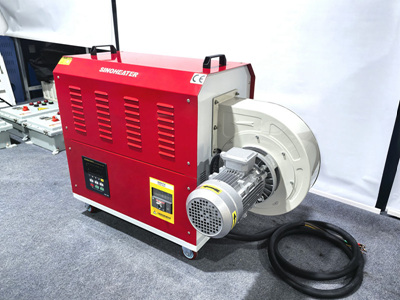
Replacing Protective Covers for Hot Air Blowers in Animal – Chewing Environments
Recognizing the Damage Caused by Animal Chewing
When hot air blowers are situated in areas where animals are prone to chewing, significant damage can occur over time. Animals, such as rodents, rabbits, or even some larger mammals, may be attracted to the materials used in the hot air blower’s components, like wires, insulation, or plastic parts. Chewing on wires can lead to electrical shorts, which not only disrupt the normal operation of the blower but also pose a serious safety hazard, potentially causing fires or electric shocks. Damage to insulation can reduce the efficiency of the hot air blower, as it may allow heat to escape, forcing the unit to work harder to maintain the desired temperature. Plastic parts that are chewed can break off, getting caught in moving components like fans, and causing further mechanical failures.
Identifying Common Chewing Animals in the Area
To effectively address the issue of animal – chewing damage, it’s essential to identify the types of animals present in the vicinity of the hot air blower. Different animals have different chewing habits and preferences. For example, rodents are known for their constant need to gnaw to keep their teeth sharp, and they may target electrical wires due to their soft texture. Rabbits, on the other hand, may chew on plastic or rubber parts out of curiosity or to alleviate boredom. By understanding the local animal population, you can better predict the areas of the hot air blower that are most at risk and take appropriate preventive measures.
Assessing the Extent of Chewing Damage
Once you suspect animal – chewing activity, a thorough assessment of the damage is necessary. Start by visually inspecting the exterior of the hot air blower for any signs of chewing, such as bite marks, scratches, or exposed wires. Open the access panels if possible to check the internal components for damage. Look for frayed wires, broken plastic pieces, or damaged insulation. If the damage is severe, it may be necessary to turn off the power to the hot air blower and call a professional technician for further evaluation and repair. In some cases, the damage may be superficial, but it’s still important to address it promptly to prevent further deterioration.
Selecting the Right Protective Covers
Choosing the appropriate protective covers is crucial for preventing future animal – chewing damage to the hot air blower.
Material Selection for Chew – Resistance
The material of the protective cover should be highly resistant to animal chewing. Some good options include metal meshes, thick rubber, or hard plastics. Metal meshes can provide a physical barrier that animals cannot easily penetrate, while also allowing for proper airflow to the hot air blower. Thick rubber covers can be flexible enough to fit around irregularly shaped components and are difficult for animals to chew through. Hard plastics, especially those with a smooth surface, can also deter animals from chewing, as they offer little grip or satisfaction for the chewing action.
Size and Fit Considerations
The protective covers should be properly sized to fit the components of the hot air blower they are intended to protect. A cover that is too loose may allow animals to access the underlying parts, while a cover that is too tight may restrict airflow or cause damage to the components during installation. Measure the dimensions of the components accurately and choose covers that are designed to fit snugly. Some covers may come with adjustable straps or fasteners to ensure a secure fit.
Durability and Longevity
Since the hot air blower will be exposed to the elements and potential animal attacks over time, the protective covers should be durable and long – lasting. Look for covers that are weather – resistant, able to withstand temperature fluctuations, and resistant to UV rays. This will ensure that the covers remain effective in protecting the hot air blower for an extended period without needing frequent replacement.
Proper Replacement of Protective Covers
Once the right protective covers have been selected, proper replacement is essential to ensure their effectiveness in protecting the hot air blower.
Pre – replacement Preparation
Before replacing the protective covers, turn off the power to the hot air blower to ensure safety. Remove any existing damaged covers carefully, using appropriate tools if necessary. Clean the area around the components to be covered, removing any debris, chewed – up material, or dirt. This will provide a clean surface for the new covers to be attached to and ensure a proper seal.
Installation Steps
Follow the manufacturer’s instructions for installing the new protective covers. If the covers come with fasteners or straps, use them to secure the covers in place firmly. Make sure there are no gaps between the covers and the components they are protecting, as these gaps can provide an entry point for animals. For metal mesh covers, ensure that the mesh is tightly woven and there are no loose ends that animals could use to start chewing.
Post – replacement Inspection
After the protective covers have been installed, perform a thorough inspection to ensure they are properly in place and functioning as intended. Check for any signs of looseness, gaps, or damage during the installation process. Turn on the power to the hot air blower and monitor its operation to make sure that the covers are not restricting airflow or causing any other issues. Regularly inspect the covers in the future to detect any early signs of animal – chewing attempts or damage, and replace them promptly if necessary.


