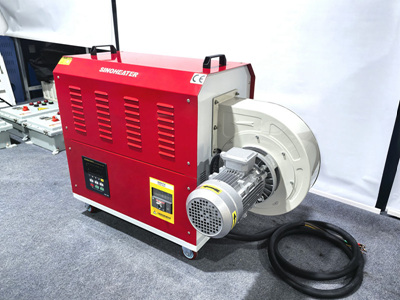
Comprehensive Safety Inspections and Maintenance for Hot Air Blower Power Cords
Power cords are the lifeline of hot air blowers, delivering electricity safely and efficiently to heat-generating components. Over time, wear, environmental factors, or improper handling can compromise their integrity, leading to electrical hazards like short circuits, fires, or equipment failure. Regular safety checks and proactive maintenance are critical to ensuring reliable operation and user safety.
Identifying Common Power Cord Risks
Physical Damage from Wear and Tear
Frequent bending, twisting, or pulling can cause fraying, cracking, or exposed wires in the power cord. This is common in portable blowers used in construction sites or workshops, where cords are often dragged across rough surfaces or stepped on. Even minor damage to the outer insulation can expose live wires, creating shock risks.
Environmental Exposure to Heat and Chemicals
Hot air blowers generate significant heat, which can degrade nearby power cords if they’re not rated for high temperatures. Prolonged exposure to heat softens the insulation, making it prone to cracking or melting. Similarly, chemical vapors from solvents, paints, or cleaning agents can corrode the cord’s protective layer, weakening its structure over time.
Overloading and Electrical Stress
Using a power cord with an insufficient amperage rating for the blower’s power demand can cause overheating. This is especially risky if the cord is coiled or covered, as heat cannot dissipate effectively. Voltage fluctuations or poor grounding can also stress the cord, leading to internal damage that may not be visible externally.
Step-by-Step Power Cord Inspection Process
Visual Examination of the Cord’s Exterior
Start by unplugging the blower and laying the cord flat on a clean surface. Inspect the entire length for cuts, abrasions, or discoloration. Pay close attention to areas near the plug, strain relief (the thickened section where the cord enters the plug), and the blower’s connection point, as these are high-stress zones.
Checking for Internal Wire Damage
Gently flex the cord along its length while observing for cracks or exposed wires. If the insulation feels brittle or splits easily, the cord is compromised. For a more thorough check, use a multimeter set to continuity mode. Touch the probes to the prongs of the plug and the corresponding pins at the blower end. A lack of continuity indicates a broken wire inside the cord.
Testing Plug and Socket Integrity
Examine the plug for bent or broken prongs, which can prevent proper electrical contact. Ensure the socket is clean and free of debris, as dirt or corrosion can create resistance, leading to overheating. If the plug or socket shows signs of burning or melting, replace them immediately, as this indicates severe electrical stress.
Verifying Grounding and Polarity
Use a circuit tester to confirm the blower’s outlet is properly grounded and wired with correct polarity. A reversed polarity or missing ground can cause the blower’s metal casing to become live, posing a shock hazard. If you’re unsure about the outlet’s wiring, consult a licensed electrician to avoid safety risks.
Proactive Maintenance to Extend Cord Lifespan
Proper Storage and Handling Practices
Avoid coiling the cord tightly, as this can kink or stretch the wires internally. Instead, loosely loop the cord or use a cord reel designed for heavy-duty applications. Store the blower in a dry, cool place away from direct sunlight or heat sources to prevent insulation degradation. When moving the blower, lift it by the base rather than dragging it by the cord.
Using Cord Protectors in High-Risk Environments
In areas with sharp edges, heavy foot traffic, or chemical exposure, shield the cord with protective sleeves or conduit. These barriers prevent physical damage and chemical corrosion while allowing heat to dissipate. For outdoor use, opt for weatherproof covers to guard against moisture, which can cause short circuits.
Scheduling Regular Replacement Intervals
Even with careful maintenance, power cords degrade over time. Establish a replacement schedule based on usage frequency and environmental conditions. For example, cords used daily in harsh environments may need replacement every 1–2 years, while those in clean, low-stress settings could last 3–5 years. Replace cords that show signs of aging, even if no visible damage is present.
Advanced Troubleshooting for Persistent Issues
Diagnosing Intermittent Power Failures
If the blower cuts out randomly, the cord may have a loose connection or internal break that worsens with movement. Wiggle the cord gently near the plug and blower while observing the blower’s operation. If it flickers or stops, the cord is faulty and needs replacement.
Addressing Overheating During Operation
A cord that feels excessively hot to the touch is overloaded or damaged. Check the blower’s power rating against the cord’s amperage capacity (printed on the cord or plug). If the cord is undersized, upgrade to a heavier-gauge cord rated for higher amperage. Ensure the cord isn’t covered or coiled during use to allow proper heat dissipation.
Upgrading to Higher-Quality Cords for Safety
Older cords may lack modern safety features like strain relief or flame-retardant insulation. If your cord is outdated, replace it with a new one that meets current safety standards, such as those rated for outdoor or industrial use. Look for cords with thick, flexible insulation and reinforced plugs for added durability.
By following these inspection and maintenance practices, you can ensure your hot air blower’s power cord remains safe and functional. Proactive care reduces the risk of electrical hazards, extends equipment life, and provides peace of mind during operation.