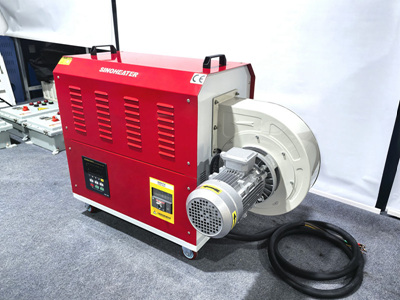
Safety Inspection Procedures for Hot Air Blowers Operating Near Railway Crossings
Hot air blowers installed in areas intersected by railway lines face unique safety risks, including vibrations from passing trains, electromagnetic interference from electrified tracks, and potential collisions with railway infrastructure. These hazards can damage equipment, disrupt railway operations, or endanger personnel if proper safety measures are not in place. Conducting thorough post-operation inspections is critical to identifying and addressing vulnerabilities. Below are detailed steps for assessing and reinforcing safety protections in environments where hot air blowers coexist with railway crossings.
Assessing Structural Stability After Exposure to Railway Vibrations
Railway traffic generates continuous vibrations that can weaken the structural integrity of hot air blowers over time. These vibrations may loosen mounting bolts, crack welds, or misalign components, compromising the unit’s stability. Begin by inspecting the blower’s foundation for signs of settling or shifting, such as cracks in concrete pads or uneven ground beneath support legs. Use a level to verify that the unit remains horizontally aligned, as tilting can affect airflow and increase stress on mechanical parts.
Next, examine all fasteners, including bolts, nuts, and clamps, for tightness. Vibrations often cause these components to loosen, which can lead to rattling noises or, worse, detachment of critical parts. Tighten any loose fasteners using appropriate tools, and consider applying thread-locking compounds to prevent future loosening. For blowers mounted on elevated platforms or rails, check the integrity of the mounting brackets and rails themselves, ensuring they remain securely attached to the main structure and free from corrosion.
Finally, inspect the blower’s housing and ductwork for cracks or deformations. Vibrations can cause metal or plastic components to fatigue, leading to leaks or reduced efficiency. Pay close attention to joints and seams, as these areas are more prone to stress fractures. If damage is detected, consult a structural engineer to determine whether repairs or replacements are necessary. Document all findings, including the date, location, and severity of issues, to track the unit’s condition over time.
Evaluating Electromagnetic Compatibility with Railway Systems
Electrified railways generate electromagnetic fields (EMFs) that can interfere with the operation of nearby electrical equipment, including hot air blowers. This interference may manifest as erratic motor behavior, malfunctioning controls, or increased noise in sensors. To evaluate electromagnetic compatibility, start by reviewing the blower’s design specifications to confirm it meets industry standards for immunity to EMFs, such as those outlined in IEC 61000 series standards.
During operation, monitor the blower for unusual symptoms, such as flickering displays, unexplained shutdowns, or inconsistent airflow. These issues may indicate EMF-induced interference. Use a gaussmeter to measure the strength of electromagnetic fields around the blower, focusing on areas near electrified tracks or substations. Compare these readings to the manufacturer’s recommended thresholds for safe operation. If fields exceed acceptable levels, consider relocating the blower or installing electromagnetic shielding, such as conductive enclosures or ferrite cores, to reduce interference.
Additionally, verify that the blower’s grounding system is functioning correctly. Proper grounding helps dissipate induced currents and minimizes the risk of electrical surges. Check grounding connections for corrosion or loose wiring, and measure resistance between the blower’s chassis and the grounding point using a multimeter. Values above 1 ohm may indicate a faulty ground that requires repair. Ensure all grounding practices comply with local electrical codes and railway safety regulations.
Mitigating Risks from Railway Traffic and Collision Hazards
Hot air blowers installed near railway crossings are vulnerable to accidental collisions with trains, maintenance vehicles, or debris displaced by passing traffic. To mitigate these risks, establish clear physical barriers or protective zones around the blower. Use heavy-duty bollards, crash-rated fencing, or earth berms to prevent vehicles from encroaching on the unit’s space. Ensure barriers are tall and sturdy enough to withstand impacts from large objects, such as loose cargo or fallen railway components.
For blowers located in areas with high foot traffic, such as platforms or maintenance yards, install warning signs and reflective markers to alert personnel to the equipment’s presence. Use high-visibility colors and standardized symbols to ensure visibility in all lighting conditions. If the blower is mounted at a height accessible to workers, secure ladders or platforms with guardrails to prevent falls. Regularly inspect these safety features for damage or wear, replacing any compromised components immediately.
Finally, develop an emergency response plan in case of a collision or other railway-related incident. Train personnel on procedures for shutting down the blower, isolating power sources, and evacuating the area safely. Include contact information for railway authorities, emergency services, and equipment maintenance teams in the plan. Conduct drills periodically to ensure everyone is familiar with their roles during an incident. By preparing for worst-case scenarios, users can minimize downtime and protect lives when accidents occur.
Ensuring Compliance with Railway Safety Regulations and Standards
Adhering to railway safety regulations is non-negotiable when operating hot air blowers near tracks. These rules, which vary by region and railway operator, often include specific requirements for clearance distances, equipment certification, and operational protocols. Begin by reviewing local railway safety guidelines, such as those issued by the Federal Railroad Administration (FRA) in the U.S. or equivalent authorities elsewhere, to identify all applicable standards.
Verify that the blower’s installation complies with minimum clearance distances from tracks, overhead wires, and signaling equipment. These distances are designed to prevent collisions, reduce electromagnetic interference, and ensure safe access for maintenance crews. Use laser measuring tools or surveying equipment to confirm that the blower remains within permitted zones, adjusting its position if necessary. If the installation requires approval from railway authorities, submit detailed plans and documentation for review before proceeding.
Regularly audit the blower’s operation against railway-specific safety procedures, such as protocols for working near live tracks or during signal testing. Ensure personnel operating the blower are trained in railway safety awareness, including how to recognize and respond to approaching trains, emergency signals, and track maintenance activities. Keep records of all compliance activities, including inspections, training sessions, and regulatory submissions, to demonstrate due diligence in the event of an audit or incident investigation. By prioritizing regulatory adherence, users can avoid fines, legal liabilities, and reputational damage while safeguarding railway operations.