
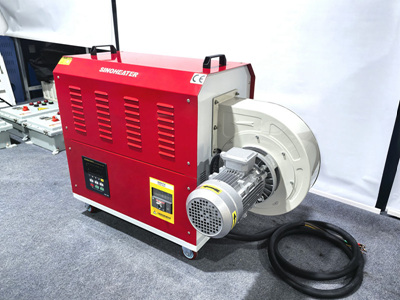
Quiet Hot Air Heaters: Enjoy Warmth Without the Noise
When the temperature drops, staying warm is a priority, but traditional heaters often come with an unwanted side effect: loud, disruptive noise. Whether you’re working, sleeping, or relaxing at home, the constant hum or rattle of a heating unit can quickly become annoying. Quiet hot air heaters are designed to solve this problem, offering efficient heating with minimal sound output. Below, we explore how these devices achieve low-noise operation, their benefits, and practical tips for choosing the right model for your needs.
How Quiet Hot Air Heaters Minimize Noise
The key to reducing noise in hot air heaters lies in thoughtful engineering and material selection. Manufacturers focus on several critical areas to ensure smooth, quiet performance.
Advanced Fan Design
The fan is typically the loudest part of a heater, so optimizing its design is crucial. Modern quiet heaters use:
- Aerodynamic Blades: Curved or angled blades move air more efficiently, reducing turbulence and vibration.
- Variable Speed Motors: Instead of running at full blast constantly, these motors adjust their speed based on heating demand, lowering noise during mild conditions.
- Balanced Rotors: Precision balancing prevents wobbling, which can create rattling sounds as the fan spins.
Sound-Dampening Materials
To absorb vibrations and muffle residual noise, heaters incorporate:
- Foam Insulation: Thick foam layers line the interior of the unit, trapping sound waves before they escape.
- Rubber Mounts: Components like motors or fans are mounted on rubber gaskets to isolate them from the heater’s frame, reducing transmission of vibrations.
- Double-Walled Casings: Some models feature an outer shell separated from the inner heating chamber by an air gap, acting as an additional sound barrier.
Optimized Airflow Paths
Poorly designed airflow can cause whistling, hissing, or whooshing sounds. Quiet heaters avoid this by:
- Smooth Ducting: Internal channels are shaped to guide air smoothly without sharp bends or restrictions.
- Grille Design: The front grille is engineered to disperse air evenly, preventing concentrated streams that create noise.
- Sealed Joints: Gaps between panels or components are minimized to stop air from leaking and causing turbulence.
Benefits of Low-Noise Heating
Choosing a quiet hot air heater offers more than just peace and quiet—it enhances comfort, productivity, and overall well-being.
Better Sleep Quality
Loud heaters can disrupt sleep cycles, especially in bedrooms or nurseries. A quiet model operates at a whisper, allowing you to stay warm without waking up from sudden bursts of noise. This is particularly important for light sleepers or families with young children.
Improved Concentration
In home offices, classrooms, or study areas, background noise from a heater can make it hard to focus. Low-noise units create a calm environment, helping you stay productive without distractions.
Enhanced Relaxation
Whether you’re reading a book, watching TV, or meditating, a quiet heater lets you unwind without the constant reminder of its presence. This is especially valuable in living rooms or meditation spaces where tranquility is key.
Reduced Stress Levels
Constant noise, even at low volumes, can subtly increase stress over time. By eliminating this source of irritation, quiet heaters contribute to a more relaxed, harmonious home atmosphere.
Choosing the Right Quiet Hot Air Heater
Not all quiet heaters are created equal. To find one that suits your space and needs, consider these factors during your search.
Decibel Ratings
Manufacturers often list the noise level of their heaters in decibels (dB). For context:
- 30–40 dB: Comparable to a quiet library or whisper, ideal for bedrooms.
- 40–50 dB: Similar to a soft conversation, suitable for living rooms or offices.
- Above 50 dB: May be noticeable in quiet environments but still quieter than traditional models.
Heating Capacity
Ensure the heater’s output matches the size of your room. An undersized unit will struggle to maintain warmth, potentially running louder as it works harder. Conversely, an oversized heater may cycle on and off frequently, causing temperature fluctuations.
Energy Efficiency
Look for models with high energy efficiency ratings, as these often use advanced motors and heating elements that run smoothly and quietly. Energy-efficient units also save money on utility bills over time.
Additional Features
Some quiet heaters offer extras that enhance convenience and comfort:
- Programmable Timers: Set the heater to turn on or off automatically, avoiding unnecessary operation during quiet hours.
- Remote Controls: Adjust settings from across the room without needing to approach the unit, which might produce noise when touched.
- Portability: Lightweight, wheeled models let you move the heater to different rooms as needed without lifting heavy equipment.
Practical Tips for Reducing Heater Noise
Even with a quiet model, a few simple adjustments can further minimize sound output.
Proper Placement
- Avoid Hard Surfaces: Place the heater on a carpet or rug instead of tile or wood floors to absorb vibrations.
- Keep Distance from Walls: Leave at least a few inches of space between the heater and walls or furniture to allow air to circulate freely, reducing turbulence.
- Elevate if Necessary: If the heater has intake vents on the bottom, use a small platform to lift it slightly, preventing debris from blocking airflow and causing noise.
Regular Maintenance
- Clean Filters: Dust and dirt can clog air filters, forcing the fan to work harder and produce more noise. Check and clean filters monthly during heavy use.
- Lubricate Moving Parts: Some heaters have exposed screws or hinges that can squeak over time. A drop of silicone lubricant can silence these parts without damaging the unit.
- Inspect for Loose Components: Vibrations can loosen screws or panels. Tighten any visible fasteners to prevent rattling.
Use in Conjunction with Other Heating Sources
For larger spaces, combining a quiet hot air heater with radiant panels or underfloor heating can reduce its workload, allowing it to operate at lower, quieter settings.
Conclusion
Quiet hot air heaters are a game-changer for anyone tired of noisy heating solutions. By focusing on advanced fan design, sound-dampening materials, and optimized airflow, these devices deliver warmth without the disruption. Their benefits extend beyond comfort, improving sleep, concentration, and overall quality of life. When shopping for a quiet heater, prioritize decibel ratings, heating capacity, and energy efficiency, and don’t forget to maintain the unit regularly to keep noise levels low. With the right approach, you can enjoy cozy, peaceful warmth all winter long.


