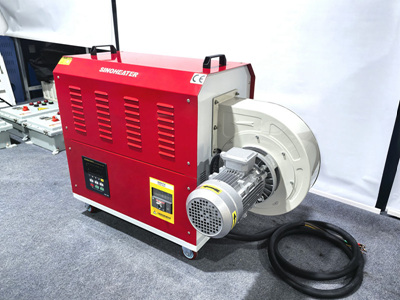
Proper Storage Conditions for Thermal Air Blowers: Temperature and Environmental Guidelines
Thermal air blowers, essential tools for industrial heating and drying applications, require careful storage to maintain performance and extend lifespan. Improper storage can lead to material degradation, electrical failures, or reduced efficiency. This guide outlines best practices for storing these devices, focusing on temperature ranges, environmental controls, and handling precautions.
Ideal Temperature Ranges for Long-Term Storage
Short-Term vs. Long-Term Storage
For short-term storage (up to 30 days), thermal air blowers can typically be kept in environments ranging from -10°C to 40°C. This range accommodates most warehouse conditions without risking damage. However, prolonged exposure to temperatures outside this window accelerates wear. For long-term storage (over 30 days), maintaining a narrower range of 5°C to 30°C is critical. Extreme cold can cause lubricants to thicken, while excessive heat may degrade insulation materials or warp plastic components.
Impact of Temperature Fluctuations
Frequent temperature swings are more harmful than consistent conditions. For example, storing a blower in a non-climate-controlled shed where daytime temperatures soar to 45°C and drop to 0°C at night can lead to condensation inside the device. This moisture accumulation risks corrosion of electrical contacts or short circuits. To mitigate this, use desiccant packs or silica gel in storage containers to absorb humidity, especially in humid climates.
Special Considerations for High-Humidity Regions
In areas with relative humidity exceeding 70%, additional precautions are necessary. Even within the recommended temperature range, moisture can infiltrate vents or seams, damaging internal circuitry. Storing blowers in sealed plastic containers with moisture-absorbing materials helps prevent this. Avoid cardboard boxes, as they retain moisture and attract pests. For industrial settings, climate-controlled storage rooms with dehumidifiers offer the best protection.
Environmental Factors Beyond Temperature
Dust and Particle Control
Dust infiltration is a common issue in storage facilities, particularly in construction or manufacturing sites. Fine particles can clog air intake filters, reducing airflow efficiency when the blower is next used. To minimize dust exposure, wrap the device in breathable fabric covers or store it in a dedicated cabinet with filtered vents. Regularly inspect and clean filters before reactivation, even after short storage periods.
Chemical Exposure Risks
Thermal air blowers stored near solvents, fuels, or cleaning agents risk chemical damage. Vapors from these substances can corrode metal components or degrade plastic housings. Always store blowers away from areas where chemicals are used or stored. If chemical exposure is unavoidable, use airtight containers and ensure the storage area is well-ventilated to disperse fumes.
Vibration and Physical Damage Prevention
Even when powered off, vibrations from nearby machinery or improper handling can harm internal components. Avoid storing blowers on uneven surfaces or near equipment that generates constant motion. For floor storage, place the device on pallets or foam pads to absorb shocks. If stacking multiple units, use protective layers between them to prevent scratches or dents.
Pre-Storage Preparation and Post-Storage Checks
Cleaning Before Storage
Before storing a thermal air blower, clean it thoroughly to remove residue from previous use. Use a soft brush to dislodge dust from vents and heating elements, and wipe down the exterior with a damp cloth. Avoid abrasive cleaners or solvents, as they may damage surfaces. Ensure the device is completely dry before storage to prevent mold growth or electrical issues.
Battery and Power Source Management
If the blower uses rechargeable batteries, remove them before storage to prevent leakage or corrosion. Store batteries separately in a cool, dry place at around 15°C to 25°C, following manufacturer guidelines for charge levels. For corded models, coil the power cable loosely to avoid kinks, and secure it with Velcro straps. Never wrap cables tightly around the device, as this can damage insulation over time.
Post-Storage Inspection and Testing
When retrieving a blower from storage, inspect it for signs of damage, such as cracks in the casing or loose components. Check electrical connections for corrosion and ensure filters are clean. Before full operation, run the device at a low temperature for 10–15 minutes to identify unusual noises or vibrations. This step helps catch issues early, preventing costly repairs during critical use.
By adhering to these temperature and environmental guidelines, users can ensure their thermal air blowers remain reliable and efficient, even after extended periods in storage. Proper care reduces downtime and extends the service life of these valuable tools.