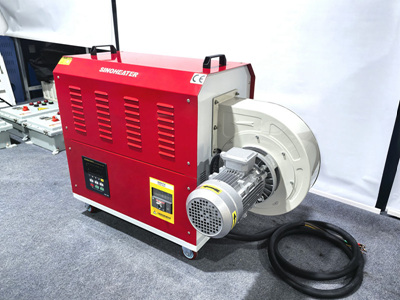
Efficient Moisture Removal: How Heat Blowers Transform Damp Spaces into Dry Havens
Dealing with excess moisture is a common challenge in homes, workshops, and industrial settings. Whether it’s a musty basement, a humid workshop, or a water-damaged area, moisture can lead to mold growth, structural damage, and an uncomfortable environment. One effective solution is using a heat blower—a device designed to accelerate drying by combining heat and airflow. Let’s explore how heat blowers work, their benefits, and practical applications for moisture removal.
The Mechanics of Heat Blowers in Moisture Control
Combining Heat and Airflow for Rapid Drying
Heat blowers operate on a simple yet powerful principle: they generate warm air and circulate it forcefully across a surface or through an enclosed space. The heat raises the temperature of the surrounding air, increasing its capacity to hold moisture. Simultaneously, the high-velocity airflow disrupts the boundary layer of stagnant air near surfaces, allowing moisture to evaporate more quickly. This dual action—warming the air and enhancing circulation—creates an environment where moisture evaporates faster than it can accumulate, making heat blowers highly effective for drying damp areas.
The intensity of the heat and airflow can often be adjusted, giving users control over the drying process. For delicate materials or surfaces that could warp under extreme heat, a lower temperature setting may be preferable. Conversely, for stubborn moisture in thick materials like concrete or wood, higher heat and stronger airflow can speed up the process significantly. This flexibility makes heat blowers suitable for a wide range of applications, from drying carpets after a spill to preparing construction sites for finishing work.
Energy Efficiency and Cost-Effectiveness
One of the standout advantages of heat blowers is their energy efficiency. Unlike traditional dehumidifiers, which rely on refrigeration cycles to condense moisture from the air, heat blowers use electrical resistance heating to warm the air directly. This method requires less energy to produce the same drying effect, especially in larger spaces where multiple dehumidifiers might be needed. Additionally, heat blowers often have a faster startup time, allowing them to begin drying immediately without the need for a lengthy cooldown period between uses.
The cost-effectiveness of heat blowers extends beyond energy savings. Their simple design and durable construction mean fewer moving parts to maintain or replace, reducing long-term operating costs. For businesses or homeowners dealing with recurring moisture issues, investing in a heat blower can provide a reliable, low-maintenance solution that pays for itself over time through reduced repair bills and improved indoor air quality.
Practical Applications of Heat Blowers for Moisture Removal
Restoring Water-Damaged Areas
Water damage from leaks, floods, or spills can wreak havoc on buildings and belongings. Left untreated, excess moisture can lead to mold growth, wood rot, and structural instability. Heat blowers are invaluable tools for restoring water-damaged areas quickly and effectively. By directing warm, dry air at affected surfaces, they accelerate evaporation, preventing secondary damage caused by prolonged exposure to moisture.
In the aftermath of a flood, for example, heat blowers can be used to dry out carpets, walls, and flooring. Their portability allows them to be moved easily between rooms, ensuring comprehensive coverage. For larger commercial spaces, multiple heat blowers can be strategically placed to create a uniform drying environment, reducing the risk of uneven moisture distribution that could lead to future problems.
Enhancing Construction and Renovation Projects
Moisture control is a critical aspect of construction and renovation work. Whether it’s drying freshly poured concrete, preparing surfaces for painting, or ensuring subfloors are completely dry before installing flooring, moisture can delay projects and compromise quality. Heat blowers play a vital role in these scenarios by providing a controlled, efficient way to remove excess moisture.
For instance, when working with concrete, heat blowers can reduce curing time by accelerating the evaporation of water from the surface. This not only speeds up the construction timeline but also improves the strength and durability of the finished product. Similarly, in renovation projects where old plaster or wallpaper needs to be removed, heat blowers can soften adhesives and dry out underlying surfaces, making the removal process easier and less damaging to the structure.
Maintaining Optimal Conditions in Storage and Workshop Spaces
Storage areas and workshops often face challenges related to humidity, especially in regions with high rainfall or seasonal changes. Excess moisture in these spaces can damage tools, equipment, and stored items, leading to costly replacements and downtime. Heat blowers offer a proactive solution by maintaining optimal humidity levels throughout the year.
By running a heat blower periodically in storage rooms or workshops, users can prevent the buildup of moisture that could lead to rust on metal tools, warping of wooden furniture, or degradation of electronic components. The adjustable settings allow for customized drying based on the specific needs of the space, ensuring that moisture is removed without overheating sensitive items. This proactive approach to moisture control helps extend the lifespan of valuable assets and creates a safer, more productive work environment.
Key Considerations When Using Heat Blowers for Moisture Removal
Safety Precautions and Proper Ventilation
While heat blowers are generally safe to use, it’s essential to follow basic safety guidelines to avoid accidents or damage. One of the most important considerations is ventilation. Heat blowers generate warm air, and in enclosed spaces, this can lead to a buildup of heat and humidity if not properly ventilated. Ensure that the area being dried has adequate airflow, either through natural ventilation (opening windows or doors) or mechanical ventilation (using fans or exhaust systems).
Additionally, keep heat blowers away from flammable materials, as the high temperatures they produce could pose a fire hazard. Never leave a heat blower unattended while it’s running, and always unplug it when not in use. If working in a confined space, consider using a carbon monoxide detector to monitor air quality, especially if the heat blower is powered by combustion engines (though most modern models are electric).
Matching the Heat Blower to the Task
Not all heat blowers are created equal, and choosing the right model for your specific needs is crucial for optimal performance. Consider factors such as the size of the area to be dried, the type of materials involved, and the desired drying time. For small spaces or delicate materials, a compact heat blower with adjustable temperature settings may be sufficient. Larger areas or thick, moisture-retentive materials like concrete may require a more powerful model with higher airflow and heat output.
It’s also worth noting that some heat blowers are designed for continuous operation, while others are better suited for intermittent use. If you anticipate needing to run the heat blower for extended periods, look for a model with a durable motor and overheat protection features to ensure safe, reliable performance.
Monitoring Progress and Adjusting Settings as Needed
Effective moisture removal with a heat blower requires ongoing monitoring and adjustment. Use a moisture meter or hygrometer to track humidity levels in the area being dried, and adjust the heat blower’s settings accordingly. If moisture levels are not decreasing as expected, you may need to increase the temperature or airflow, or reposition the heat blower to target specific areas.
Conversely, if the area is drying too quickly or becoming overly warm, reduce the heat output or airflow to prevent damage to surfaces or materials. Regular checks ensure that the drying process stays on track and that moisture is removed efficiently without causing unintended consequences.
By understanding how heat blowers work, their practical applications, and key considerations for safe and effective use, you can harness their power to transform damp, problematic spaces into dry, comfortable environments. Whether you’re dealing with water damage, managing a construction project, or maintaining a workshop, a heat blower is a versatile tool that delivers reliable results.