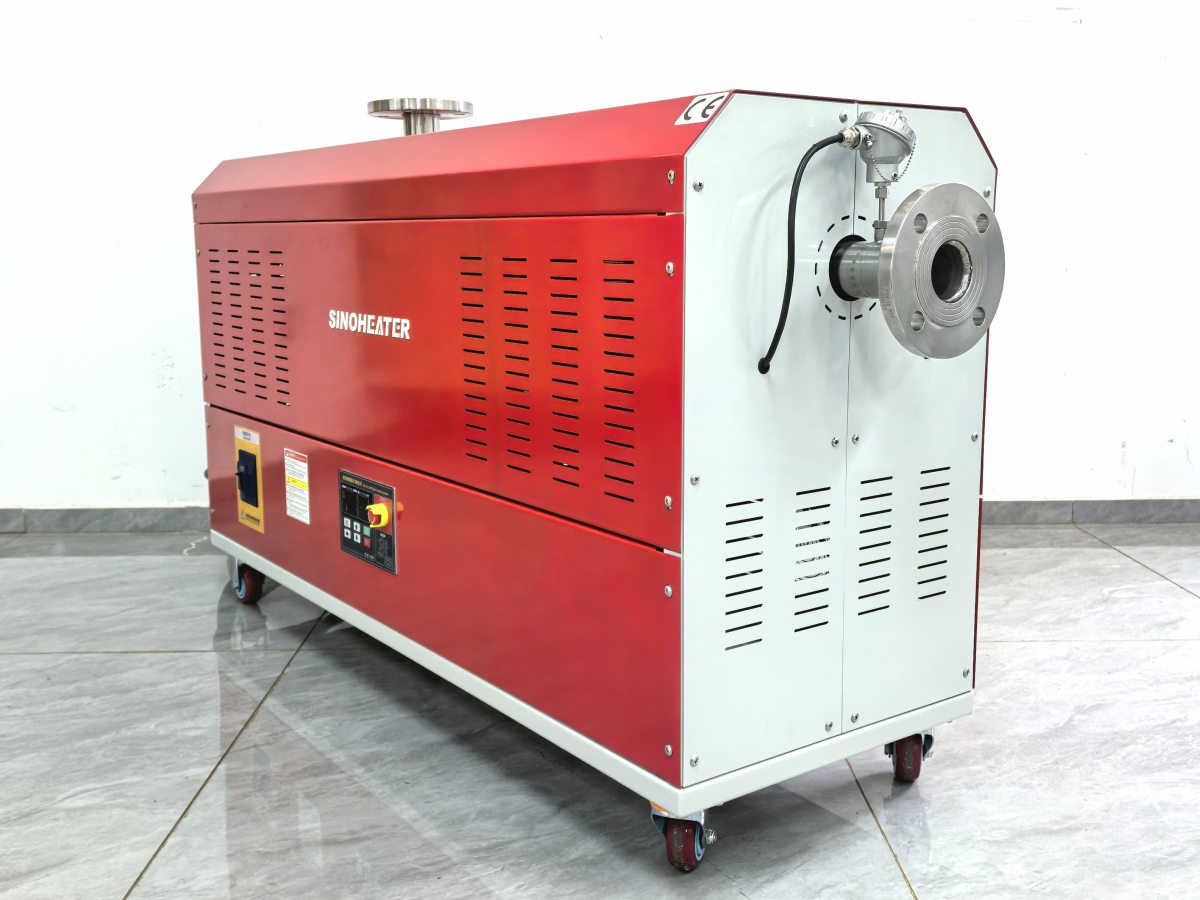
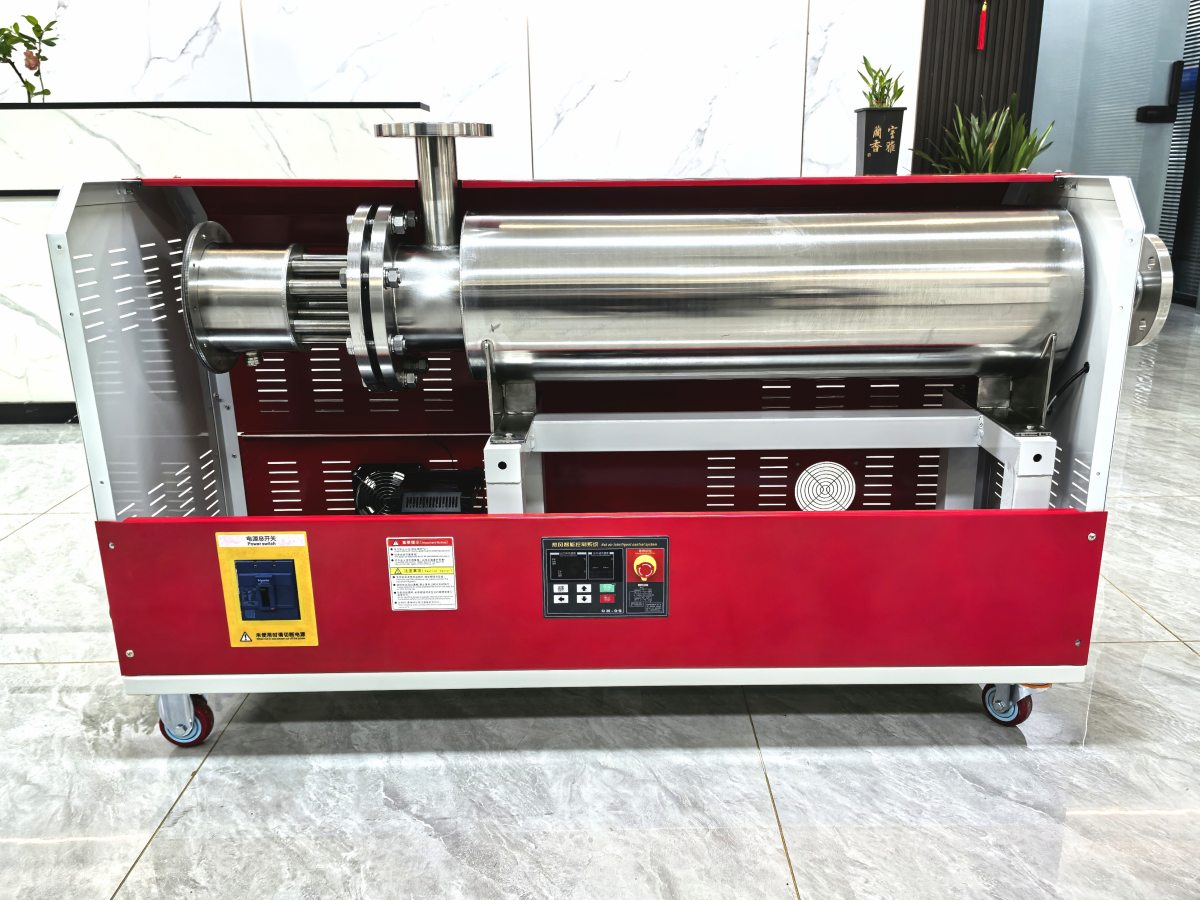
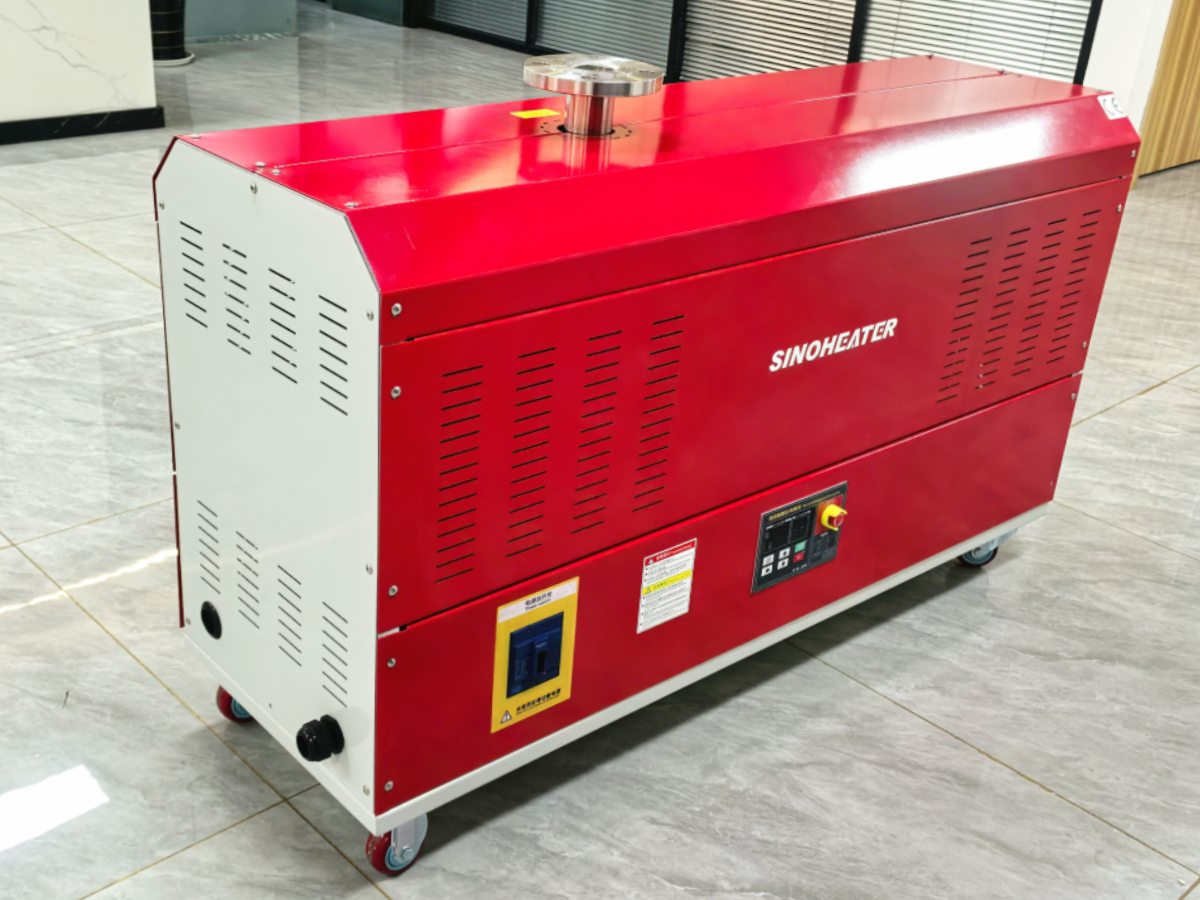
Split-Type Hot Air Blowers: Flexible Heating with Separated Main Units and Air Outlets
For spaces requiring customized heating layouts or where traditional integrated units aren’t practical, split-type hot air blowers offer a versatile solution. By separating the heating main unit from the air outlet, these systems provide flexibility in installation, improved safety, and efficient heat distribution. Below, we explore the design advantages, common applications, and installation considerations for split-type configurations.
Design Benefits of Separated Components
The core innovation of split-type hot air blowers lies in their ability to decouple heat generation from air delivery, enabling tailored solutions for complex environments.
Space Optimization and Installation Flexibility
Separating the main unit and outlet allows placement of the heating source in a less obtrusive or more accessible location, such as a utility room or rooftop, while directing warm air to occupied zones. This is particularly useful in compact spaces like retail stores or offices where floor space is limited. For example, a main unit installed in a backroom can distribute heat through ceiling-mounted outlets, keeping display areas uncluttered.
Enhanced Safety in Hazardous Environments
In industrial settings with flammable materials or high humidity, positioning the main unit away from the outlet reduces fire risks and exposure to moisture. The heating element can be housed in a ventilated, fire-resistant enclosure, while insulated ducts carry heated air to the target area. This setup is common in chemical plants or food processing facilities, where sparks or overheating near production lines could be catastrophic.
Reduced Noise in Occupied Areas
Heating main units often generate noise from fans or combustion processes. By isolating the outlet, split-type systems keep loud components away from workstations, living areas, or customer zones. A restaurant might place the main unit in a basement or outdoor patio, channeling quiet, warm air through grilles above dining tables.
Applications Leveraging Split-Type Heating
The adaptability of split-type hot air blowers makes them ideal for environments with unique spatial or operational challenges. Here are three sectors where these systems shine.
Large Commercial Venues
Shopping malls, exhibition halls, and airports require heating solutions that cover vast areas without obstructing foot traffic or architectural aesthetics. Split-type systems use long duct runs to distribute heat evenly across multiple floors or zones. For instance, a mall might install main units on each level’s mechanical room, with outlets positioned near entrances to counteract cold drafts during winter.
Multi-Unit Residential Buildings
Apartment complexes or dormitories often need centralized heating that respects individual unit boundaries. Split-type blowers allow landlords to place main units in communal areas like basements or rooftops, with outlets directed into each apartment via shared ductwork. This approach reduces per-unit installation costs while maintaining tenant control over room temperature through adjustable vents.
Healthcare and Laboratory Facilities
Hospitals, clinics, and research labs demand precise temperature control and sterile environments. Split-type systems minimize contamination risks by housing heating components in dedicated mechanical spaces, away from patient rooms or lab areas. Heated air travels through smooth, easy-to-clean ducts, reducing dust or pathogen accumulation. Additionally, these systems can integrate with HVAC filters to maintain air quality standards.
Key Considerations for Split-Type Installation
To ensure optimal performance, users must address challenges related to duct design, power supply, and maintenance access during installation.
Duct Sizing and Insulation
Properly sized ducts prevent pressure drops that reduce airflow efficiency. Oversized ducts waste space and materials, while undersized ones create backpressure, straining the blower motor. Insulation is equally critical—uninsulated ducts in unconditioned spaces like attics or crawl spaces lose heat, forcing the system to work harder. Fiberglass or foam insulation with vapor barriers helps maintain air temperature and prevents condensation.
Power and Control Wiring Separation
The main unit and outlet may require separate power sources, especially in large installations. Electrical codes often mandate dedicated circuits for heating equipment to prevent overloads. Control wiring for thermostats or sensors should run independently of high-voltage power lines to avoid interference. Using conduit or cable trays keeps wires organized and protected from physical damage.
Accessibility for Maintenance
Regular cleaning of filters, inspection of duct joints, and servicing of the heating element are essential for longevity. Design installations with access panels or removable duct sections near the main unit and outlets. For example, a main unit installed above a drop ceiling should have a removable panel for filter changes without needing a ladder. Similarly, outlets in high-traffic areas might include hinged grilles for quick dusting.
Advanced Features for Split-Type Efficiency
Modern split-type hot air blowers incorporate technologies to improve energy use, air quality, and user convenience.
Variable Air Volume (VAV) Systems
VAV controls adjust airflow based on heating demand, rather than running at full capacity constantly. In a multi-zone installation like an office building, sensors detect occupancy or temperature changes in each area, modulating outlet dampers to deliver precise heat levels. This reduces energy waste by avoiding overheating unoccupied rooms while maintaining comfort elsewhere.
Smart Thermostats and Remote Monitoring
IoT-enabled thermostats allow users to program heating schedules, set zone-specific temperatures, and monitor energy usage via smartphone apps. Facility managers can receive alerts for filter changes, duct leaks, or abnormal temperature fluctuations, enabling proactive maintenance. Some systems even integrate with building automation platforms for centralized control of lighting, HVAC, and security.
Energy Recovery Ventilation (ERV) Integration
In climates with extreme temperature variations, ERV systems capture waste heat from exhaust air and use it to preheat incoming fresh air. When paired with split-type blowers, ERVs reduce the load on the heating element, lowering energy consumption. This is particularly beneficial in commercial kitchens or industrial plants where large volumes of air are exchanged daily.
Split-type hot air blowers redefine heating flexibility by separating heat generation from air delivery. Whether optimizing space in commercial venues, ensuring safety in industrial settings, or maintaining sterility in healthcare facilities, their modular design adapts to diverse needs. By addressing ductwork, power, and maintenance challenges during installation and leveraging advanced technologies, these systems deliver efficient, reliable warmth for years to come.